We offer a wide collection of free, high-quality printable coloring pages for kids and adults. From cute animals to intricate mandalas, our designs bring creativity and relaxation to everyone. Download, print, and start coloring today!
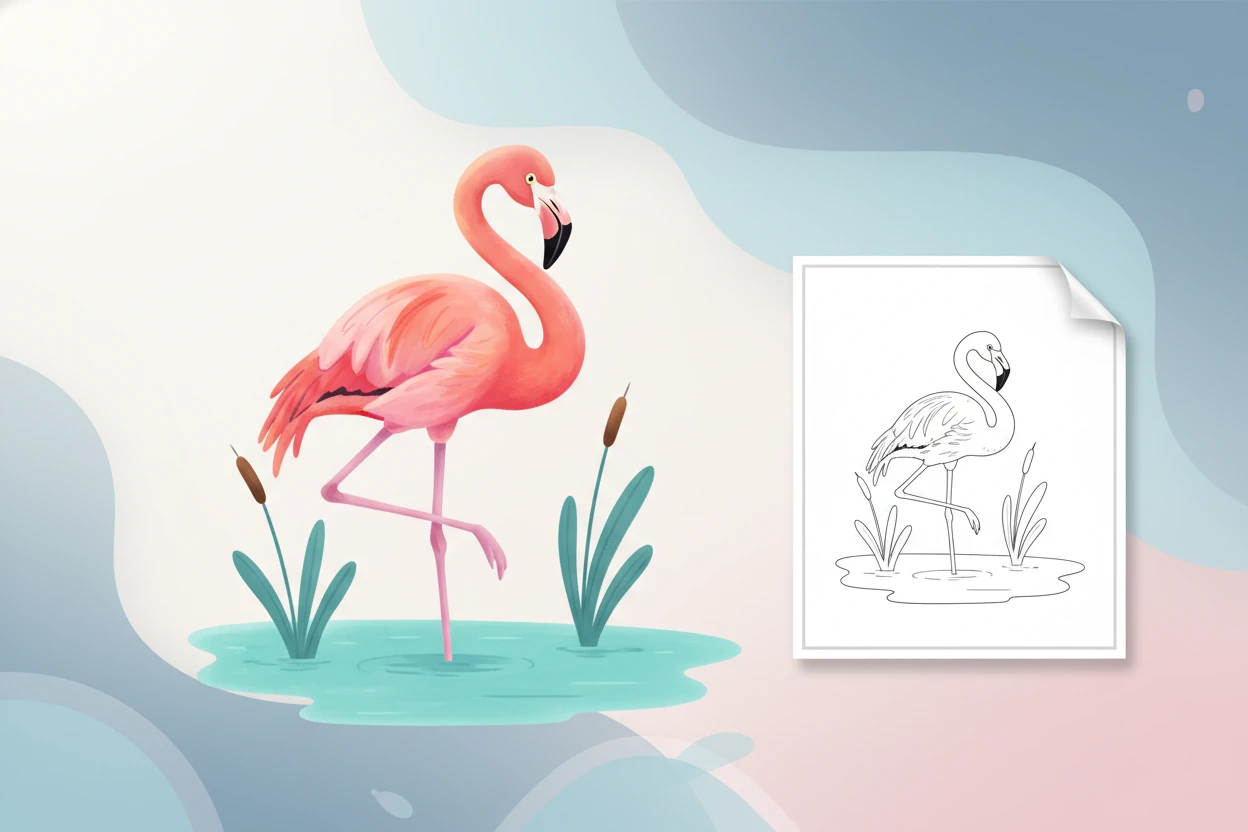
Exploring the vibrant world of wildlife has never been more colorful with our collection of 20 zoo animals coloring pages. These free printable coloring pages are perfect for animal lovers of all ages, offering a delightful way to engage with diverse creatures from across the globe. Whether you’re a preschooler learning the English alphabet with animals or an experienced artist seeking detailed simple objects coloring book designs, this collection provides endless creative possibilities.
Using a mixed media approach can truly bring these zoo animals coloring pages to life. For the intricate patterns of a zebra or the textured fur of a lion, colored pencils allow for fine detail and layering. Crayons are fantastic for broad strokes and bold colors, especially for younger artists, while markers provide vivid, solid hues perfect for creating dynamic backgrounds or accentuating specific features on these free printable coloring pages. Experimenting with different tools can add depth and unique artistic flair to each design.
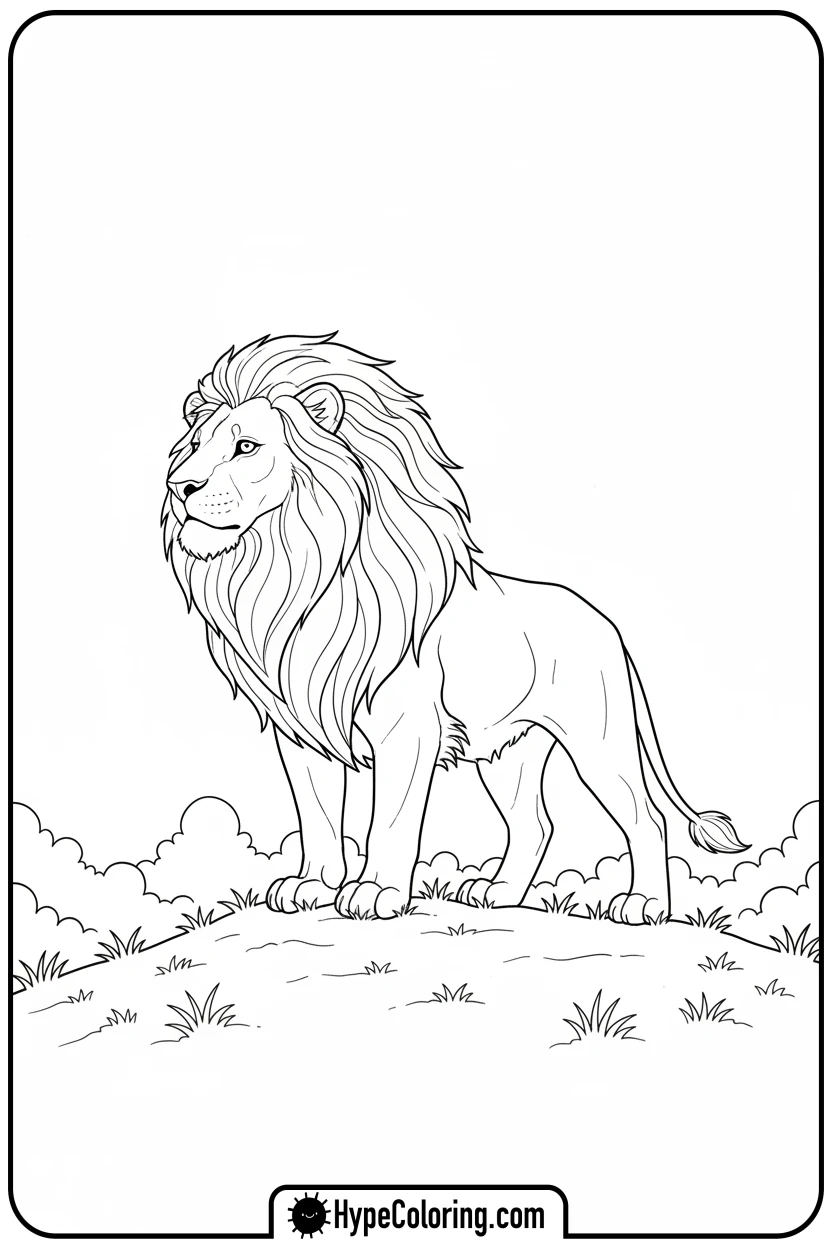
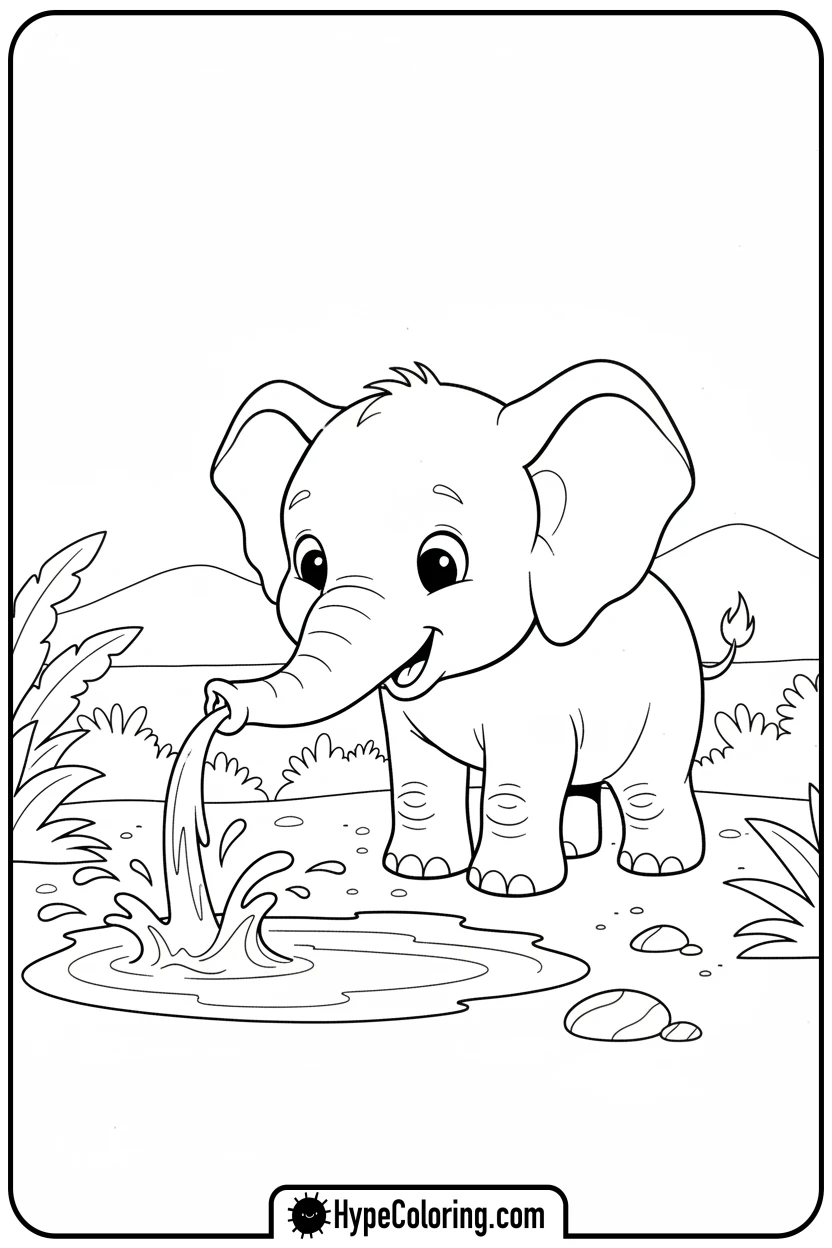
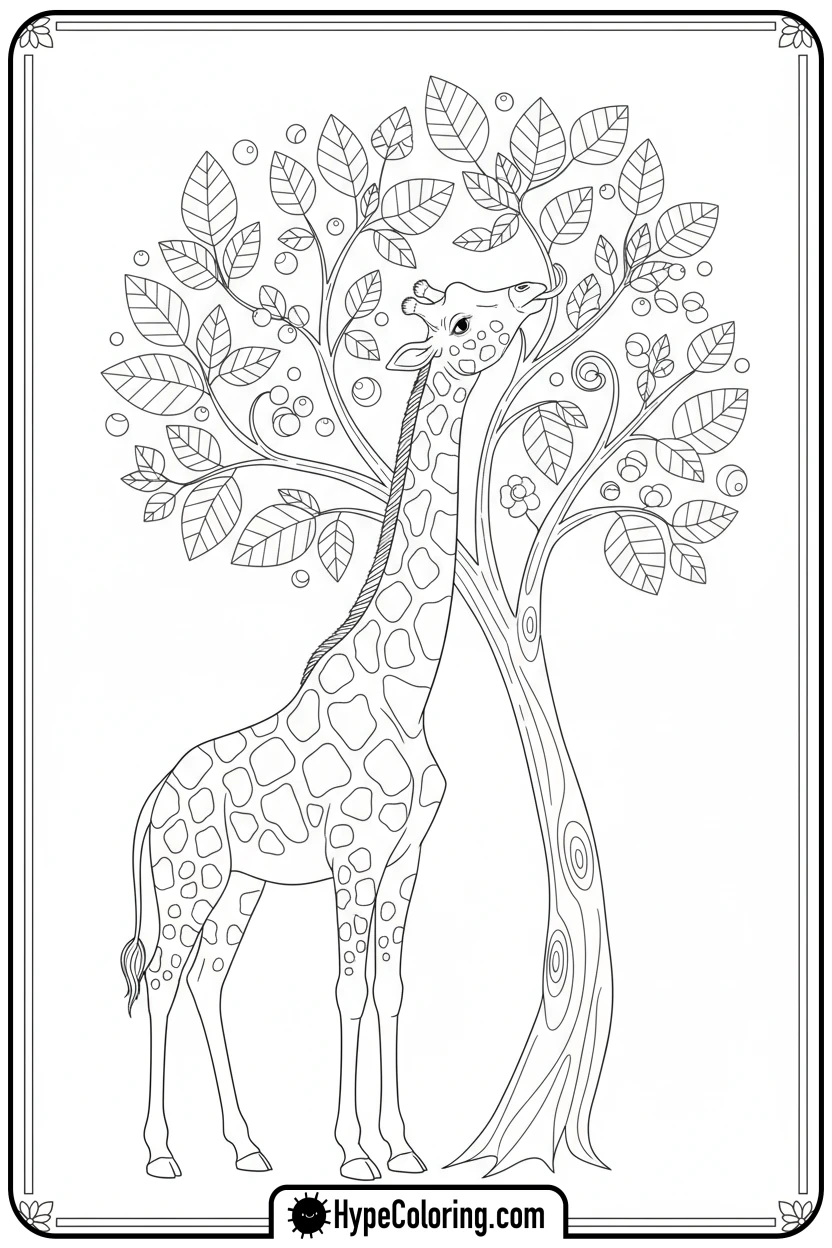
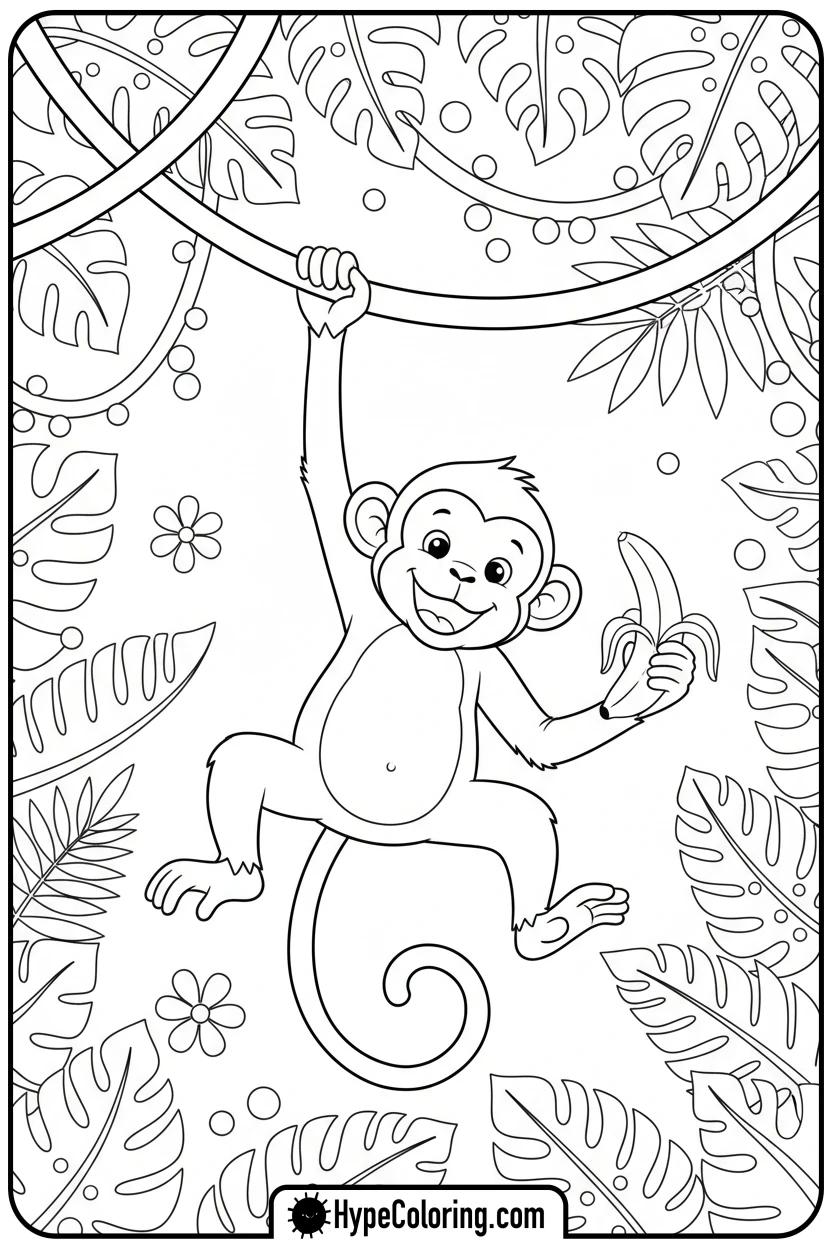
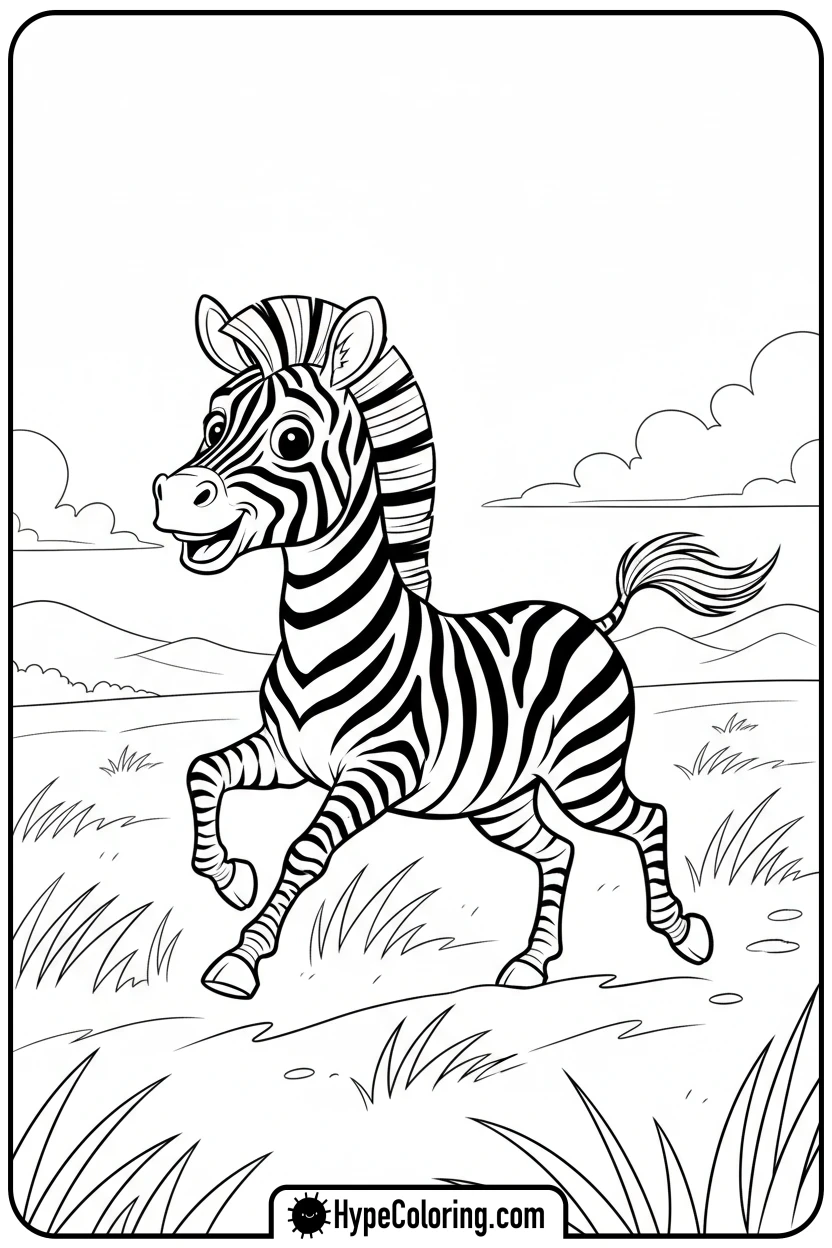
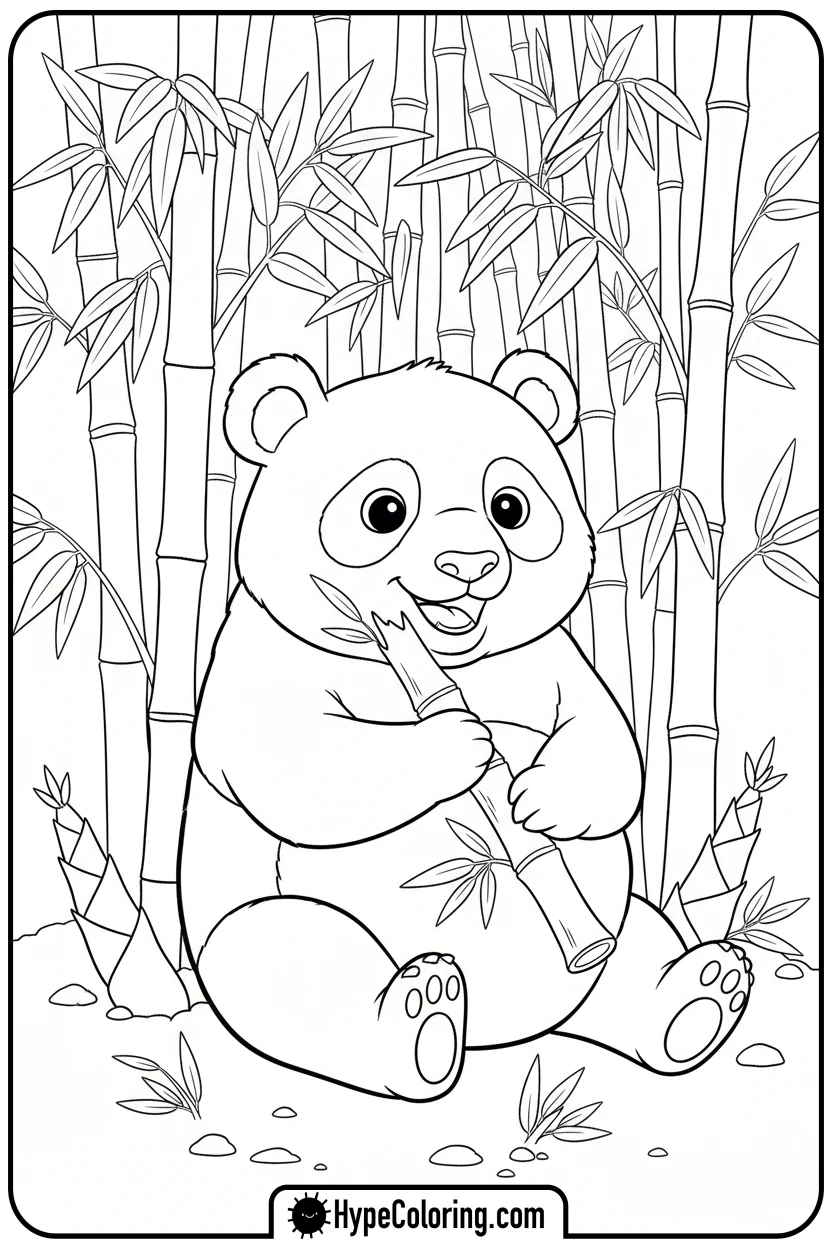
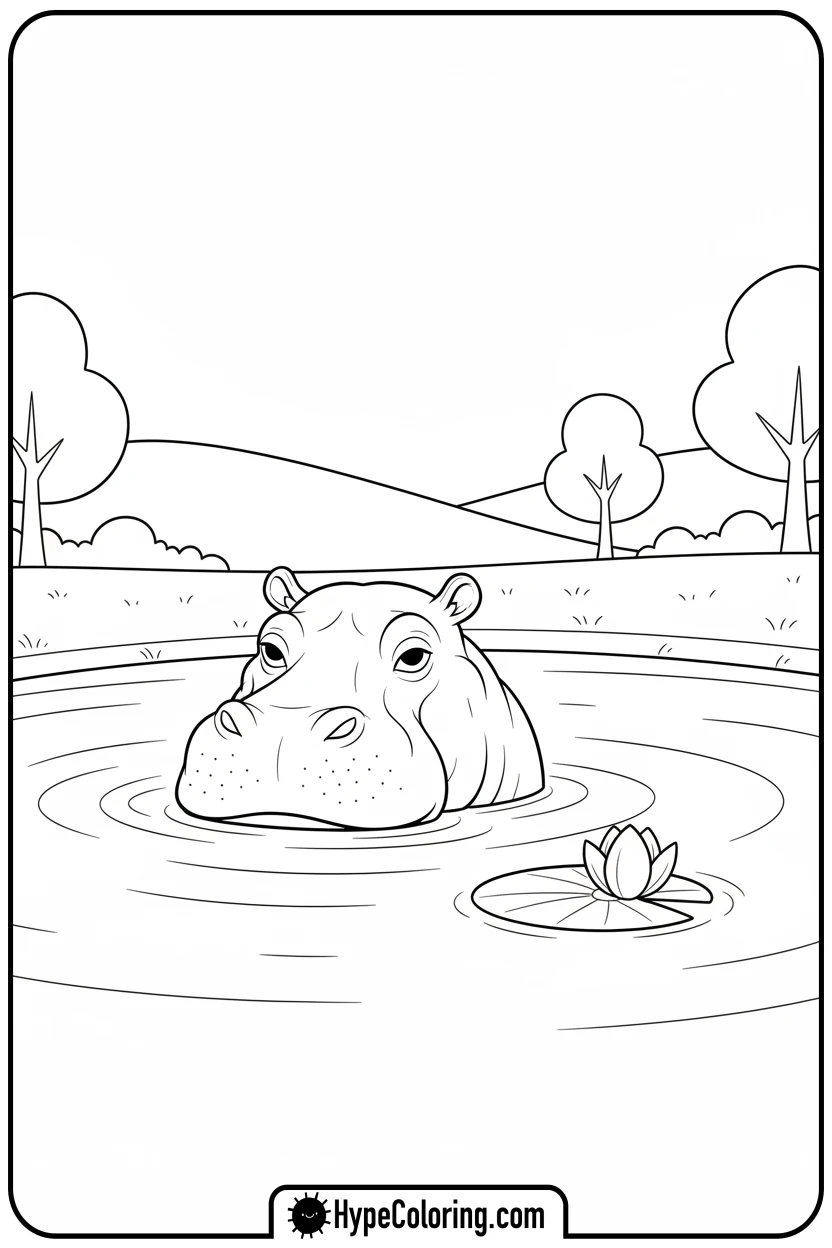
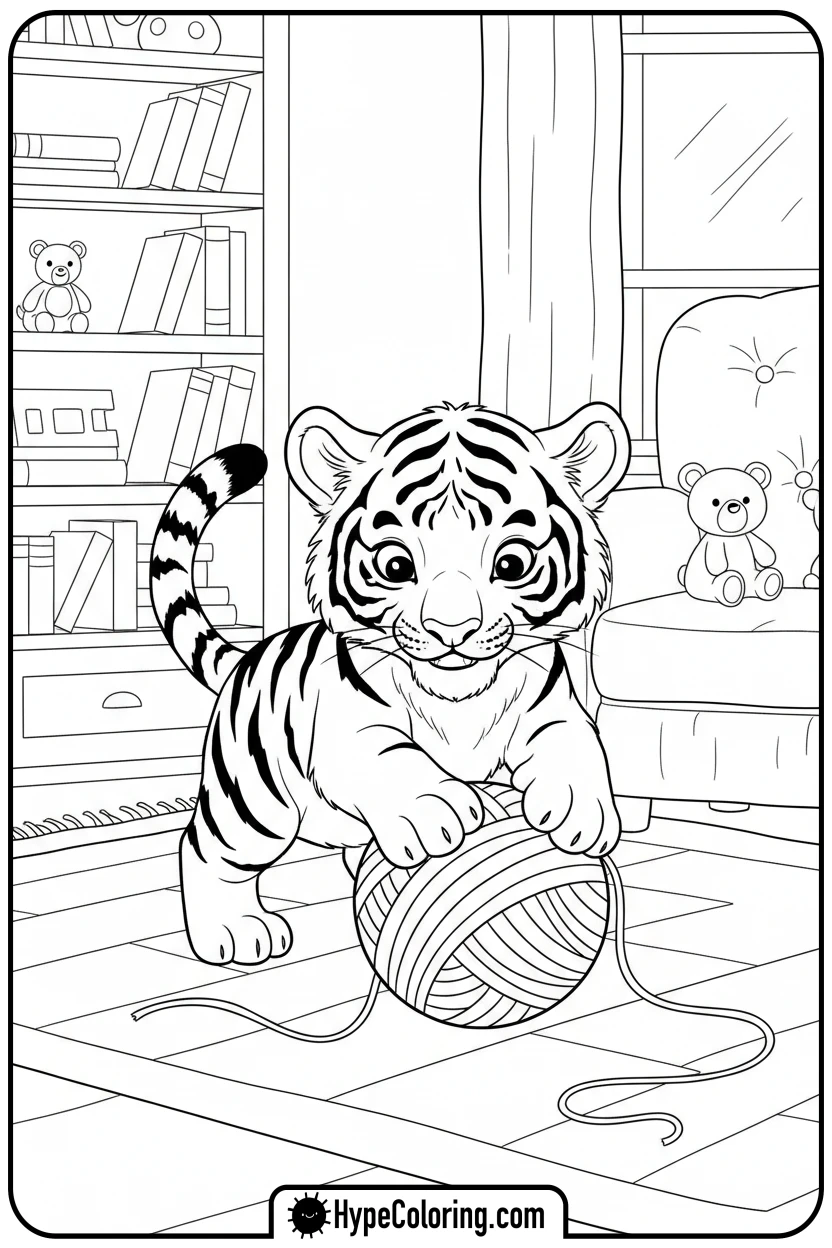
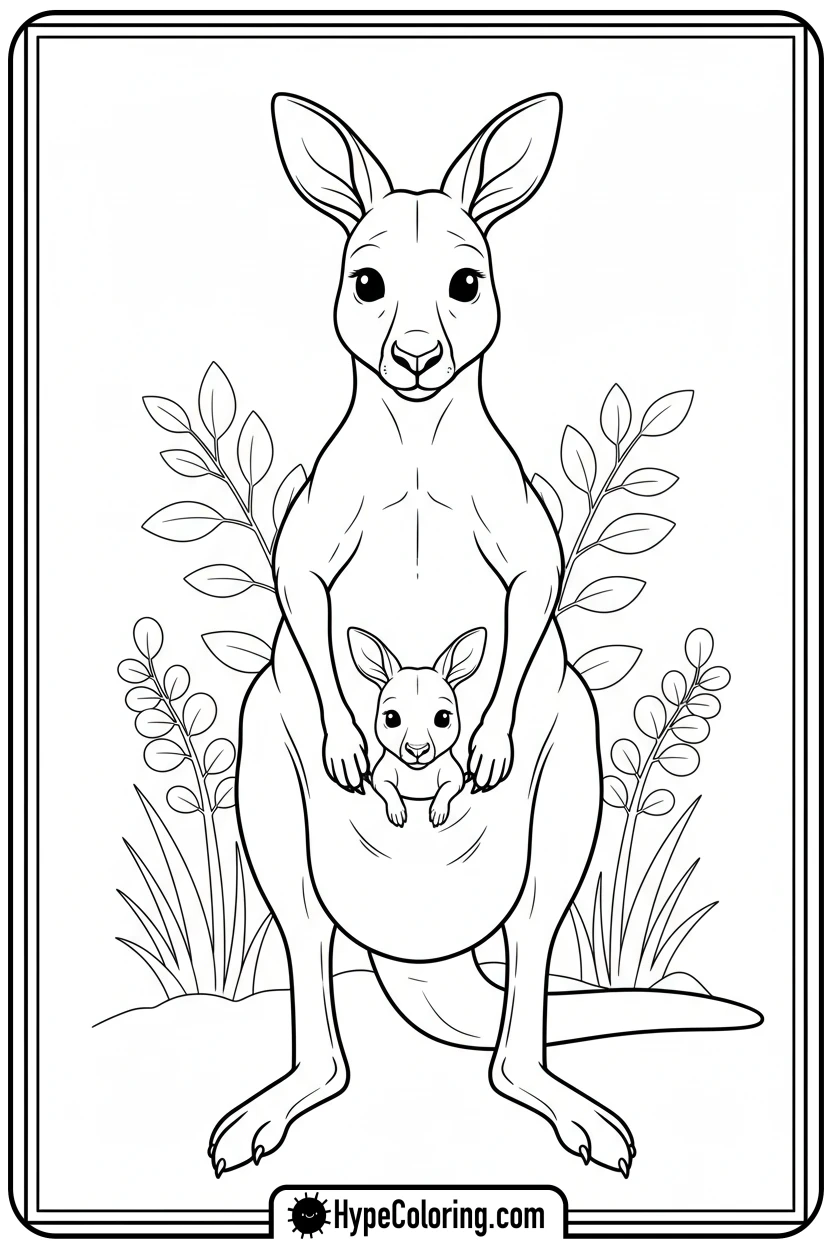
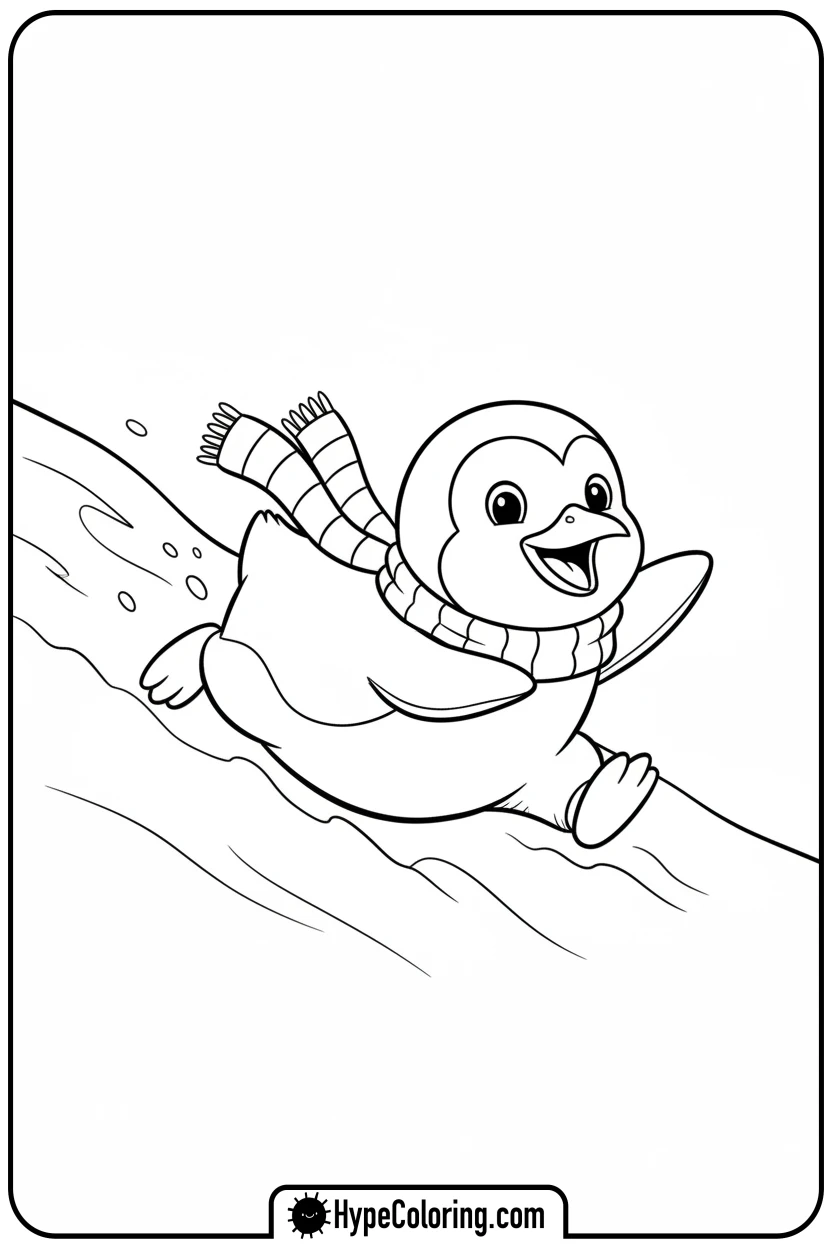
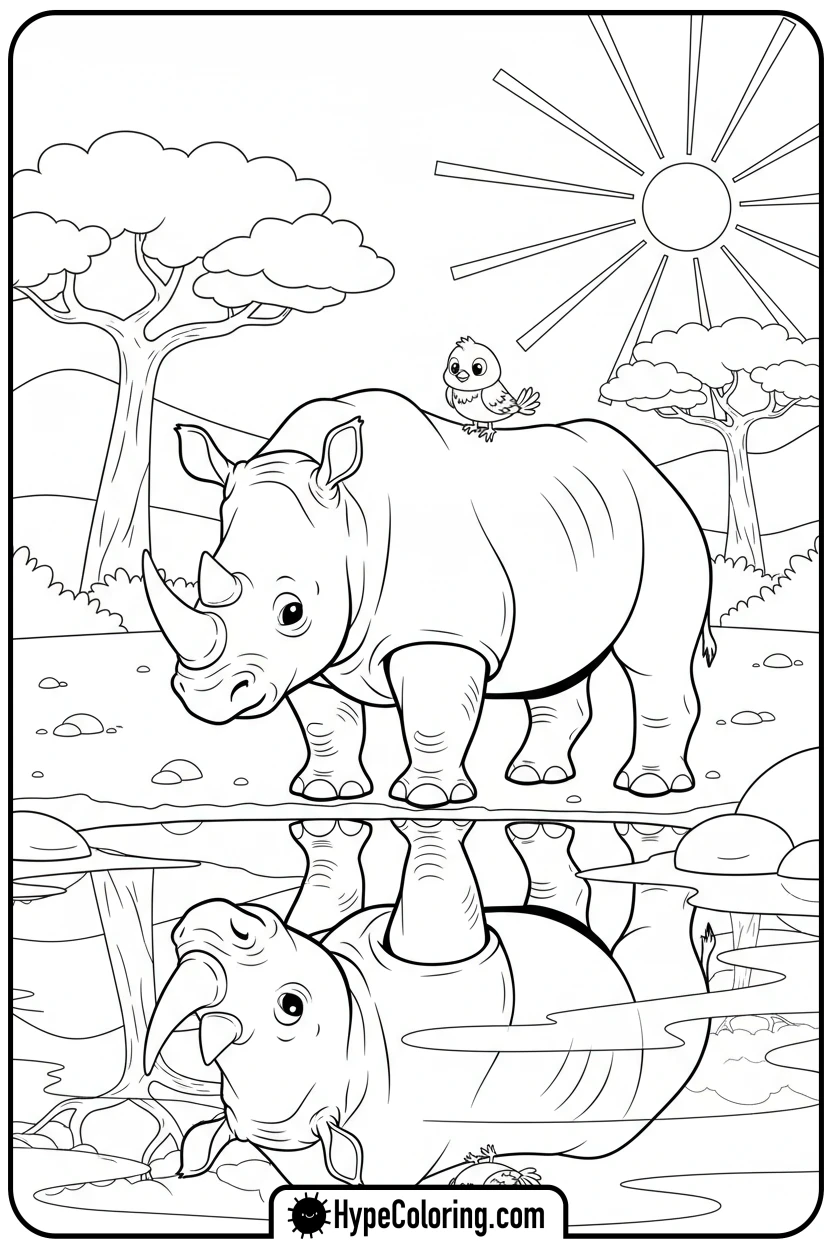
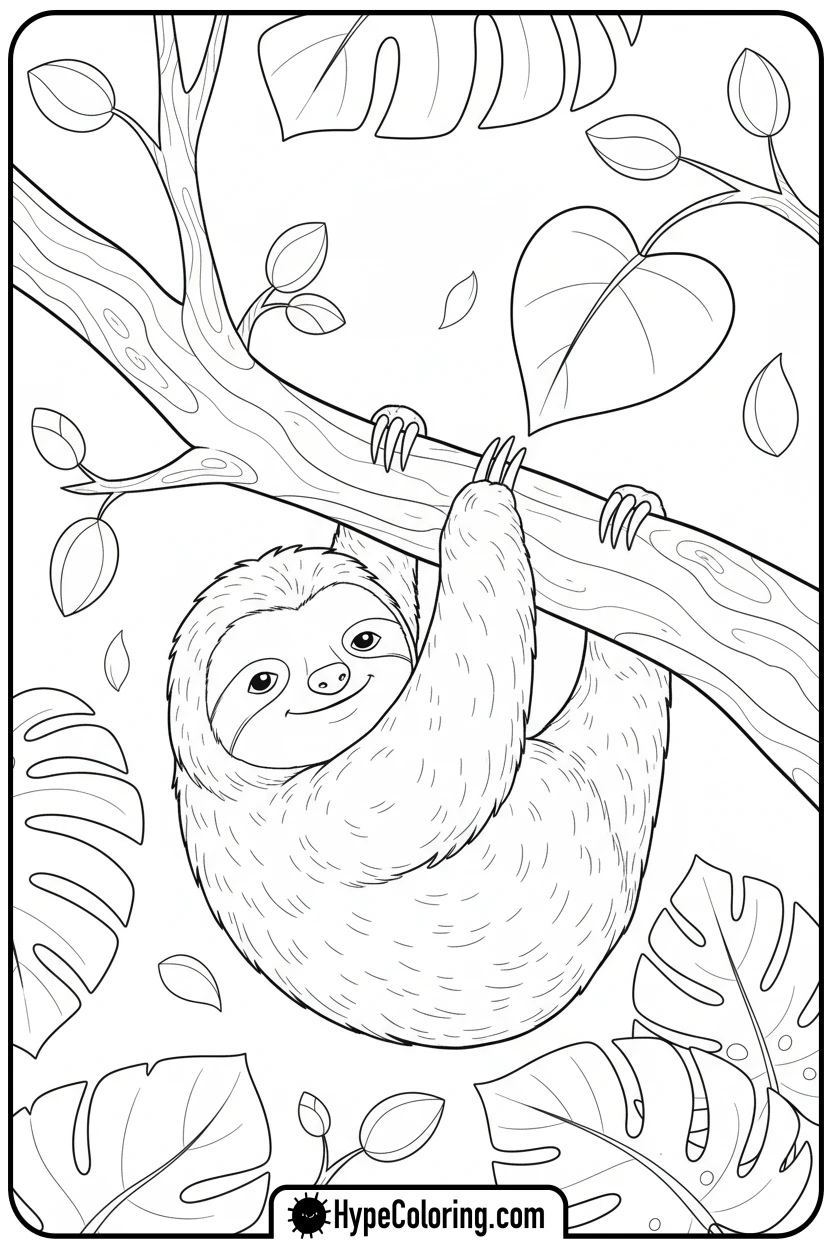
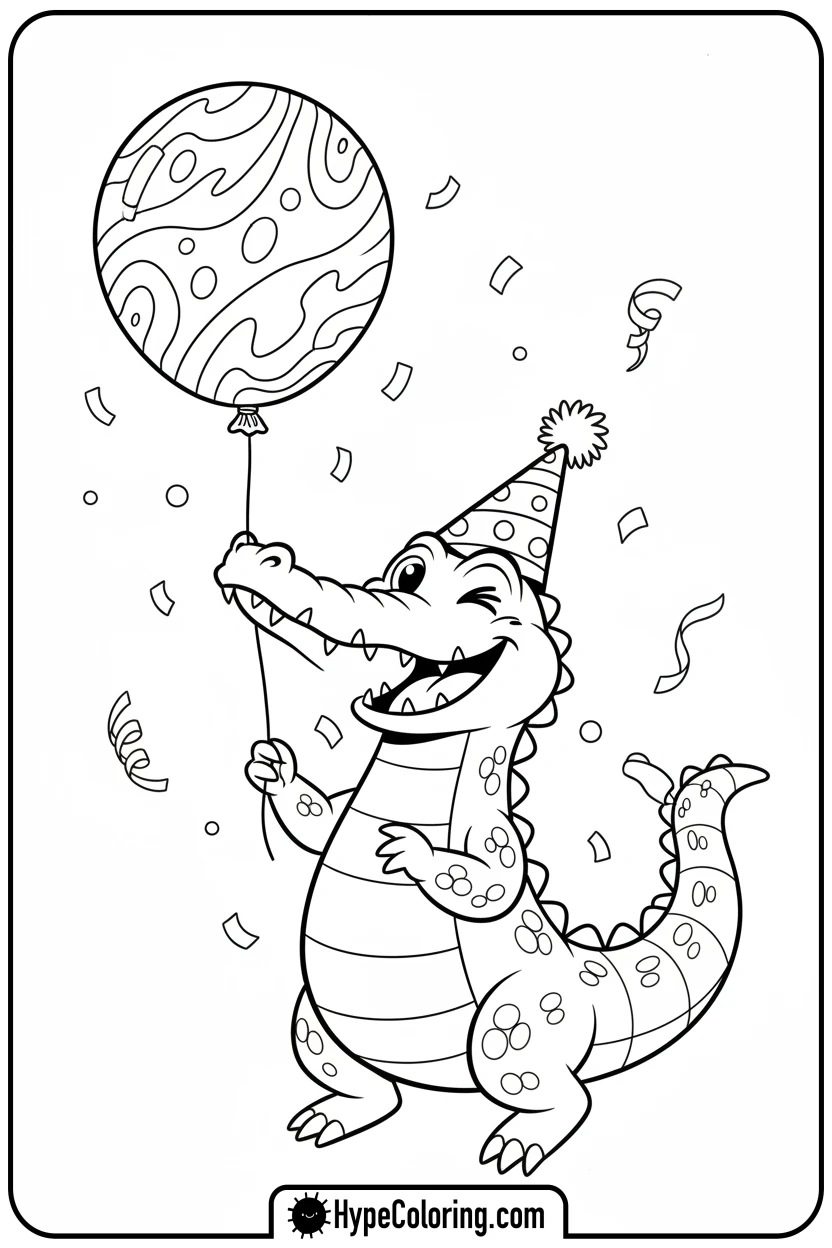
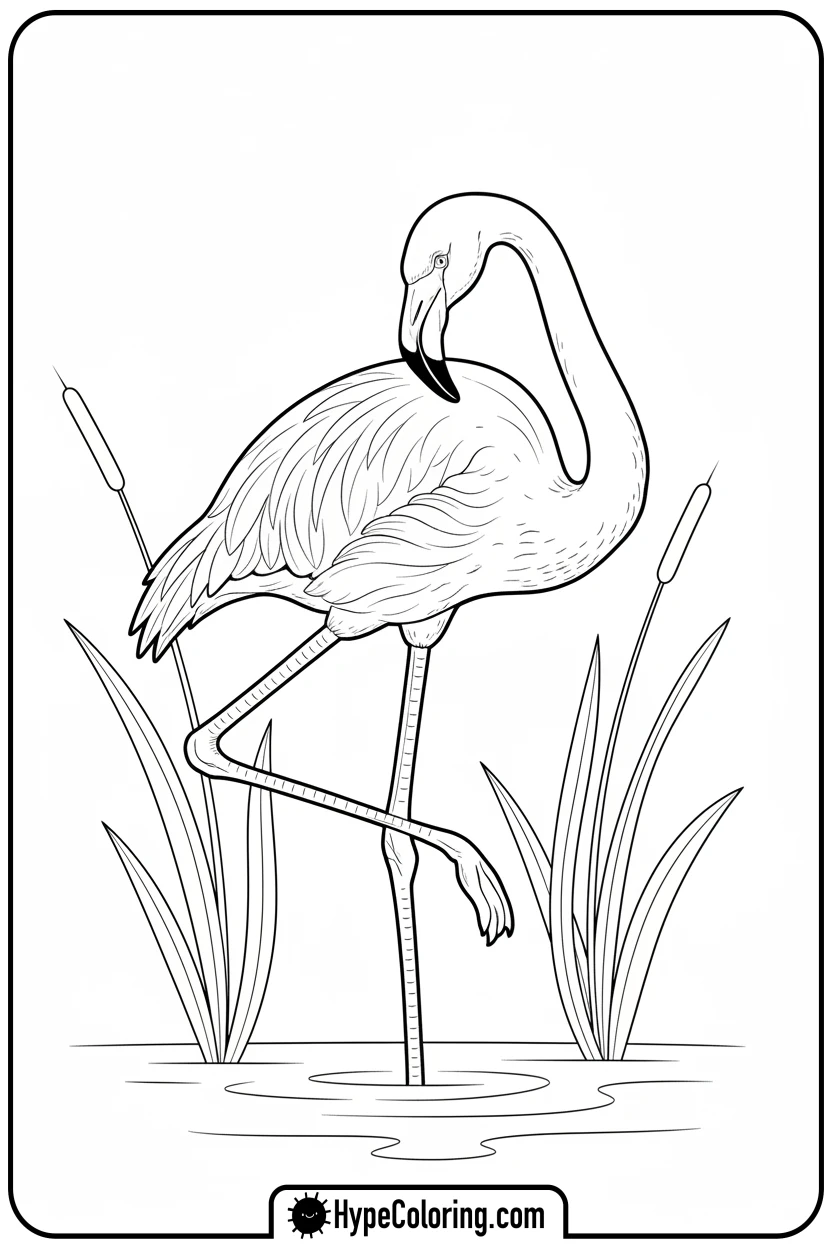
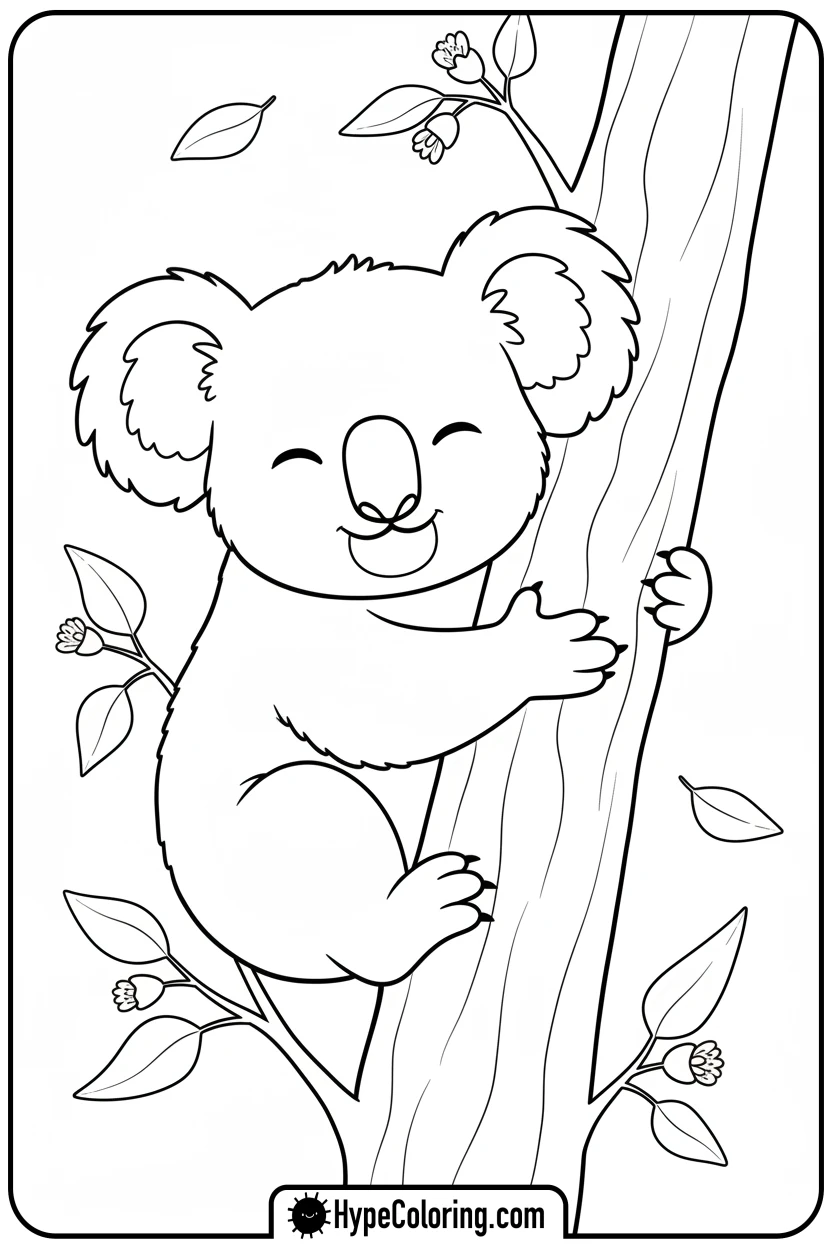
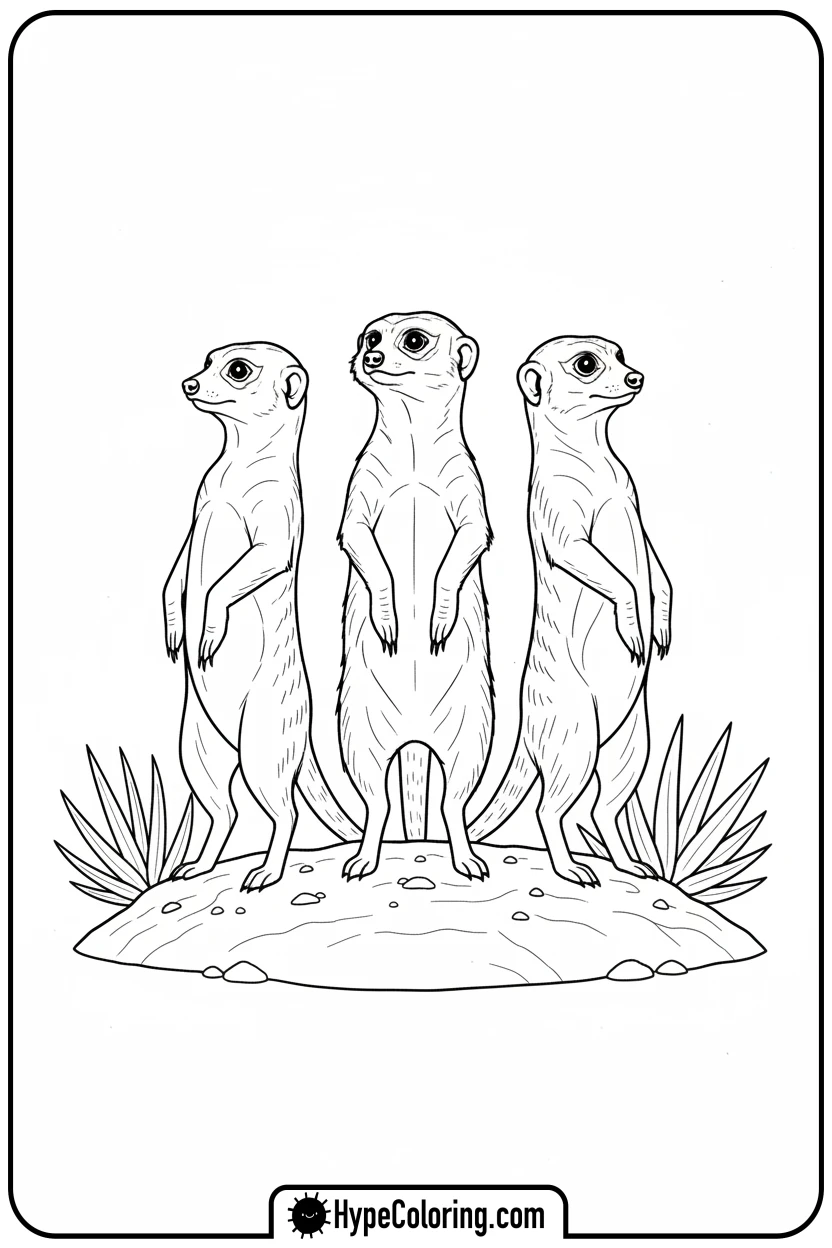
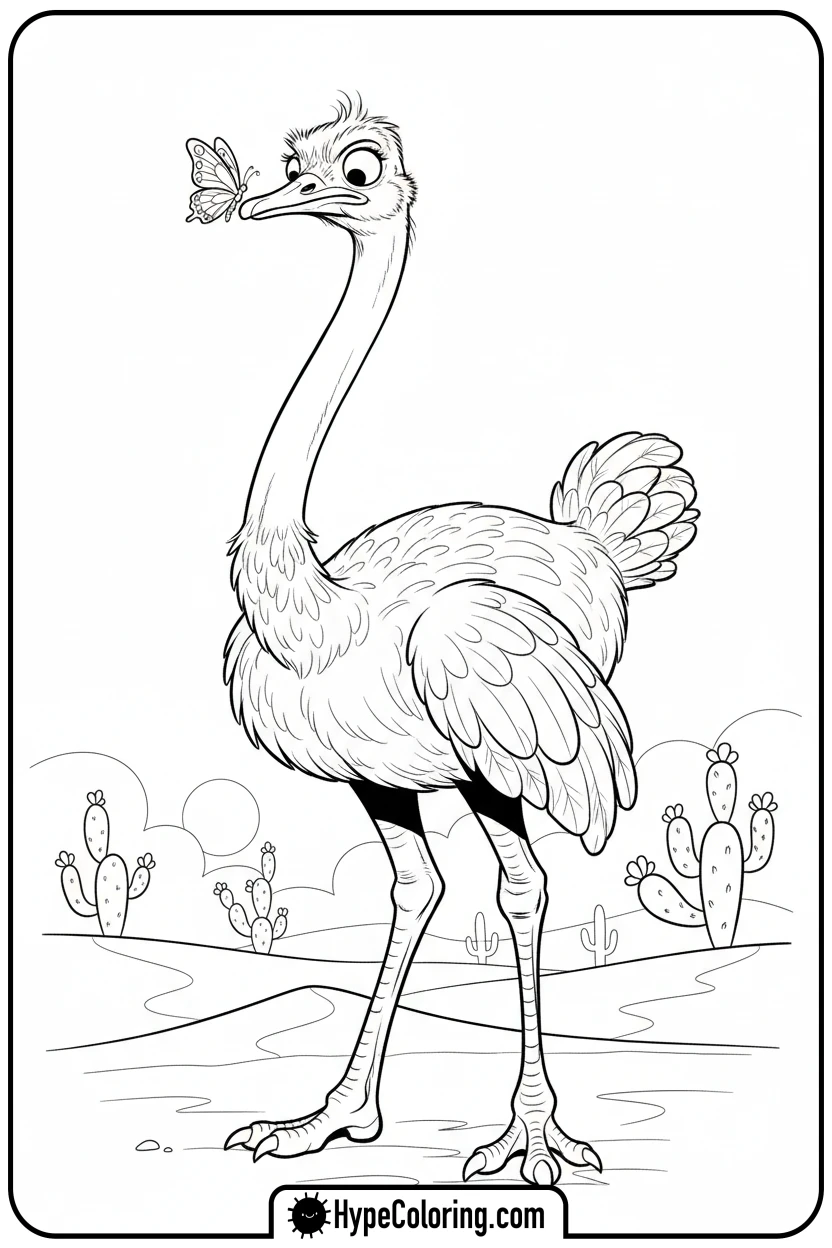
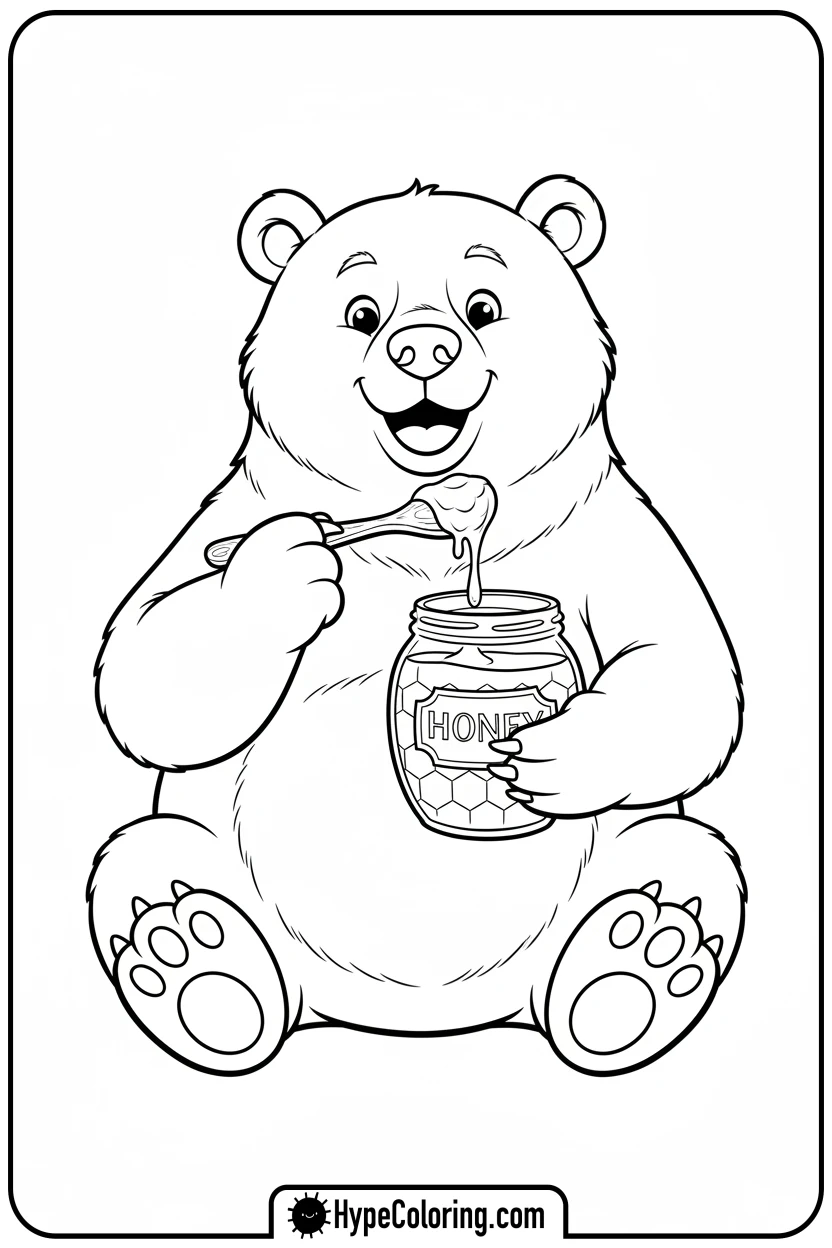
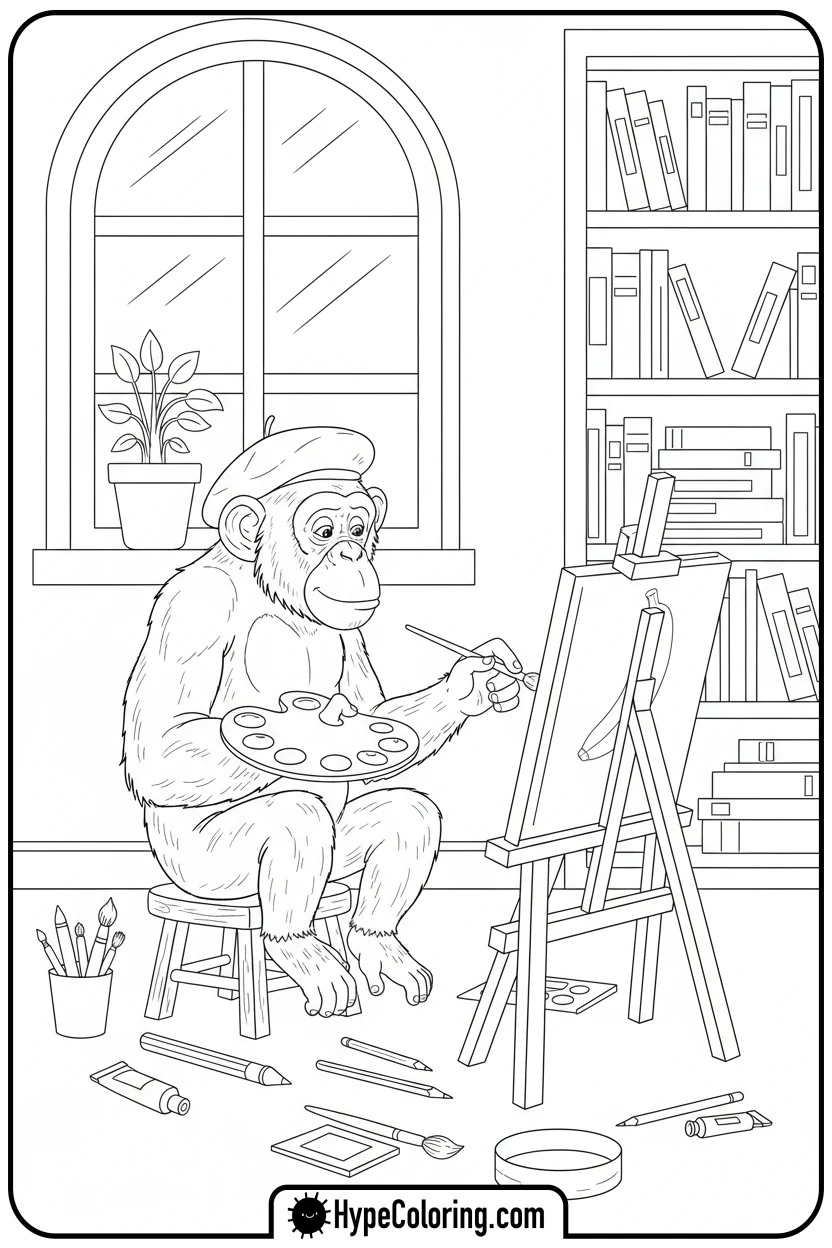
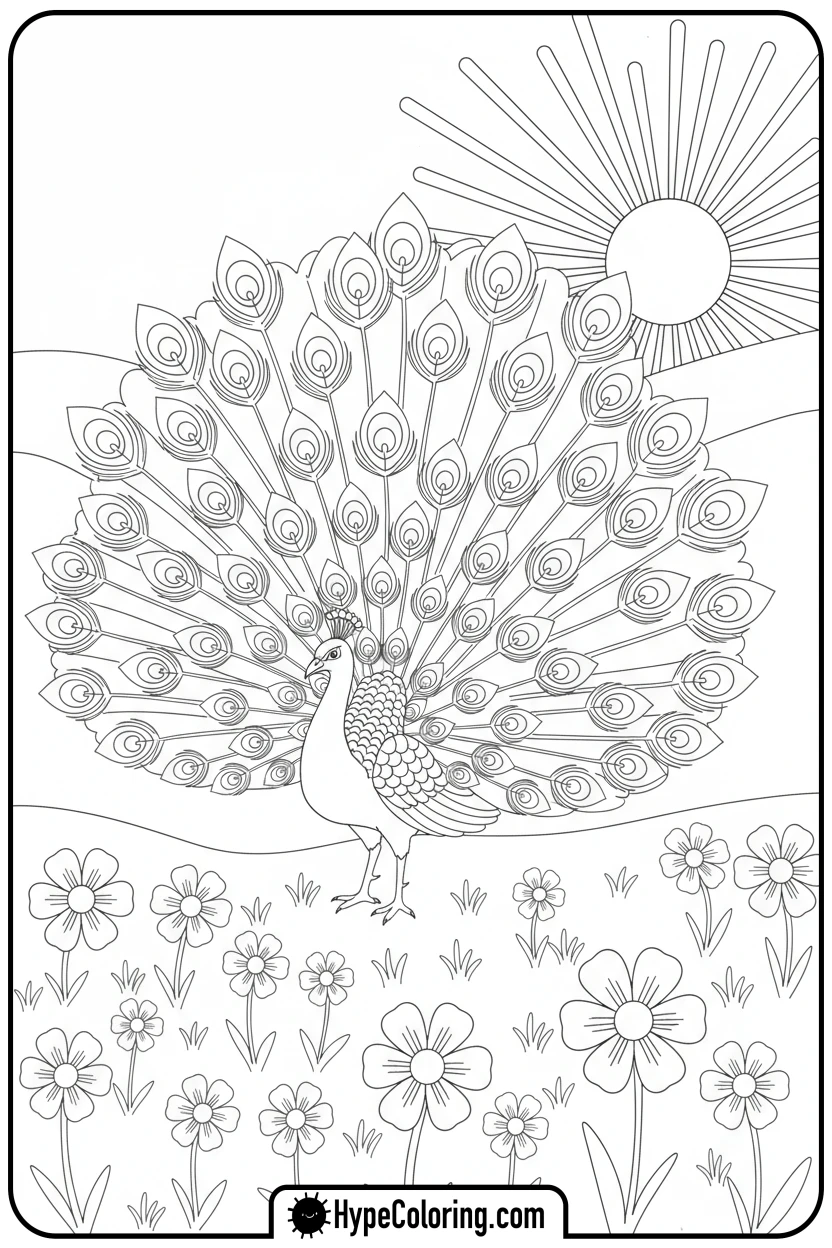
Table of Contents
African Savanna & Grassland Animals
The vast savannas of Africa are home to some of the most iconic creatures, known for their strength, speed, and unique adaptations. Our zoo animals coloring pages feature several majestic inhabitants of this incredible ecosystem, offering a glimpse into their daily lives.
Majestic Lion
Lions are known as the “kings of the jungle,” though they primarily inhabit grasslands and savannas. A male lion’s magnificent mane signals his health and dominance, and its color can vary from blonde to reddish-brown or black, often darkening with age. Learn more about lions and their habitats on the National Geographic Kids website.
For coloring a lion, aim for a base of golden yellow or light tan for the body, transitioning to darker browns and golds for the mane. With colored pencils, use short, feathery strokes in varying shades of
brown and gold to create the illusion of flowing hair, especially around the face and neck. These zoo animals coloring pages feature the majestic lion in design #1.
Playful Elephant & Gentle Giraffe
Elephants are the largest land animals, known for their intelligence, strong family bonds, and impressive trunks, which they use for breathing, smelling, touching, grasping, and producing sound. Giraffes, on the other hand, are the tallest mammals, using their long necks to reach high leaves that other animals cannot access. Their unique spot patterns are like human fingerprints – no two are exactly alike.
To color the baby elephant, use various shades of gray, from light silver-gray to a soft slate-gray, with touches of pink for the inside of its ears. For the giraffe, a base of pale yellow or cream is ideal, with irregular patches of warm brown or reddish-brown. When using markers, make sure to color in one direction to avoid streaks, especially on the large surface areas of the elephant’s skin and the giraffe’s long neck. You’ll find the playful baby elephant in design #2 and the tall giraffe in design #3 of these safari-themed printable coloring pages.
Striped Zebra & Strong Rhinoceros
Zebras are famous for their distinctive black and white stripes, which serve as a form of camouflage against predators, creating a dazzling effect when they move in a herd. Rhinoceroses, or rhinos, are large, herbivorous mammals distinguished by their massive bodies and one or two horns on their snouts, made of keratin, the same protein that makes up our hair and nails.
For the zebra, the key is crisp contrast between black and white. Use a fine-tipped black marker or a well-sharpened black colored pencil for the stripes, leaving the white areas untouched to create a stark, graphic effect. For the rhinoceros, focus on earthy grays and browns, using crayons to build up a textured, rugged skin appearance. These free printable coloring pages showcase the friendly zebra in design #5 and the strong rhinoceros in design #11.
Alert Meerkats & Surprised Ostrich
Meerkats are small, social mongooses that live in large underground networks, often standing upright to survey their surroundings for predators. Ostriches are the world’s largest birds, known for their incredible speed and powerful legs, though they cannot fly. Their feathers are typically black for males and dull gray or brown for females.
When coloring the meerkats, use shades of sandy brown, light tan, and cream for their fur, adding darker brown accents around their eyes and on their backs. For the ostrich, use a mix of gray and black for its feathers and a pale pinkish-beige for its long neck and legs. With colored pencils, apply gentle pressure to create soft transitions in the ostrich’s feathers, and use a small touch of bright yellow for the butterfly on its beak. You can spot the meerkats in design #16 and the tall ostrich in design #17 of these exciting zoo animals coloring pages.
Forest & Jungle Dwellers
From dense rainforests to temperate woodlands, these habitats teem with life, featuring animals with incredible agility, unique diets, and captivating behaviors. Our zoo animals coloring pages bring these intriguing creatures to your art space.
Mischievous Monkey & Cute Panda
Monkeys are known for their intelligence and dexterity, often found swinging through trees and foraging for fruits. Pandas are instantly recognizable by their black and white fur, and they spend most of their day eating bamboo. Despite their cuddly appearance, they are powerful bears.
For the mischievous monkey, use various shades of brown and tan for its fur, perhaps a lighter beige for its face and belly, and a bright yellow for the banana. For the panda,
the classic black and white contrast is crucial. Markers can provide crisp, solid black areas for the eyes, ears, and limbs, leaving the rest of the body a clean white. The monkey appears in design #4, and the cute panda is in design #6 of these free coloring designs.
Curious Tiger Cub & Gentle Sloth
Tiger cubs are playful and curious, growing into powerful predators with distinctive striped coats that help them camouflage in their forest environments. Sloths are famously slow-moving, spending most of their lives hanging upside down in trees, conserving energy with their specialized diet of leaves.
To color the tiger cub, use a base of warm orange or reddish-gold, then add bold black stripes with a fine-tipped marker or a sharp colored pencil. Ensure the stripes vary in thickness and direction to mimic a real tiger’s pattern. For the gentle sloth, use earthy tones
like moss green, various browns, and subtle grays for its fur, suggesting its arboreal, camouflaged existence. Use colored pencils to create a soft, textured fur effect. These zoo animals coloring pages feature the tiger cub in design #8 and the gentle sloth in design #12.
Sleepy Koala, Clever Chimpanzee & Friendly Brown Bear
Koalas are marsupials native to Australia, famous for their love of eucalyptus leaves and their sleepy demeanor, often napping for up to 18 hours a day. Chimpanzees are highly intelligent primates, known for their problem-solving skills and ability to use tools. Brown bears are large, powerful omnivores found across various northern hemisphere habitats, often seen foraging for berries, fish, and honey.
For the sleepy koala, use soft grays with a touch of white for its chest and ears, and a dark, leathery gray for its nose. For the clever chimpanzee, focus on dark brown or black fur, with a lighter, peachy-tan for its face, ears, and hands. The artist’s beret can be a
vibrant red or blue. The friendly brown bear can be colored with various shades of brown, from light caramel to dark chocolate, with a lighter brown for its snout. Try using crayons for the bear’s fur to give it a slightly shaggy look. You’ll find the koala in design #15, the chimpanzee in design #19, and the brown bear in design #18 among these delightful zoo animals coloring pages.
Water & Wetland Wonders
From tranquil ponds to bustling wetlands, these environments support a fascinating array of animals adapted to life in and around water.
Sleepy Hippo & Waddle Penguin
Hippopotamuses spend most of their day submerged in water to keep cool, emerging at night to graze on grass. Penguins are flightless birds expertly adapted for life in the water, using their powerful flippers to “fly” through the sea.
For the sleepy hippo, use grayish-pink tones for its skin, with darker gray for the parts submerged in water, and a vibrant green for the lily pad. For the waddling penguin, the classic black and white is key, with splashes of orange for its beak and feet, and a bright color like red or blue for its tiny scarf. When using markers, ensure you have strong black and white contrast for the penguin. The sleepy hippo is in design #7, and the waddling penguin is in design #10 of these fun coloring sheets.
Grinning Crocodile & Graceful Flamingo
Crocodiles are ancient reptiles, powerful predators often found lurking in rivers and swamps, known for their strong jaws and distinctive scaly skin. Flamingos are renowned for their vibrant pink plumage, which comes from pigments in their diet, and their elegant posture, often standing on one leg.
Color the grinning crocodile with various shades of green, from olive to emerald, adding lighter greens for its belly and a pop of red for the party hat and balloon. For the graceful flamingo, focus on beautiful shades of pink, from pale rose to vibrant fuchsia, using
lighter pinks for its body and deeper pinks for its wings and legs. Colored pencils allow for delicate blending of pinks to create a realistic feather texture. You’ll find the grinning crocodile in design #13 and the graceful flamingo in design #14 among our zoo animals coloring pages.
Proud Peacock
Peacocks, specifically the males, are famous for their spectacular tail feathers, which they display to attract mates. These feathers feature iridescent “eyespot” patterns that shimmer with blue, green, and gold. Peacocks are actually a type of pheasant and are omnivores, eating seeds, insects, and small reptiles.
To color the proud peacock, you’ll need a range of iridescent blues, greens, and golds for its tail feathers. Use a base of deep blue for its body, and then layer different shades of green, blue, and gold within the “eyespots” on its fanned tail. A touch of yellow or orange can highlight the center of each eyespot. Markers can give a brilliant, jewel-toned effect to the feathers. This magnificent bird is showcased in design #20 of these artistic printable coloring pages.
Unique Pouch Pal
Mother Kangaroo with Joey
Kangaroos are iconic marsupials native to Australia, famous for their powerful hind legs and the female’s pouch, where her joey develops and is carried. They are herbivores, grazing on grasses and plants, and move by hopping. You can discover more about these incredible animals on the Australian Wildlife Conservancy website.
For the mother kangaroo and her joey, use warm, earthy tones like various shades of brown, gray-brown, and reddish-brown for their fur. A lighter tan or cream can be used for their bellies and muzzles. With crayons, apply consistent pressure to create a smooth, soft fur texture. These zoo animals coloring pages feature the loving mother kangaroo and her adorable joey in design #9.
Creative Activities with Your Zoo Animals Coloring Pages
Once you’ve finished coloring these delightful zoo animals coloring pages, the fun doesn’t have to stop! Here are a couple of ideas to extend the creative play:
- Create a Zoo Diorama: Cut out your beautifully colored animals and glue them onto a shoebox lid or a piece of cardboard. Add construction paper elements for trees, waterholes, and grassy plains to build your very own miniature zoo habitat. This is a fantastic way to reinforce learning about different animal environments.
- Alphabet Animal Flashcards: For younger artists, these zoo animals coloring pages can become educational tools. Print several pages, color them, and then write the first letter of each animal’s name (e.g., L for Lion, E for Elephant) on the back. Laminate them if possible, and you’ll have a set of personalized animal alphabet flashcards, perfect for learning and play.
We hope these zoo animals coloring pages provide hours of creative enjoyment and foster a deeper appreciation for the incredible diversity of wildlife around the world.