We offer a wide collection of free, high-quality printable coloring pages for kids and adults. From cute animals to intricate mandalas, our designs bring creativity and relaxation to everyone. Download, print, and start coloring today!
This collection of 20 jungle animals coloring pages transports you straight into the heart of vibrant rainforests and sun-drenched savannas. Designed for nature enthusiasts and aspiring artists alike, these printable coloring sheets offer a captivating way to learn about the incredible diversity of wildlife. Each jungle animals coloring page provides an opportunity to explore realistic depictions and playful cartoon styles of your favorite creatures, complete with coloring tips to bring them to life.
This diverse collection of jungle animals coloring pages offers a journey through various ecosystems, from the dense canopy to the muddy riverbanks. You’ll find a wide range of creatures, from the smallest chameleon to the largest elephant, each waiting for your creative touch. Let’s delve into the different animal groups you’ll encounter and discover some fascinating facts and coloring techniques for these wild inhabitants.
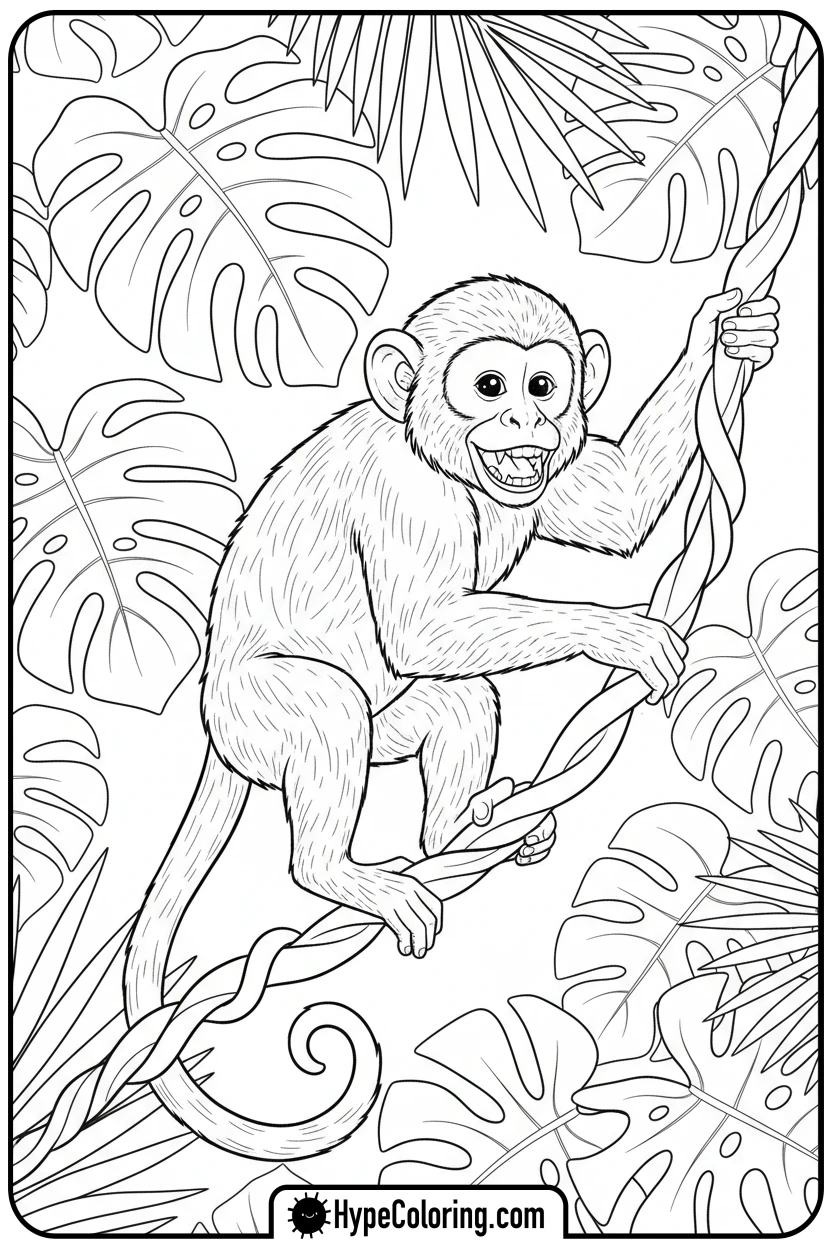
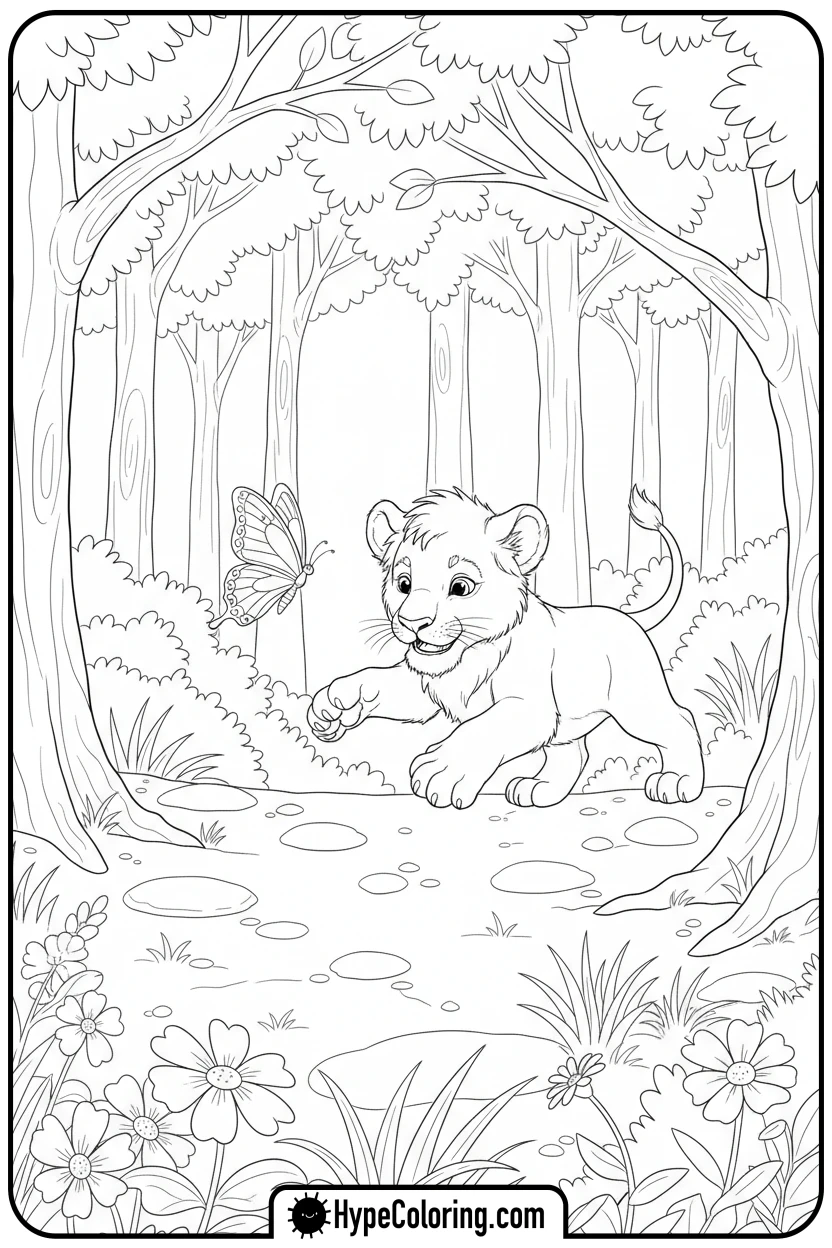
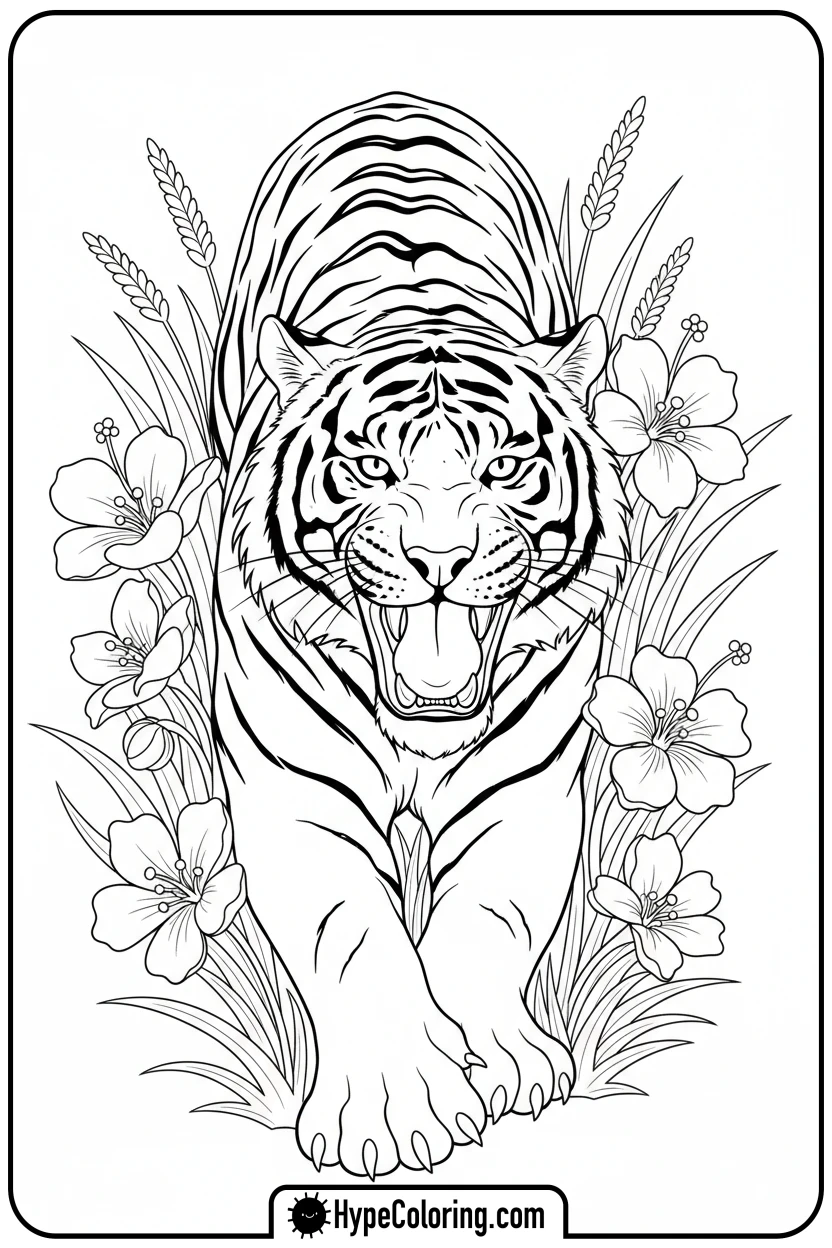
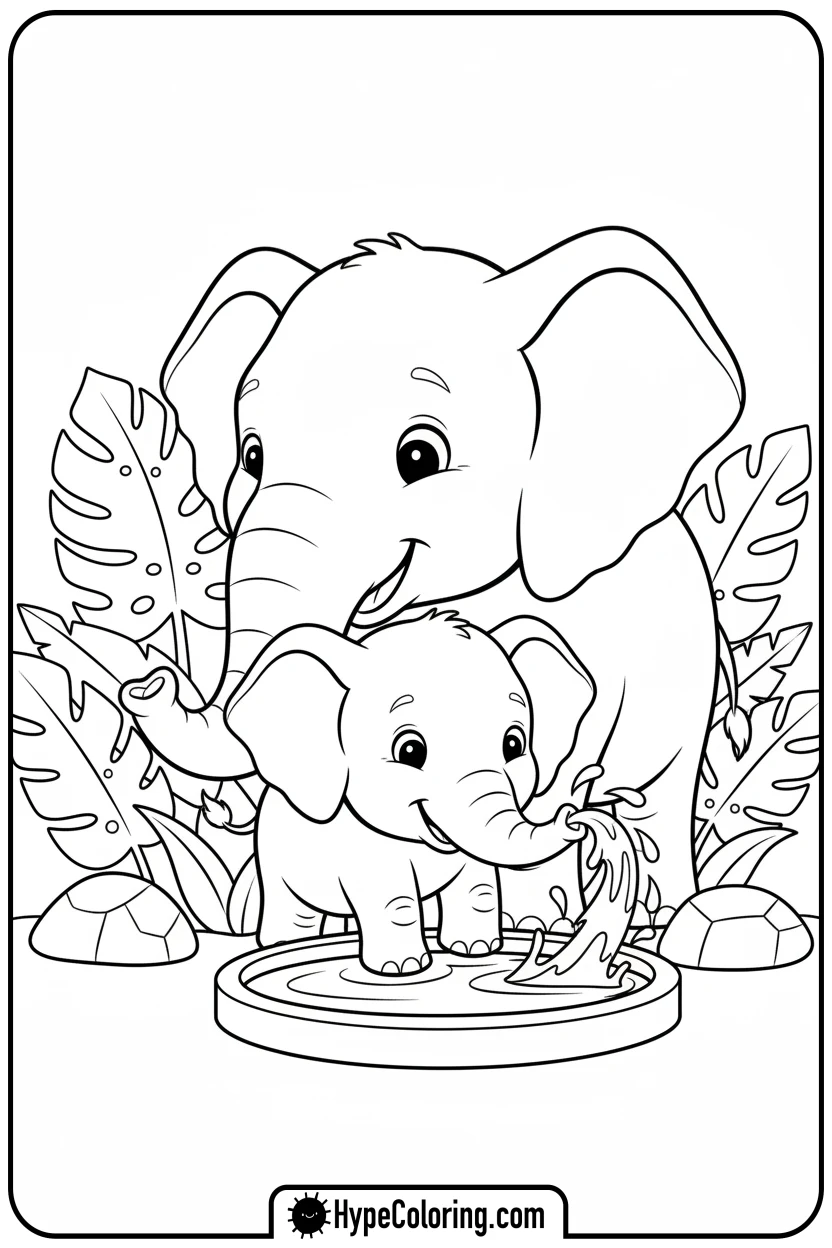
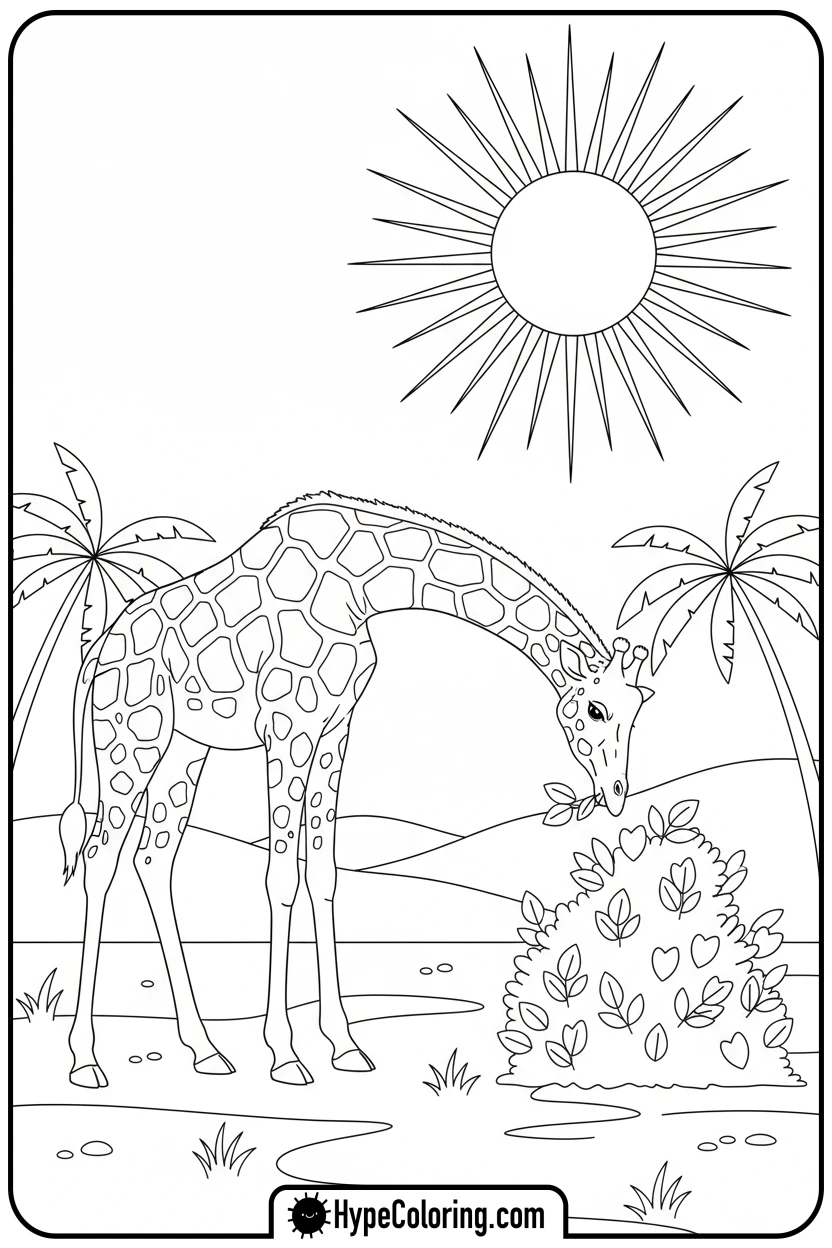
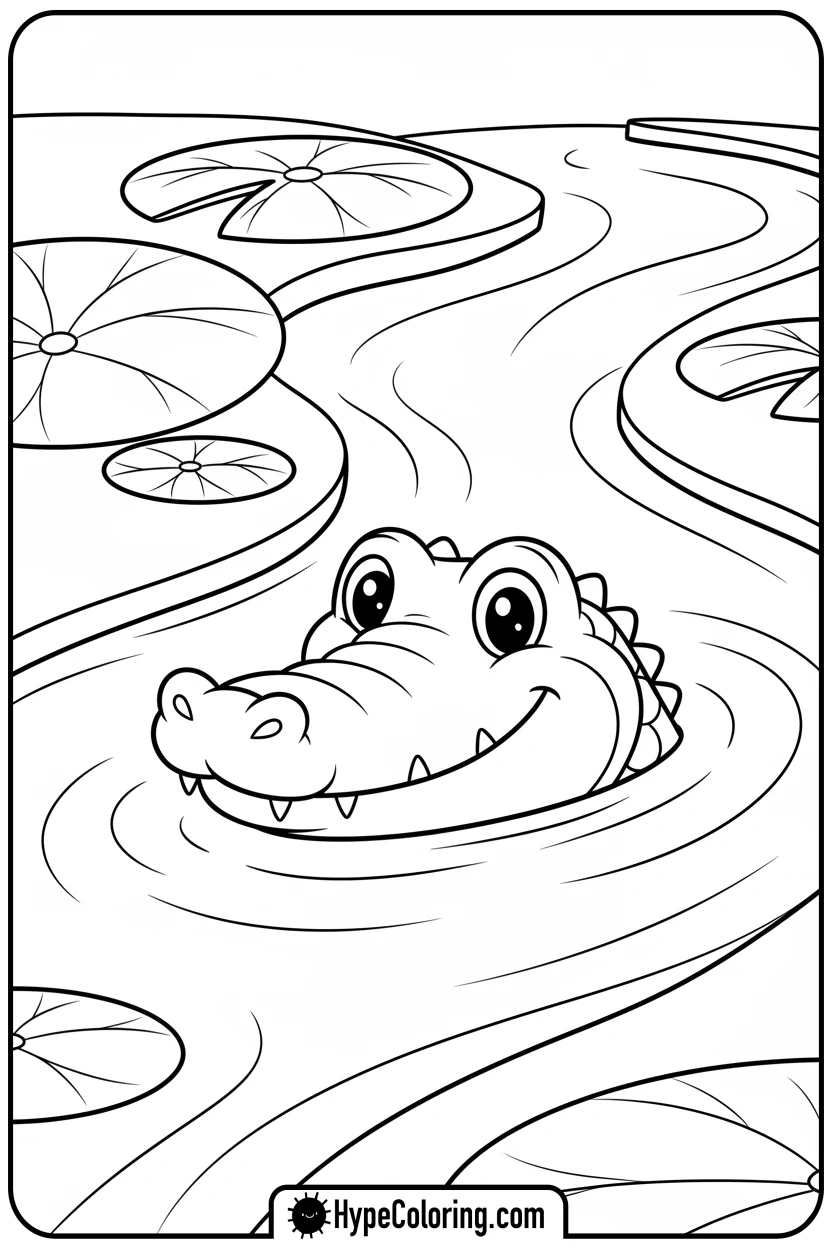
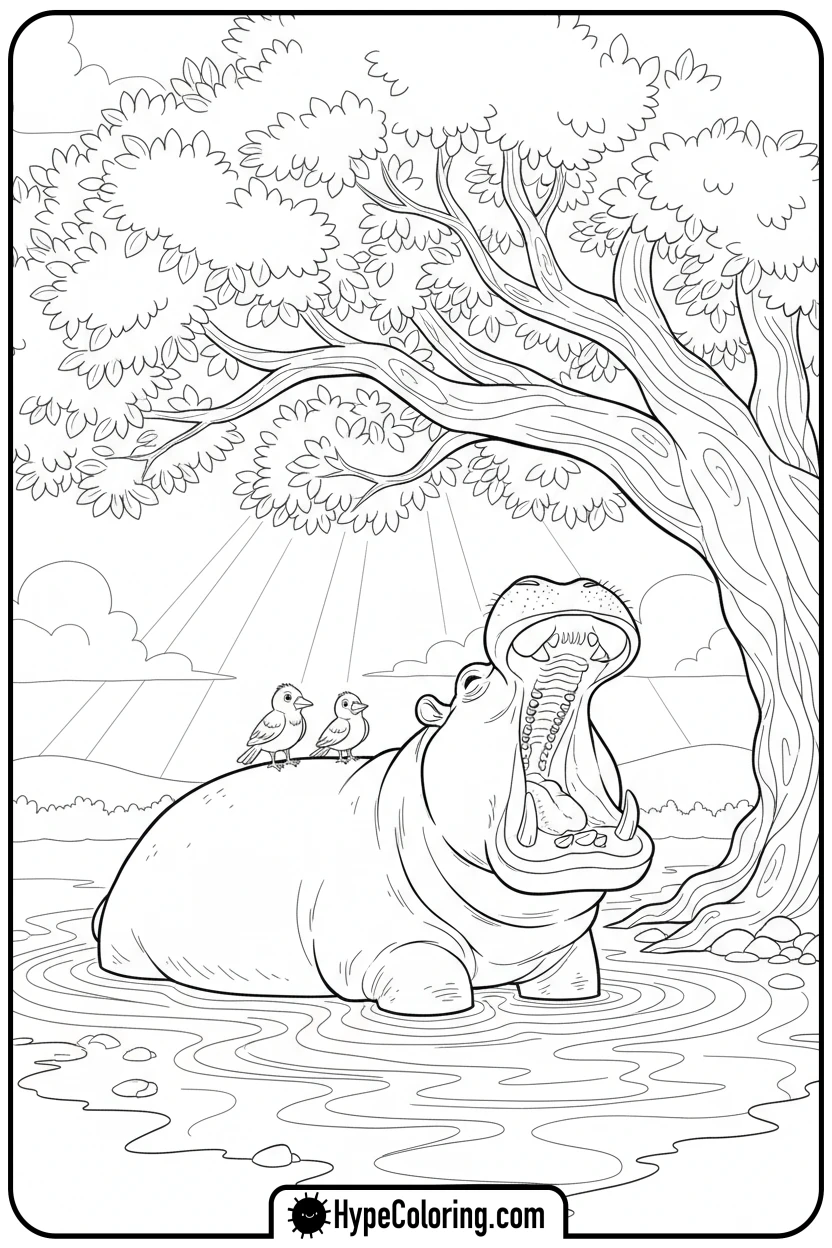
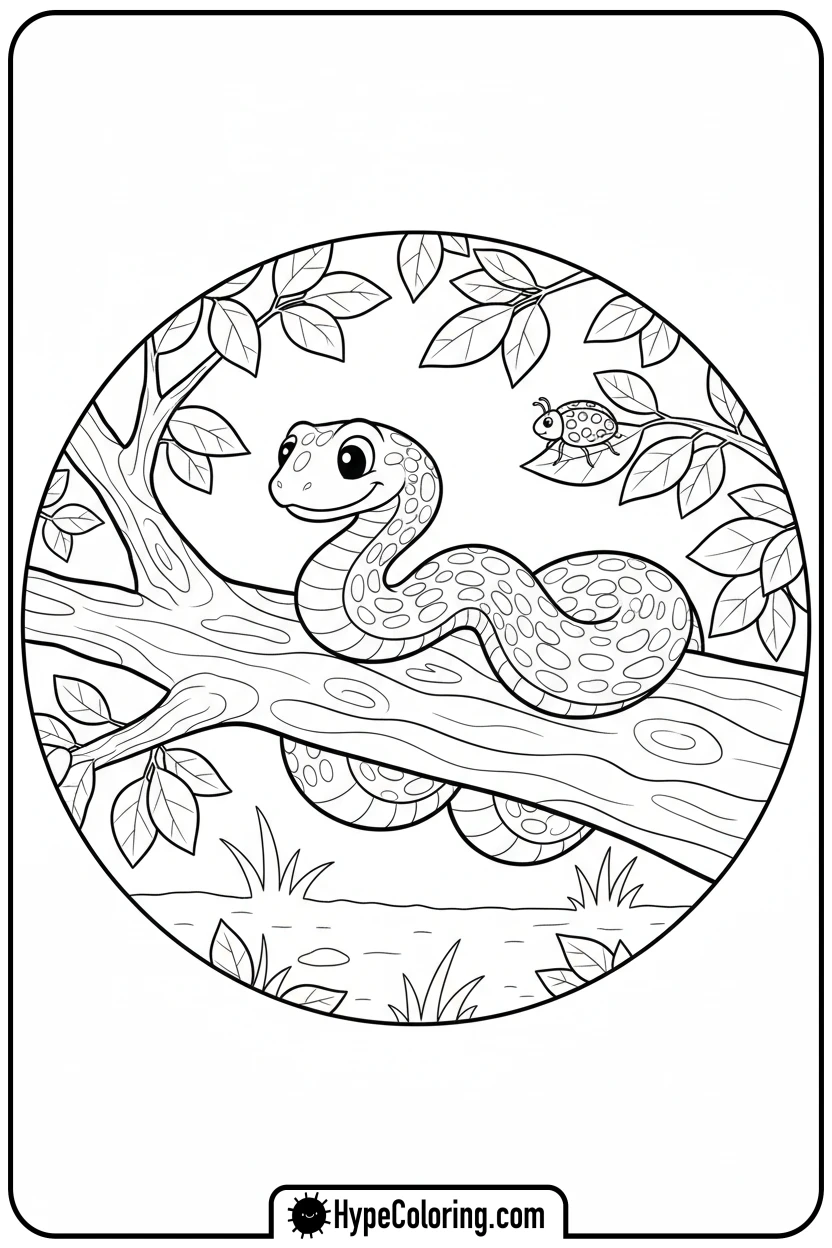
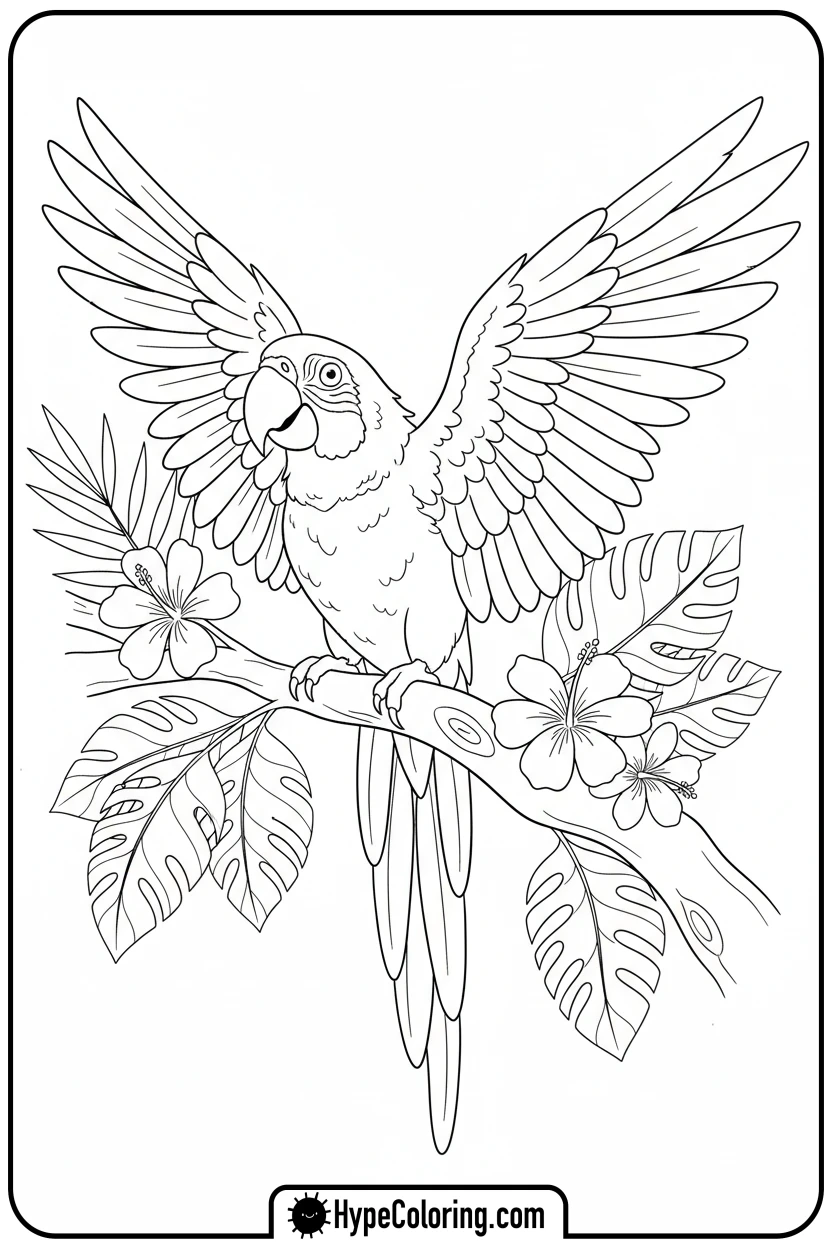
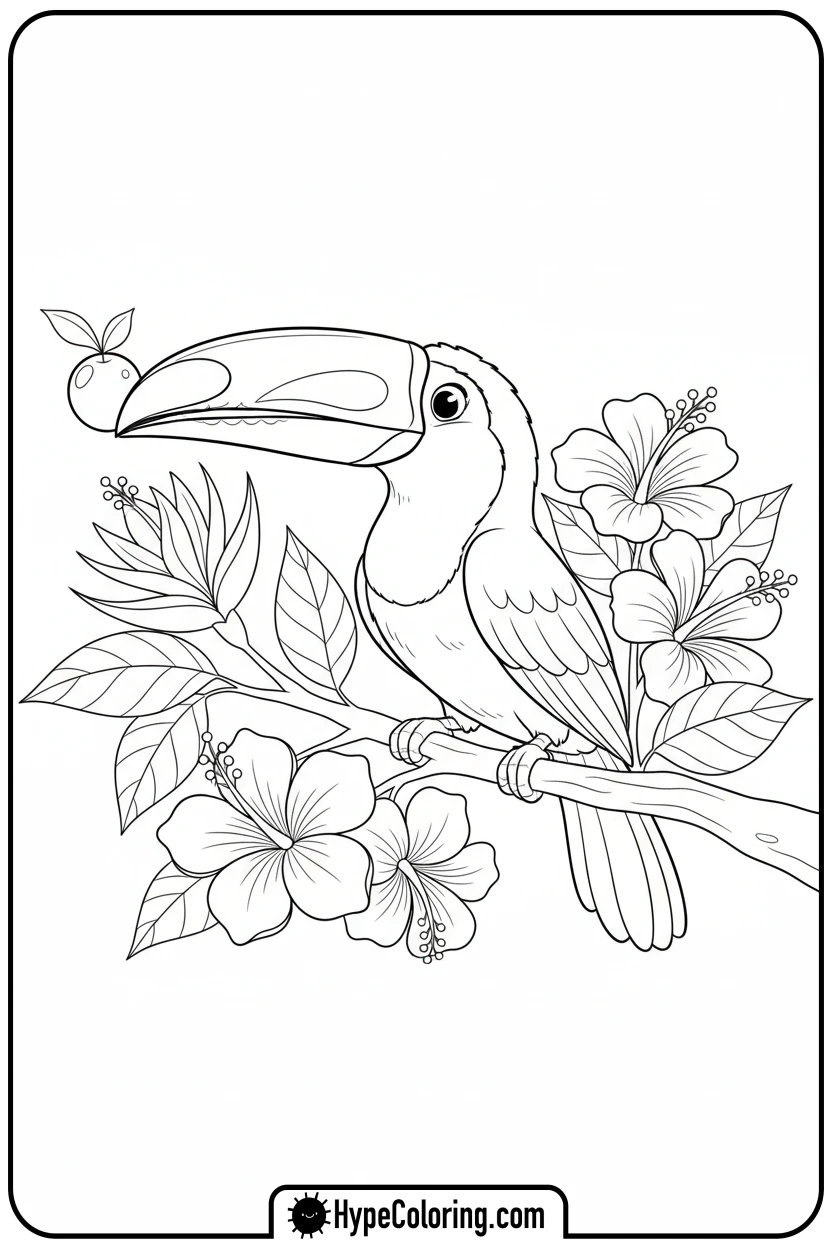
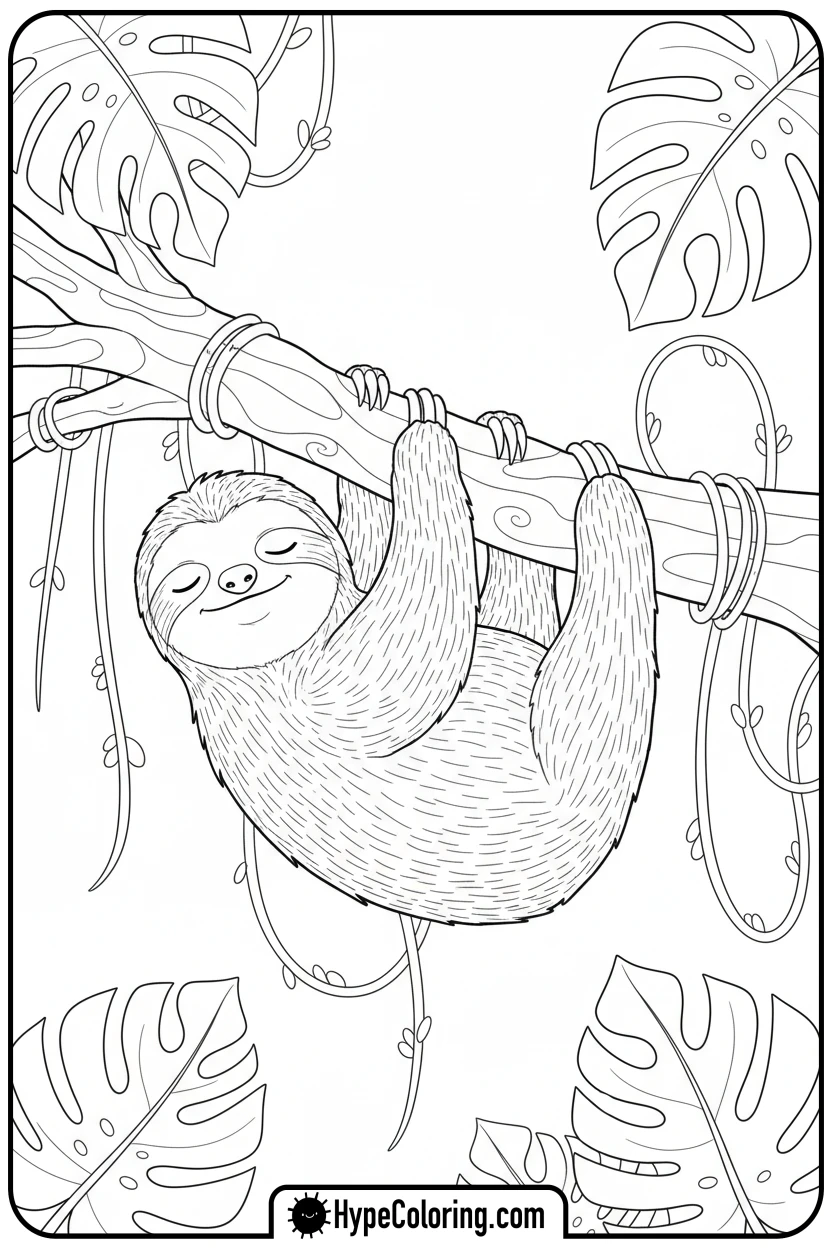
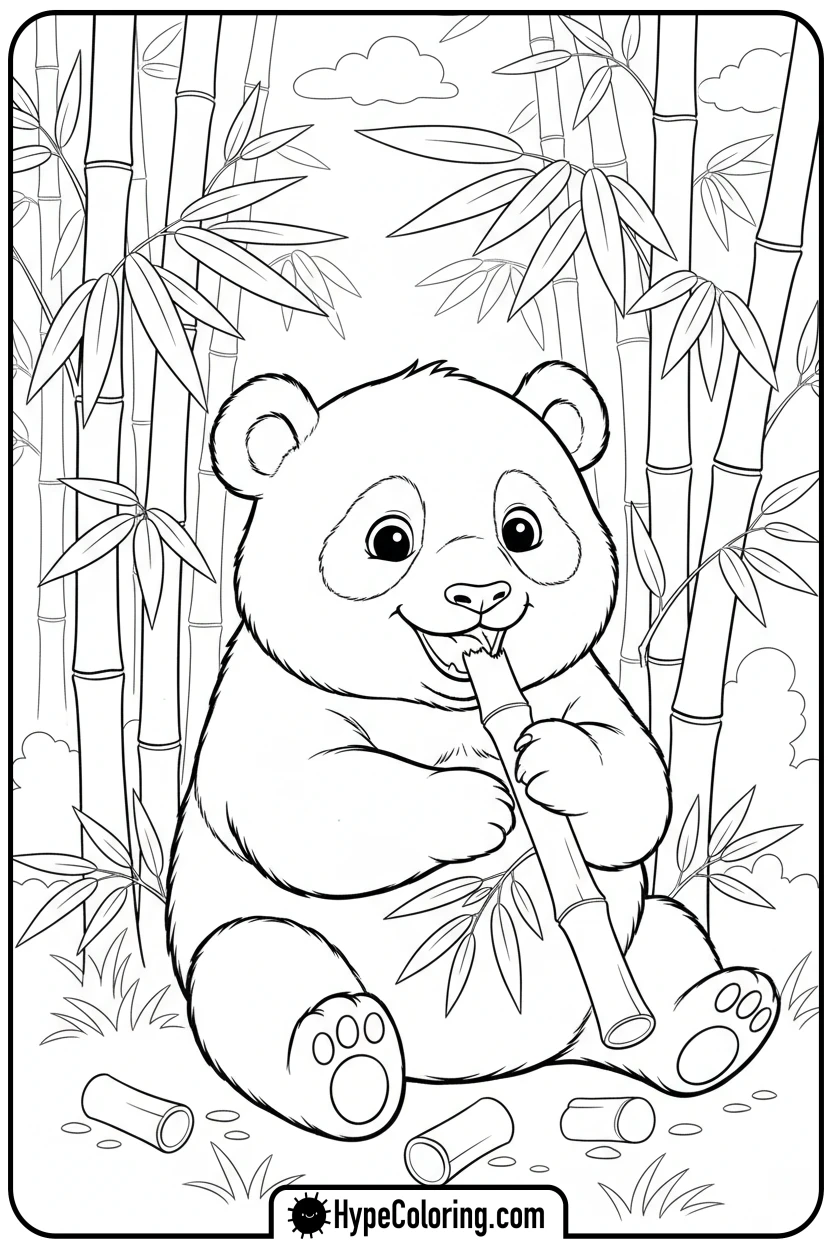
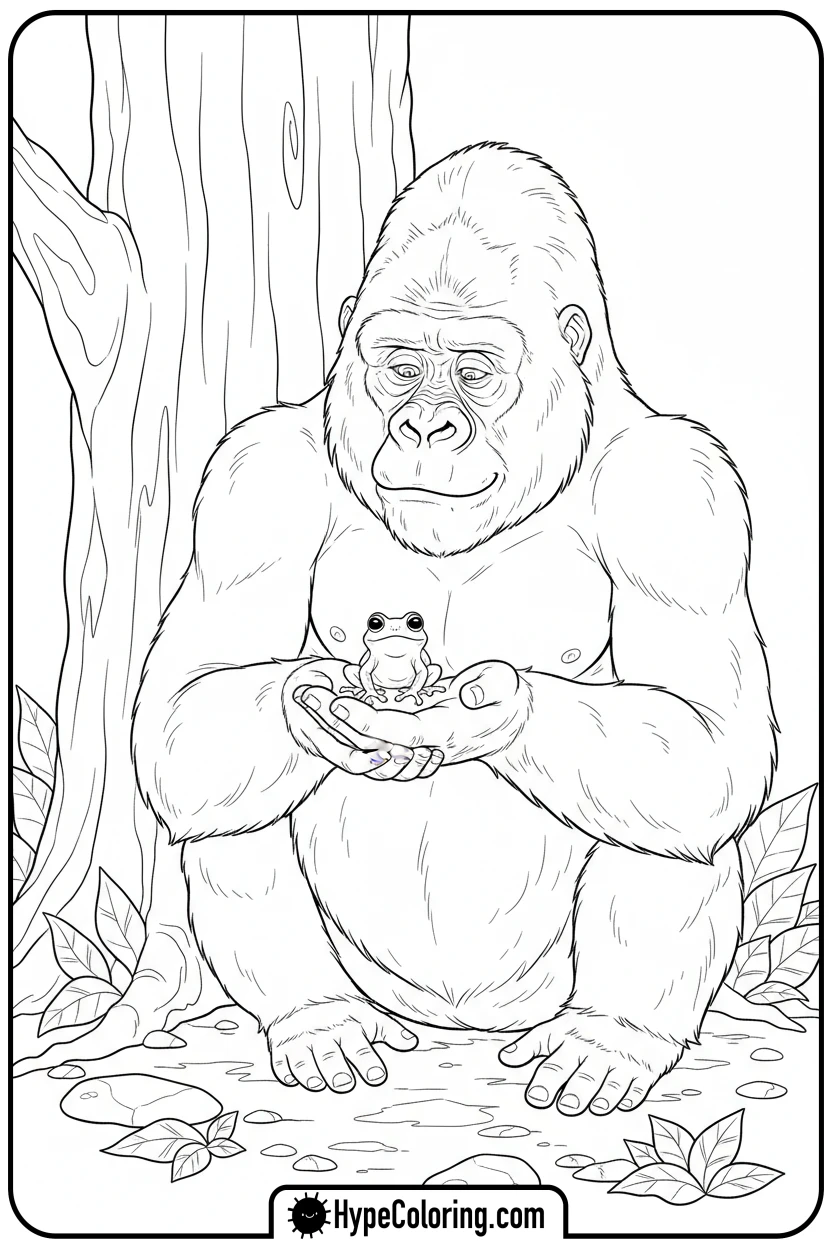
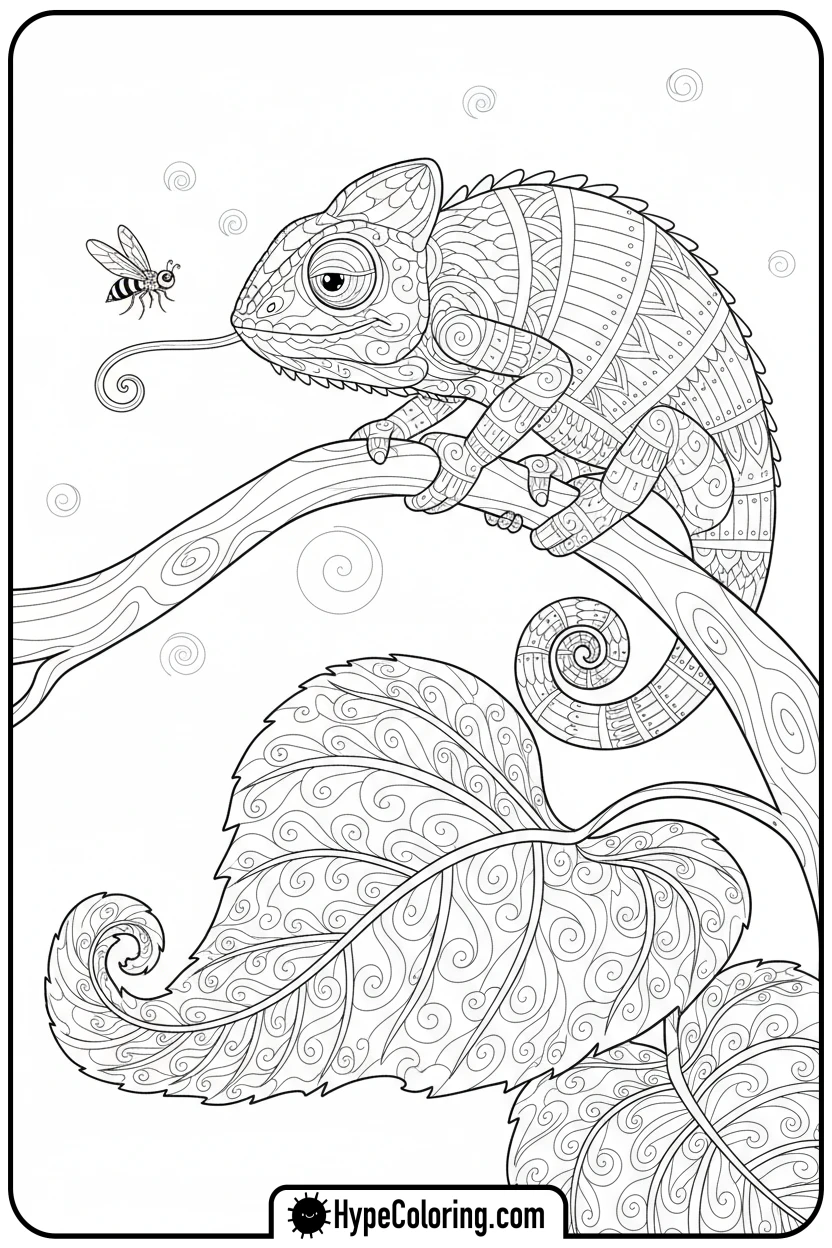
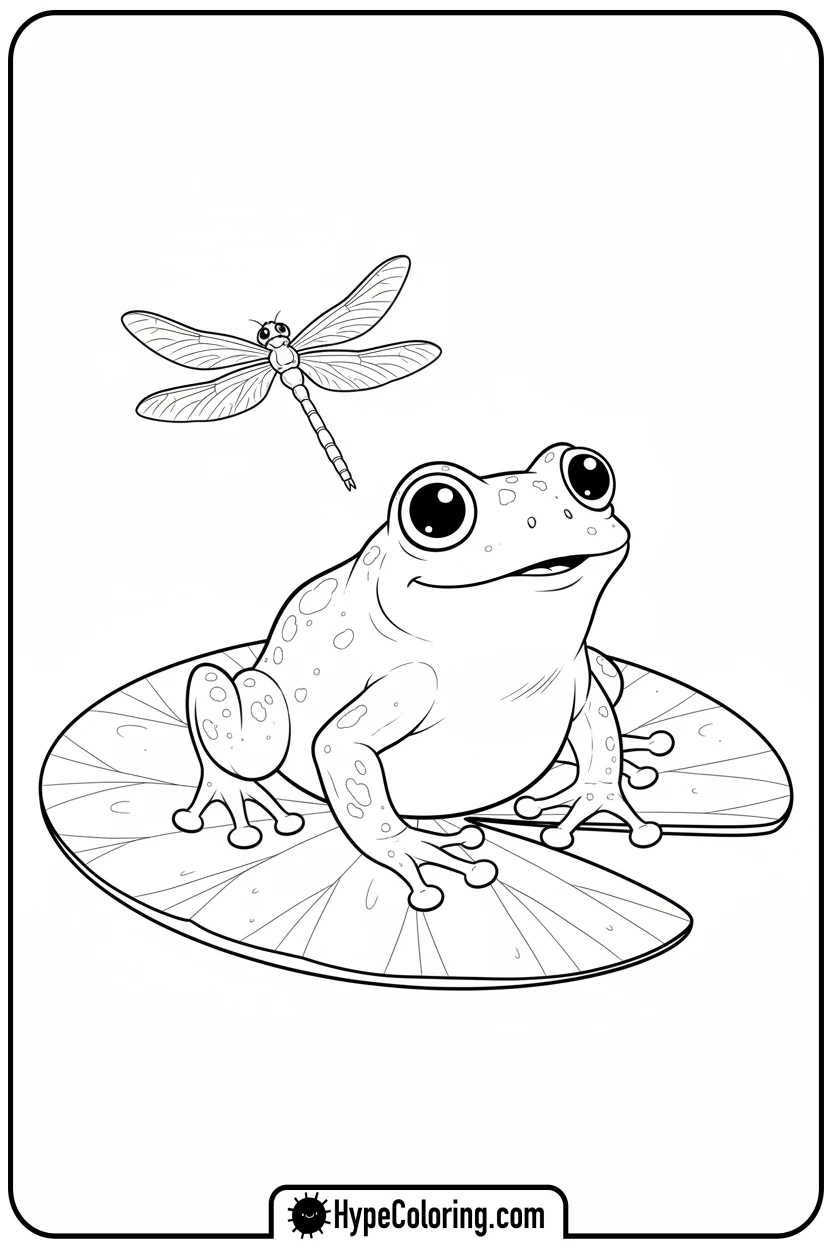
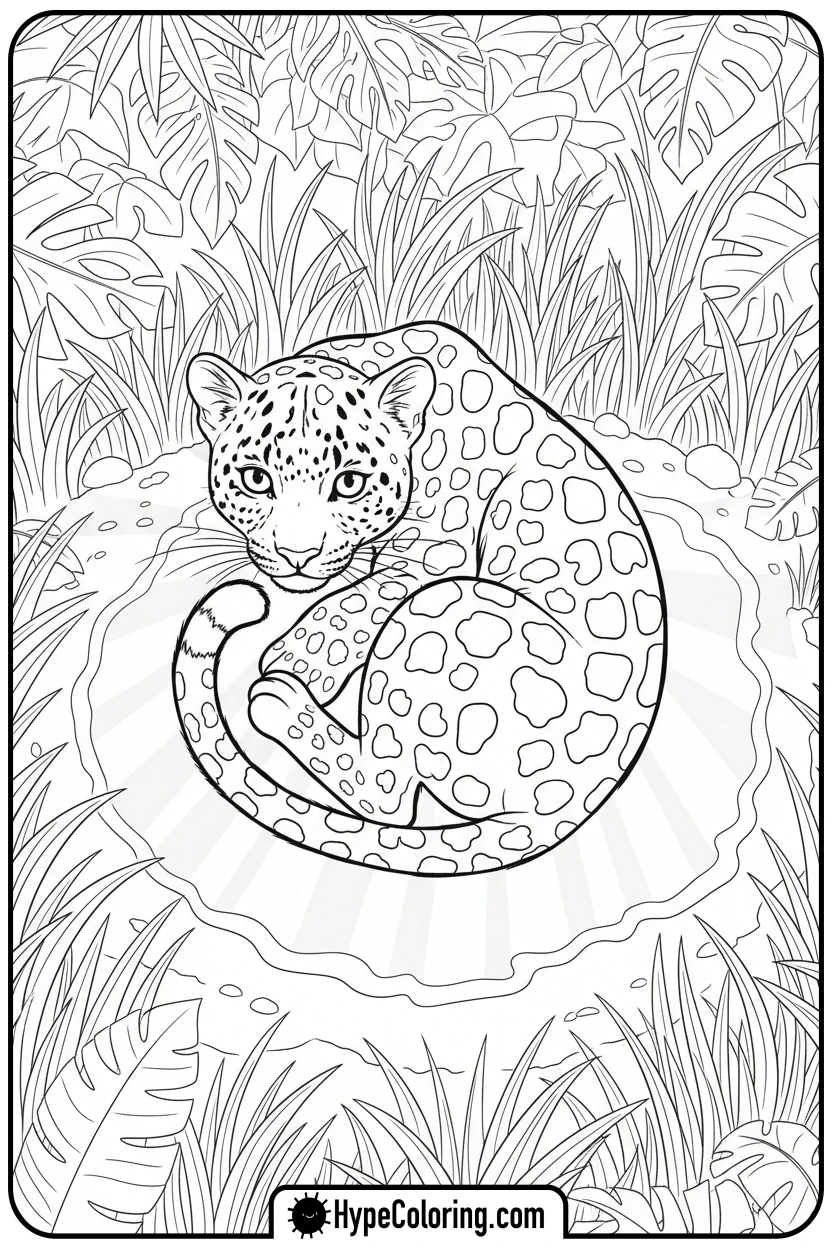
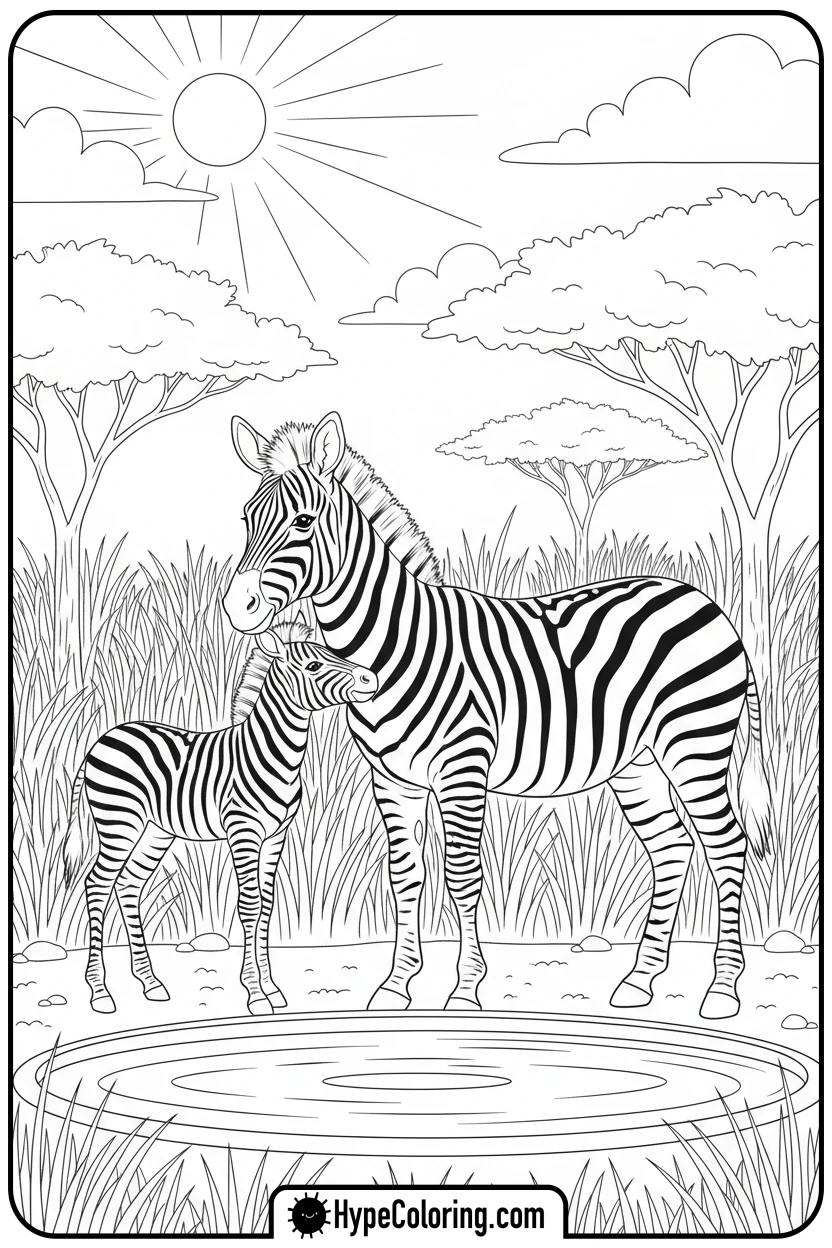
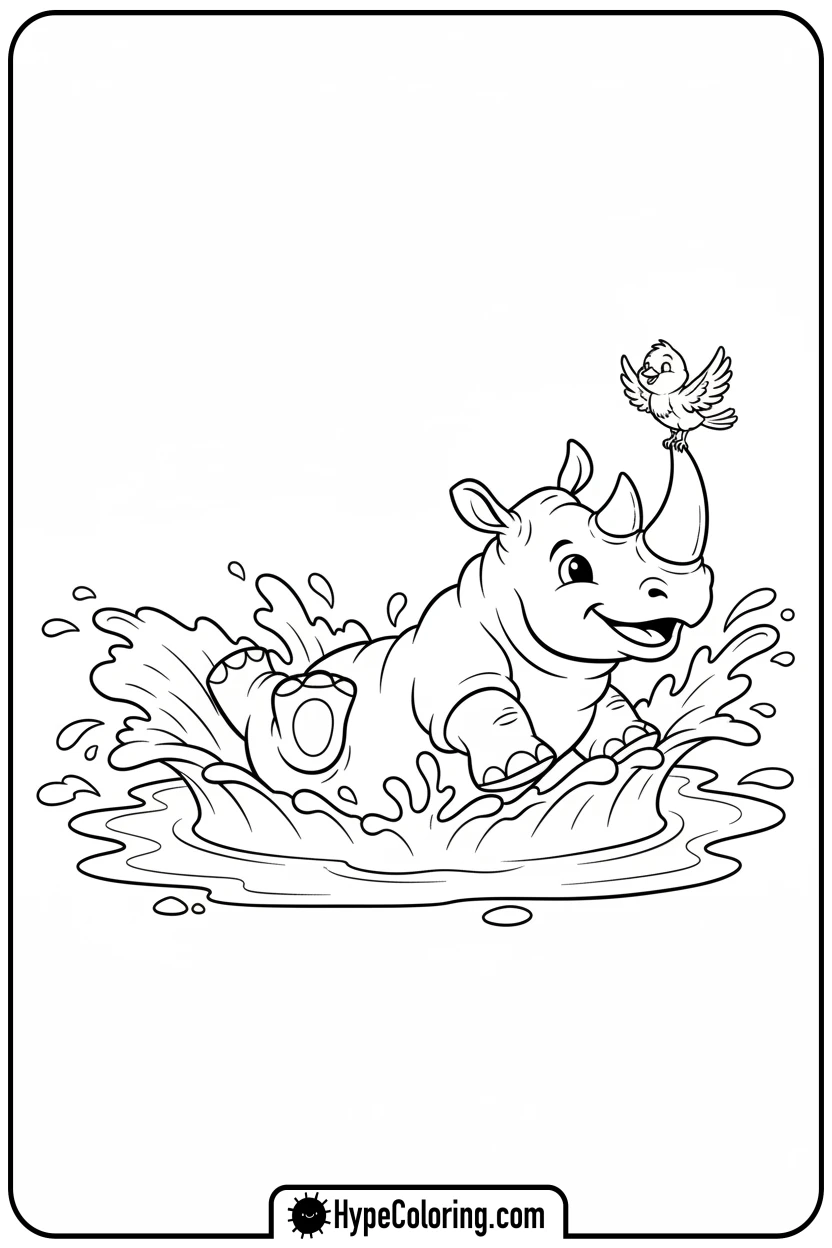
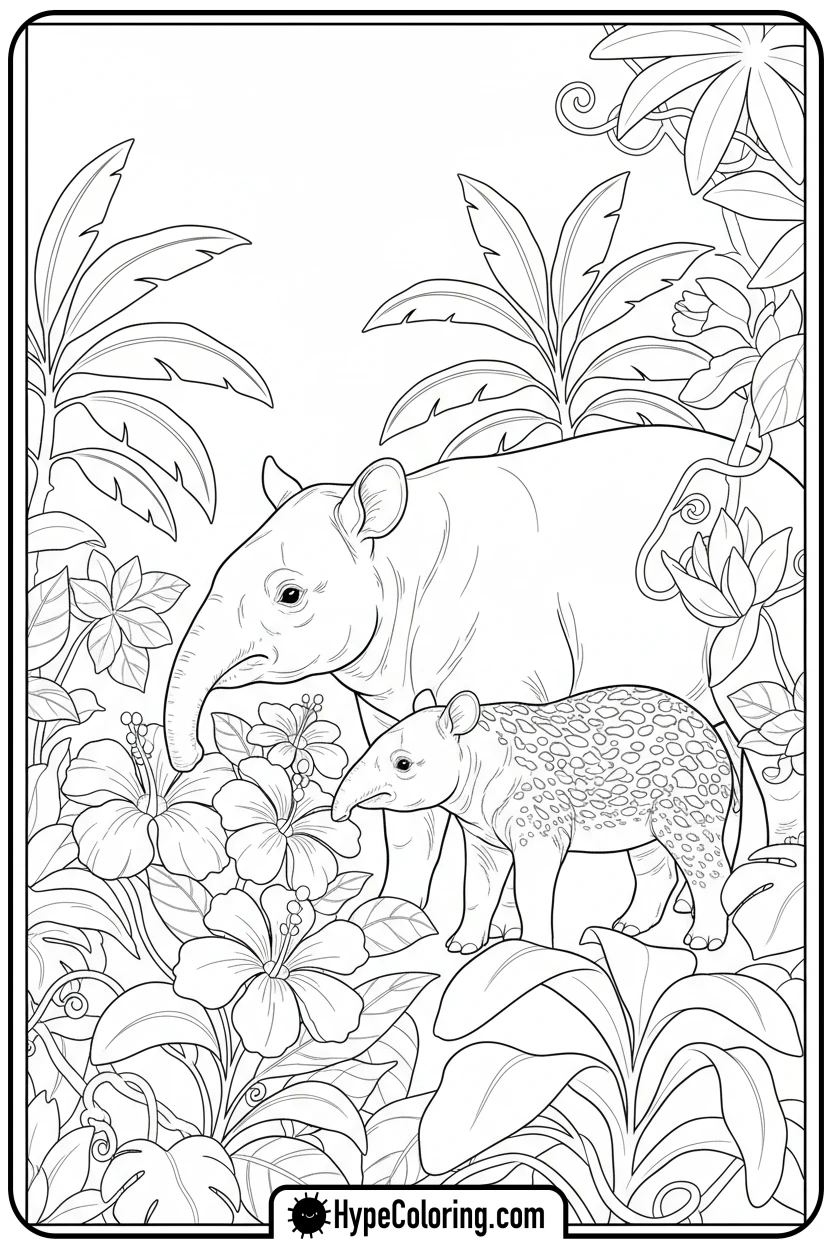
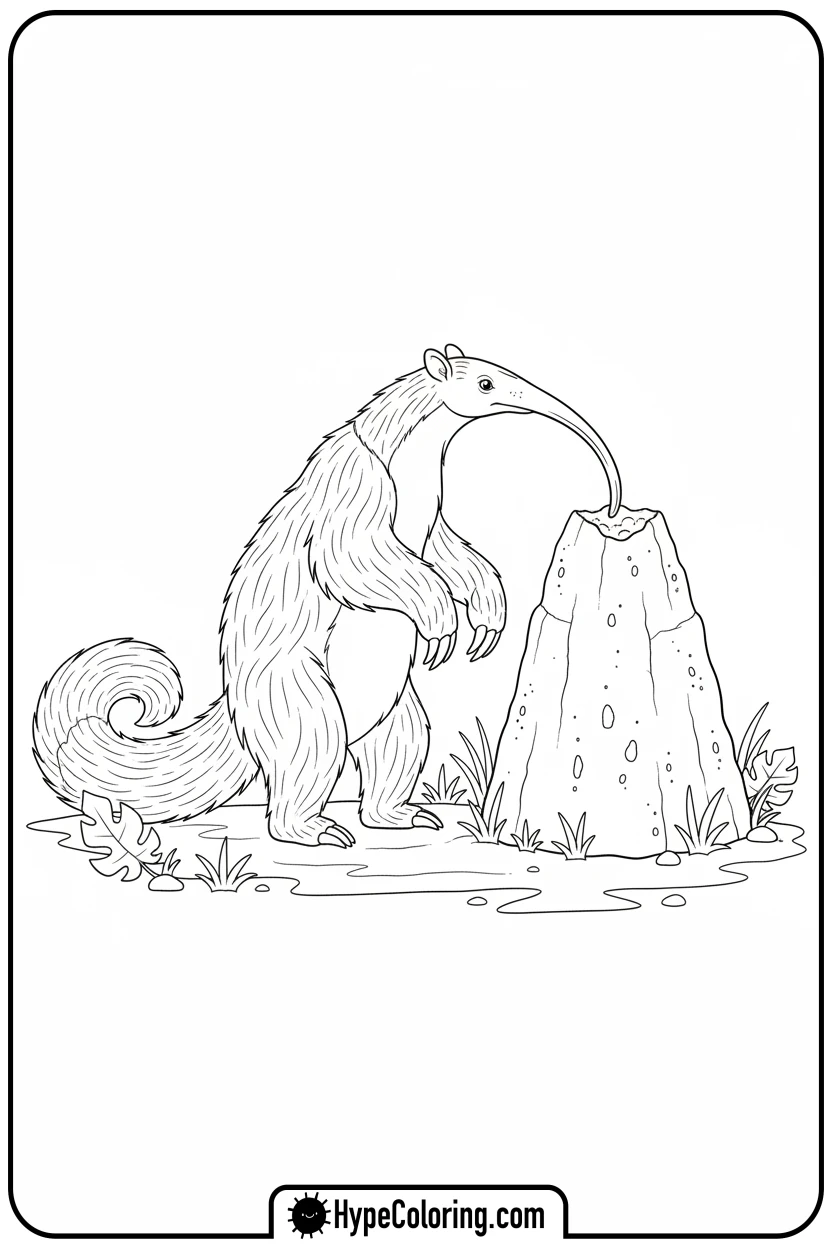
Table of Contents
Primates & Pandas: The Agile and the Gentle
The jungle is home to some of the most intelligent and beloved mammals, known for their playful antics and calm demeanor. These jungle animals coloring pages feature several fascinating examples, allowing you to perfect their unique textures and expressions.
Mischievous Monkeys & Peaceful Sloths
Monkeys, like the one joyfully swinging in design #1, are incredibly social animals, often living in large groups called troops. They communicate through a variety of calls, facial expressions, and body language. Sloths, as seen hanging peacefully in design #11, are known for their extremely slow metabolism and arboreal lifestyle, spending most of their lives upside down in the trees. Their fur often hosts symbiotic algae, giving them a green tint that helps them camouflage.
For the monkey, use various shades of brown and tan for its fur – a medium reddish-brown for the main body, lighter tan for the face and belly, and darker brown for details. With colored pencils, use short, quick strokes in the direction of the fur growth to give it texture. For the sloth, soft grays, muted browns, and even a hint of olive green can create a realistic, mossy coat. Try layering different shades of green crayon over a light brown base to simulate the algae on its fur. You can find these charming creatures in designs #1 and #11 of our jungle animals coloring pages.
Wise Gorillas & Playful Pandas
Gorillas, depicted with wisdom in design #13, are the largest living primates and are primarily herbivorous, feeding on leaves, stems, bamboo shoots, and fruit. They live in family groups led by a dominant silverback male. Pandas, like the cub munching bamboo in design #12, are native to the mountainous regions of central China and are famous for their distinct black and white fur, which helps them camouflage in snowy and rocky habitats. Despite their size, they are surprisingly agile climbers. You can learn more about their incredible strength and intelligence at the Gorilla Foundation.
For the gorilla, focus on deep charcoal grays and blacks for its powerful fur, with lighter silvery-gray on the back of the male, if applicable. A black marker can provide a strong base, then use a dark gray colored pencil for highlights and muscle definition. The panda is a classic black and white challenge – use a smooth, solid black for the patches and leave the rest crisp white. Ensure the bamboo stalks are a fresh green (lime and forest green) with earthy browns for shadows. These gentle giants are featured in designs #12 and #13.
Big Cats: Masters of the Hunt
The jungle and savanna are home to some of the most powerful and majestic predators. Their intricate patterns and powerful forms make for exciting coloring challenges in these jungle animals coloring pages.
Majestic Tigers & Sleek Leopards
Tigers, such as the stretching one in design #3, are the largest of all wild cats and are renowned for their distinctive orange coat with dark vertical stripes, which serves as excellent camouflage in tall grass and dense foliage. Each tiger’s stripe pattern is unique, much like human fingerprints. Leopards, like the cub in design #16, are incredibly agile and powerful, known for their distinctive rosetted coats and their ability to climb trees, even dragging prey up into the branches to keep it safe from scavengers.
For the tiger, start with a vibrant orange or reddish-orange base. Use a dark brown or black marker for the stripes, ensuring sharp, clean lines. For added realism, use an orange crayon to blend soft transitions in the fur. The leopard requires a base of light yellow or golden tan, with black or dark brown for the rosettes. With colored pencils, draw the outline of the rosettes first, then fill them, leaving the inner part lighter to show the spot pattern. These magnificent big cats are found in designs #3 and #16.
Playful Lion Cubs
Lions are the only cats that live in groups, called prides, typically consisting of related females, their offspring, and a few adult males. The lion cub playfully pouncing in design #2 represents the early, curious stage of these iconic savanna animals. While often associated with savannas, their habitats can sometimes extend into brushy areas bordering jungles.
To color the lion cub, use a warm, golden tan or light brown for its fur. For its developing mane, choose a slightly darker, rich brown or even a touch of sandy yellow. Markers can give a smooth, even base color. For the fluttering butterfly, use bright, contrasting colors like royal blue, yellow, and orange on black wings. This adorable scene is captured in design #2 of our jungle animals coloring pages. For more savanna creatures, check out our Coloring Pages Of Savanna Animals Free Printable.
Large Herbivores: Gentle Giants of the Wild
These impressive animals roam the landscapes, shaping their environments through their feeding habits and movements. Their sheer size and unique features offer fantastic opportunities for detailed coloring.
Friendly Elephants & Graceful Giraffes
Elephants, like the baby playfully spraying water in design #4, are the largest land animals and possess an incredible memory. Their trunks are highly versatile, used for breathing, smelling, touching, grasping, and producing sound. Giraffes, with their long necks, as seen bending in design #5, are the tallest mammals on Earth. Their unique spotted coats provide excellent camouflage among the trees and shrubs of their savanna and open woodland habitats. Learn more about the amazing adaptations of elephants and other wildlife at National Geographic Kids.
For the elephant, use various shades of gray, from light to dark, with a touch of pink for the inside of its ears. Crayons are excellent for blending these grays to create the wrinkled texture of its skin. For the giraffe, a pale yellow or creamy base is essential, with irregular patches of warm brown or reddish-brown. Use colored pencils to create soft edges for the spots, allowing some blending between colors. You can find these gentle giants in designs #4 and #5.
Playful Zebras & Sturdy Rhinos
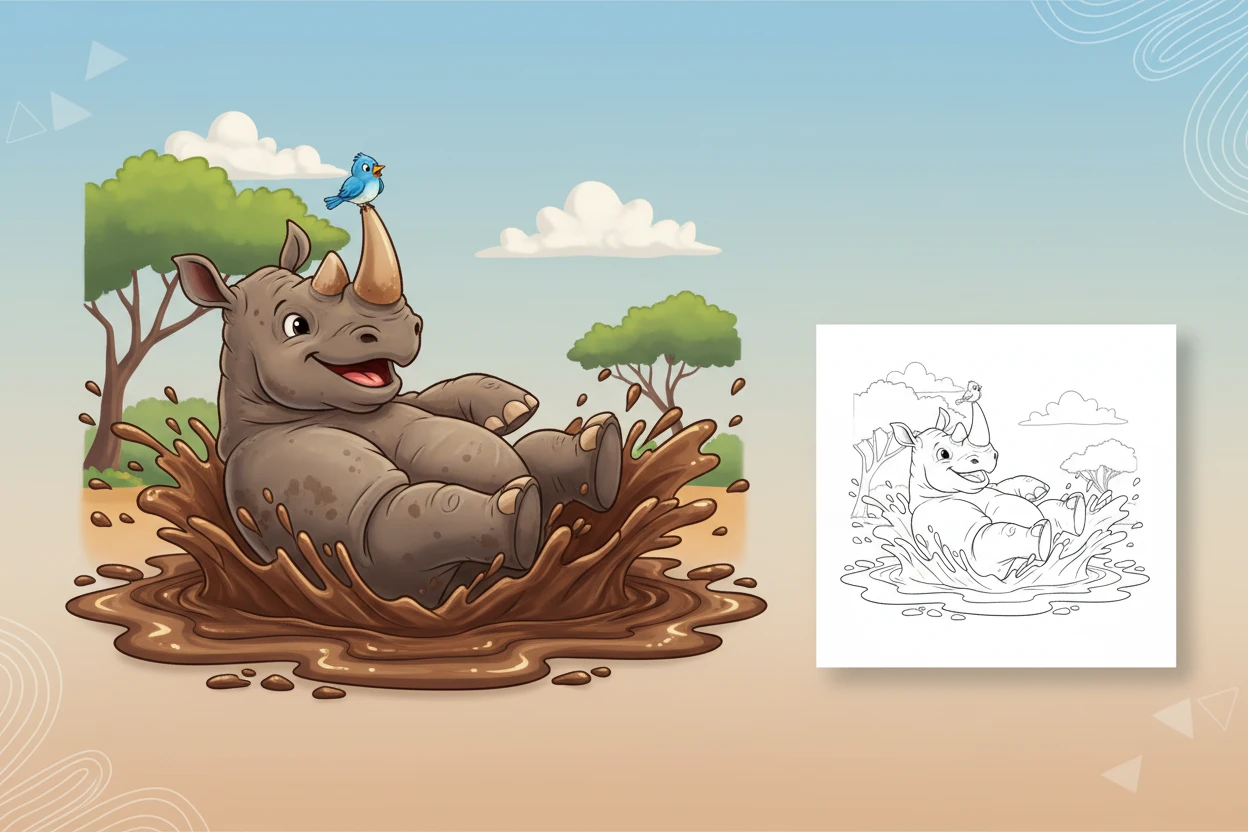
Zebras, like the baby nudging its mother in design #17, are famous for their distinctive black and white striped coats. Each zebra’s stripe pattern is unique, and scientists believe these patterns might help with insect repulsion and camouflage from predators. Rhinoceroses, such as the sturdy one rolling in mud in design #18, are large, herbivorous mammals distinguished by their formidable horns. They love to wallow in mud, which helps cool them down and protects their skin from insects and the sun.
For the zebra, achieving crisp black and white stripes is key. A fine-tipped black marker can help create clean lines, or use a black colored pencil for a softer effect, ensuring the white areas remain bright. For the rhino, use a base of strong gray, with darker gray or black for the horn and details. Don’t forget to add muddy brown splatters around it, which can be done effectively with brown crayons for texture. These striking animals are featured in designs #17 and #18.
Curious Tapirs
Tapirs, like the one sniffing flowers in design #19, are unique pig-like mammals with short, prehensile snouts, which they use to grasp leaves and fruit. They are found in Central and South America and Southeast Asia, typically inhabiting dense forests and wetlands. Their distinctive appearance and shy nature make them fascinating subjects for these jungle animals coloring pages.
To color the tapir, you’ll need a combination of dark brown or black for its main body and a contrasting creamy white or light gray for its belly, face, and leg markings. Use colored pencils to create the soft texture of its short fur. The jungle foliage around it can be a mix of lush greens and earthy browns for the shadows. Design #19 beautifully showcases this intriguing creature.
Reptiles & Amphibians: Masters of Camouflage
From the depths of the rivers to the heights of the trees, these cold-blooded creatures are perfectly adapted to their jungle homes. Their unique textures and vibrant colors provide exciting challenges for coloring.
Smiling Crocodiles & Sleepy Hippos
Crocodiles, like the smiling cartoon one peeking from the water in design #6, are large semi-aquatic reptiles known for their powerful jaws and armored bodies. They are apex predators in their ecosystems. Hippos, though not reptiles, often share waterways with crocodiles and are depicted yawning in a mud puddle in design #7. These large, semi-aquatic mammals spend most of their days in water to keep cool and protect their sensitive skin from the sun.
For the cartoon crocodile, a bright medium green for its skin, with a lighter yellow-green for its belly and a touch of red or pink for its mouth, works well. Use a darker green marker for scales and shading. The hippo requires shades of dark gray and brownish-gray for its skin. Use crayons to build up layers, creating a textured, almost leathery look. The mud puddle should be a rich, dark brown. These water-loving animals are found in designs #6 and #7.
Friendly Garden Snakes & Clever Chameleons
Snakes, such as the friendly garden snake coiled around a branch in design #8, are limbless reptiles known for their fascinating scales and diverse patterns. Many jungle species are non-venomous and play a crucial role in controlling insect populations. Chameleons, like the clever one catching a fly in design #14, are famous for their ability to change skin color, not just for camouflage but also for communication and to regulate body temperature.
For the garden snake, you can choose a variety of greens, browns, and yellows for a natural look. Use colored pencils to create scale texture by drawing small, overlapping U-shapes. For the chameleon, this is where your color-changing skills come in! Start with a base of bright green, but be ready to add patches of yellow, orange, or even blue for its changing skin. Use a fine-tipped marker for its long tongue. Designs #8 and #14 provide excellent templates for these unique reptiles.
Cheerful Tree Frogs
Tree frogs, like the cheerful one on a lily pad in design #15, are typically small, agile amphibians with sticky toe pads that allow them to cling to leaves and branches. They often sport vibrant green skin, making them well-camouflaged among the foliage.
To color the tree frog, use a vibrant lime green or emerald green for its body, with lighter shades for its belly and a hint of yellow around its large eyes. Markers will give a smooth, bright finish. The giant lily pad should be a lush, deep green, with shadows created using a darker green colored pencil. This lively scene is perfect for bright, fresh colors and is found in design #15.
Exotic Birds: Wings of Color
The jungle canopy is a riot of sound and color, largely due to its diverse bird population. These feathered friends bring vibrant hues to our jungle animals coloring pages.
Vibrant Macaws & Cheerful Toucans
Macaws, like the vibrant parrot in design #9, are large, brightly colored parrots native to the tropical rainforests of Central and South America. They are known for their strong beaks, long tails, and loud calls. Toucans, with their distinct large beaks, as seen balancing a berry in design #10, are iconic birds of the Neotropics. Their massive, colorful beaks, though appearing heavy, are actually very light and are used for reaching fruit on branches and for attracting mates.
For the macaw, let your imagination soar! Use brilliant blues (cobalt, sky blue), vivid reds (scarlet, crimson), and sunny yellows (lemon, goldenrod) for its feathers. Colored pencils allow for feather layering and blending. The toucan’s beak is its most striking feature: use bright orange, yellow, and black. Its body is typically jet black, with a white or yellow throat patch. Markers can create bold, distinct blocks of color for the beak. These colorful birds are featured in designs #9 and #10.
Long-Snouted Anteaters
Anteaters, like the one searching for ants in design #20, are fascinating mammals known for their elongated snouts and long, sticky tongues, perfectly adapted for feeding on ants and termites. They are found in Central and South America and have powerful claws for tearing open anthills.
To color the anteater, use shades of gray and black for its coarse fur, often with a distinctive black diagonal stripe across its shoulder. Its long, bushy tail can be a mix of grays. Crayons are good for creating the shaggy texture of its fur. The anthill can be a warm reddish-brown, with tiny black dots representing the ants. Design #20 offers a unique creature to color in these jungle animals coloring pages.
Creative Activity: Your Own Jungle Diorama
Once you’ve finished coloring these fantastic jungle animals coloring pages, don’t just put them away! Cut out your favorite animals from the printable coloring sheets, leaving a small white border around each. Then, using a shoebox or a small cardboard box, create a mini jungle diorama. You can paint the inside of the box green and blue for the sky and foliage, glue on real leaves or twigs for trees, and then stand your colored animals inside. This creates a fun, interactive display of your very own jungle scene, bringing these jungle animals coloring pages to life in a new dimension.
This collection of jungle animals coloring pages offers a delightful blend of education and creativity. Whether you prefer the realistic animals coloring book style or the charm of cartoon animals coloring book designs, you’ll find plenty to inspire you. Get ready to explore the wild world of the jungle with your colors!