We offer a wide collection of free, high-quality printable coloring pages for kids and adults. From cute animals to intricate mandalas, our designs bring creativity and relaxation to everyone. Download, print, and start coloring today!
This collection of 20 mental health coloring pages offers a gentle, engaging way for children to explore and understand their emotions. Designed with art therapy vibes in mind, these printable coloring sheets provide emotional regulation support and foster kids’ emotional intelligence through mindful activities.
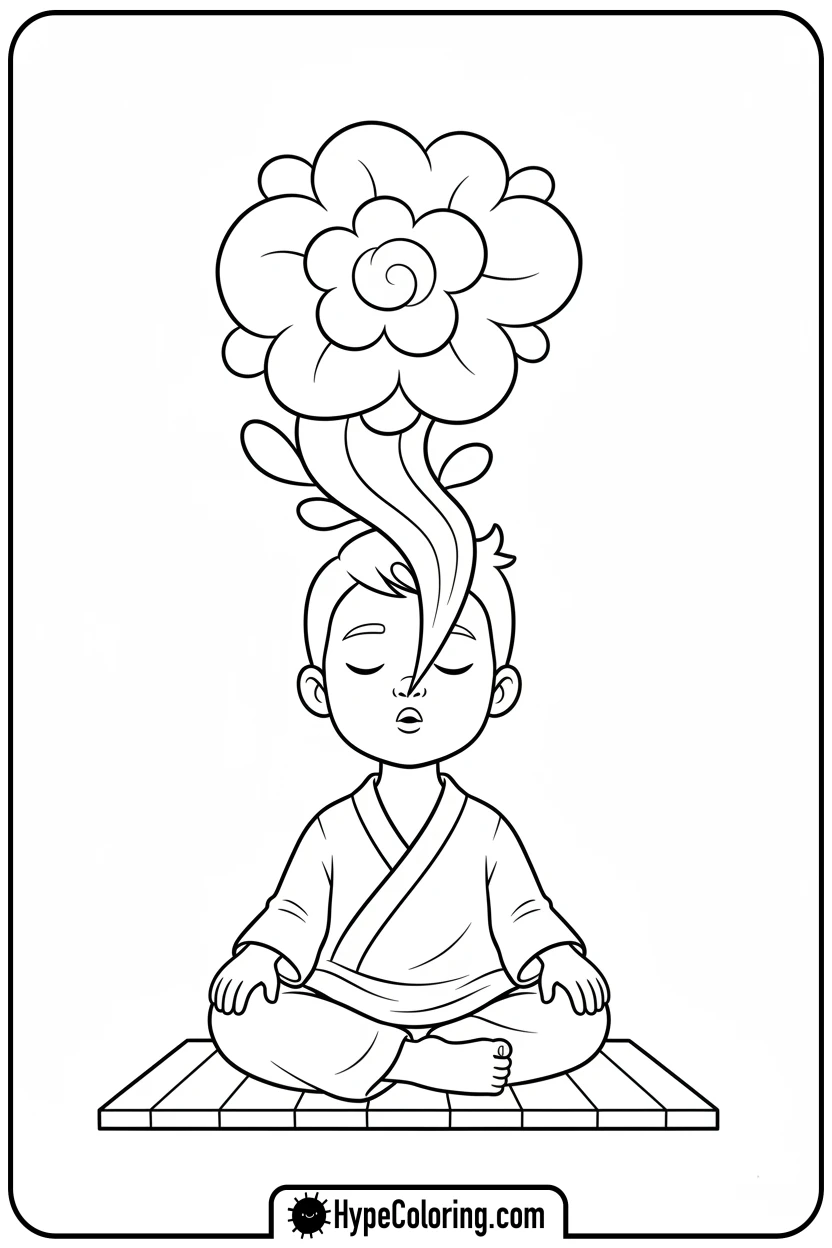
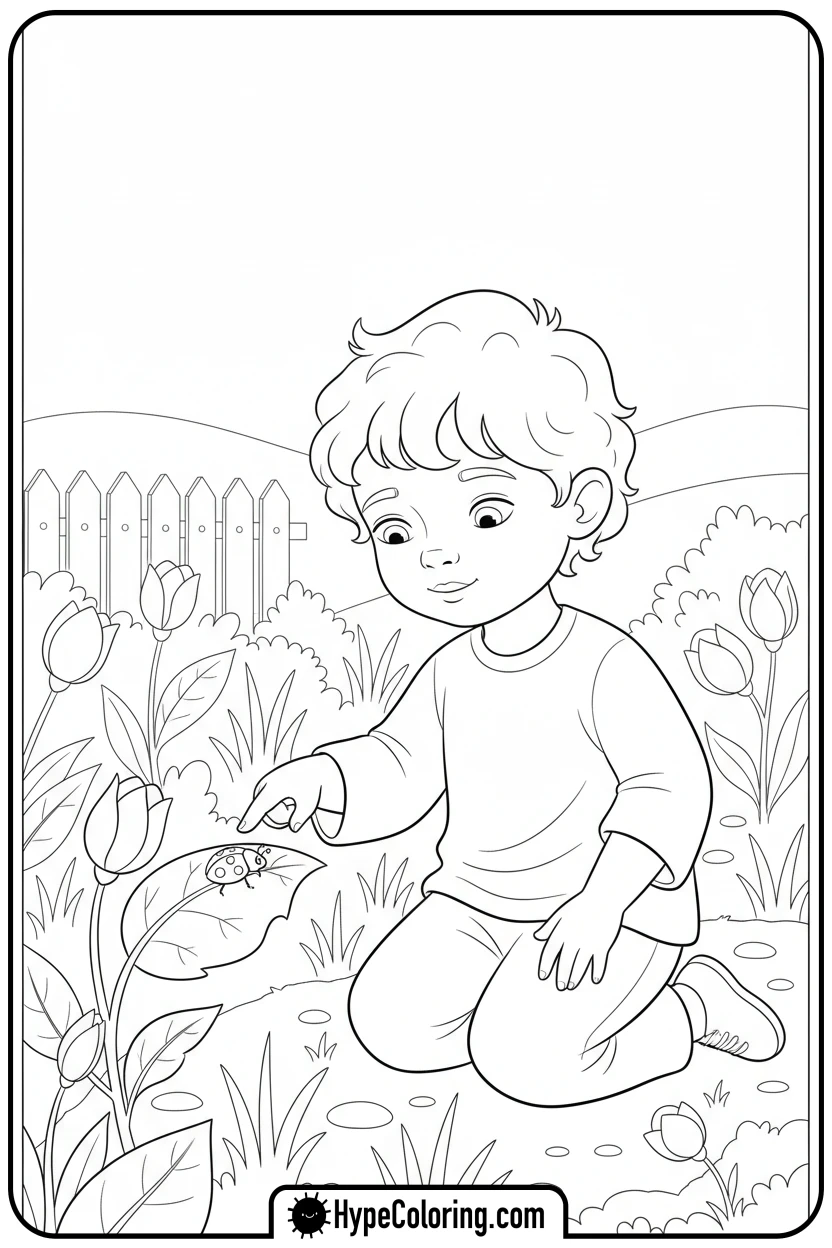
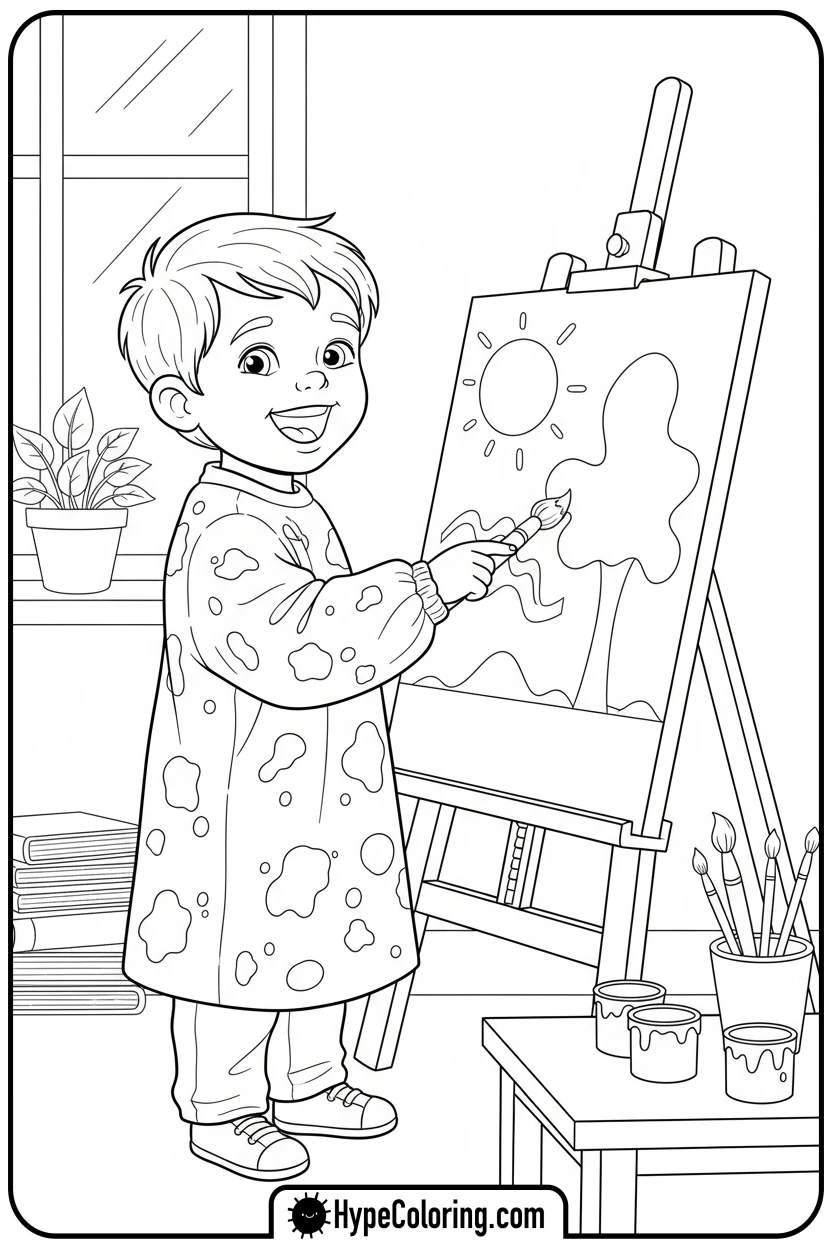
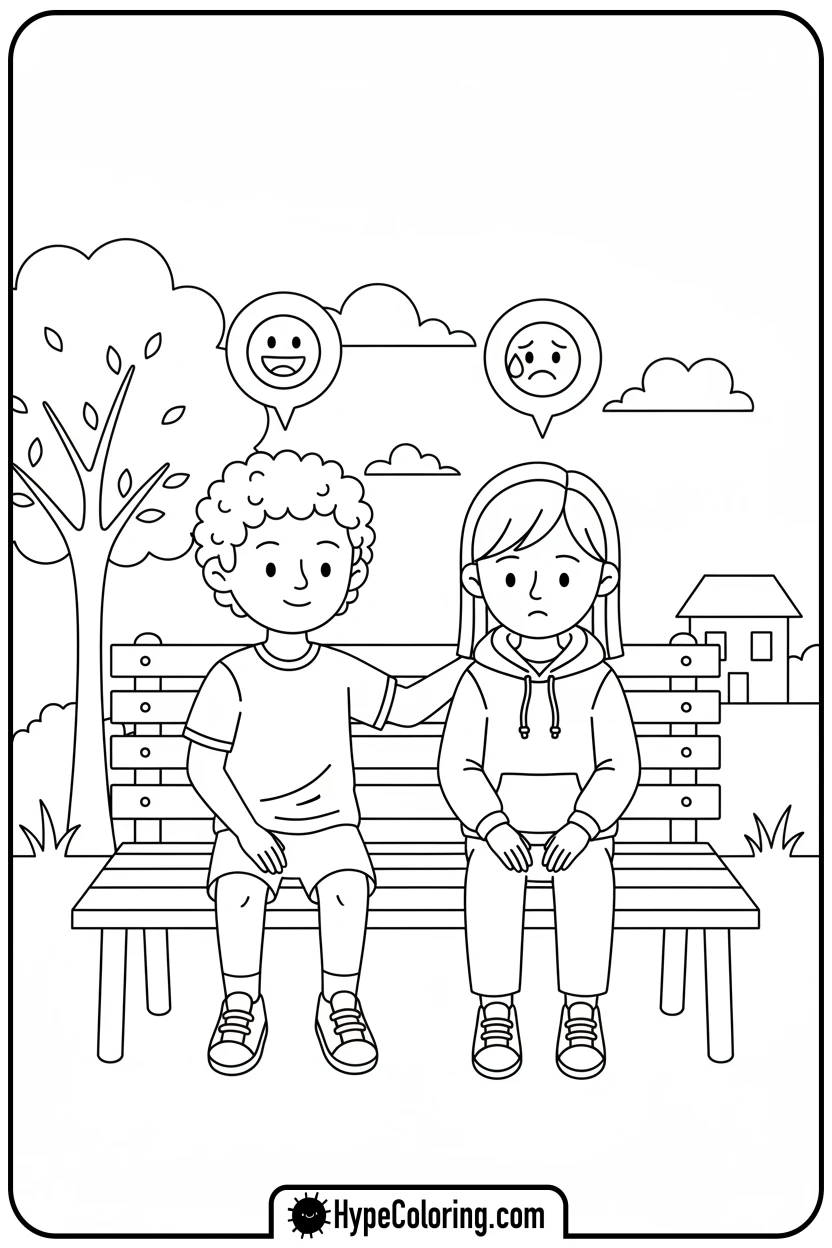
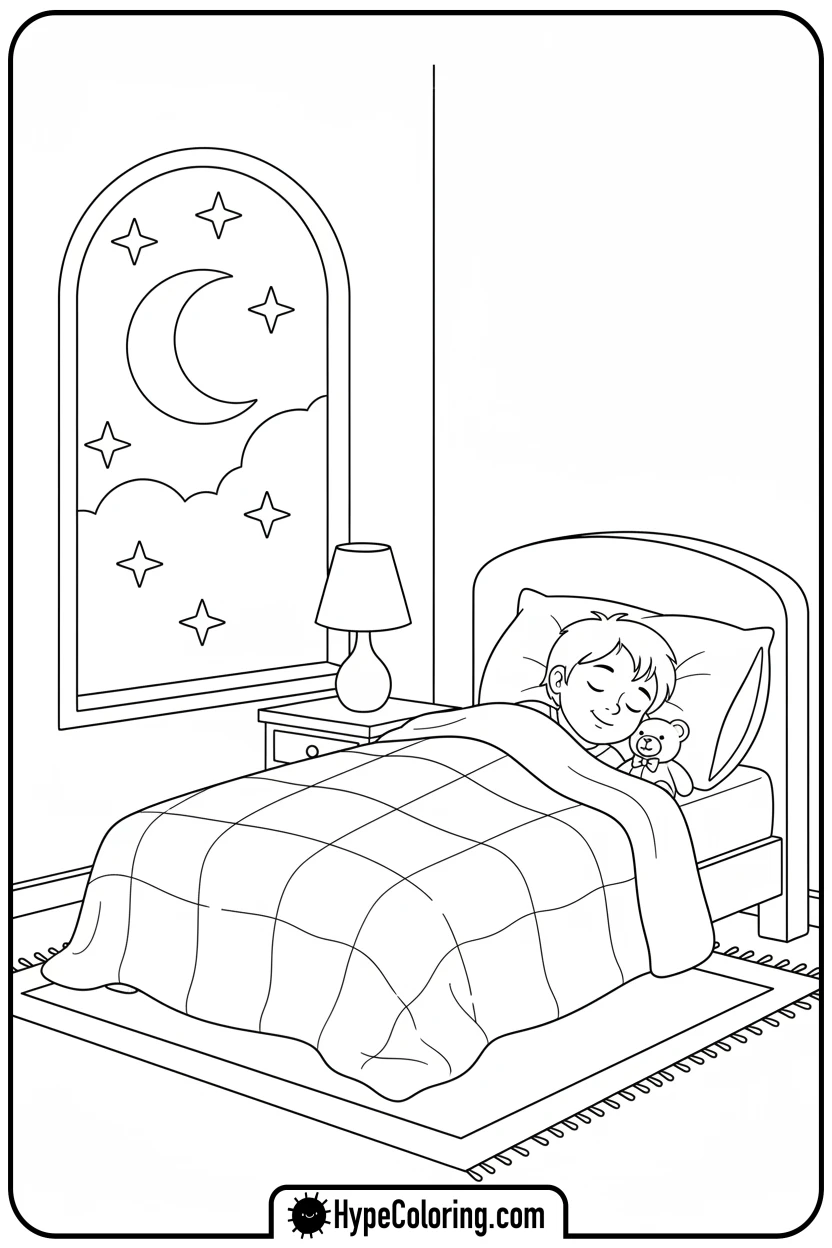
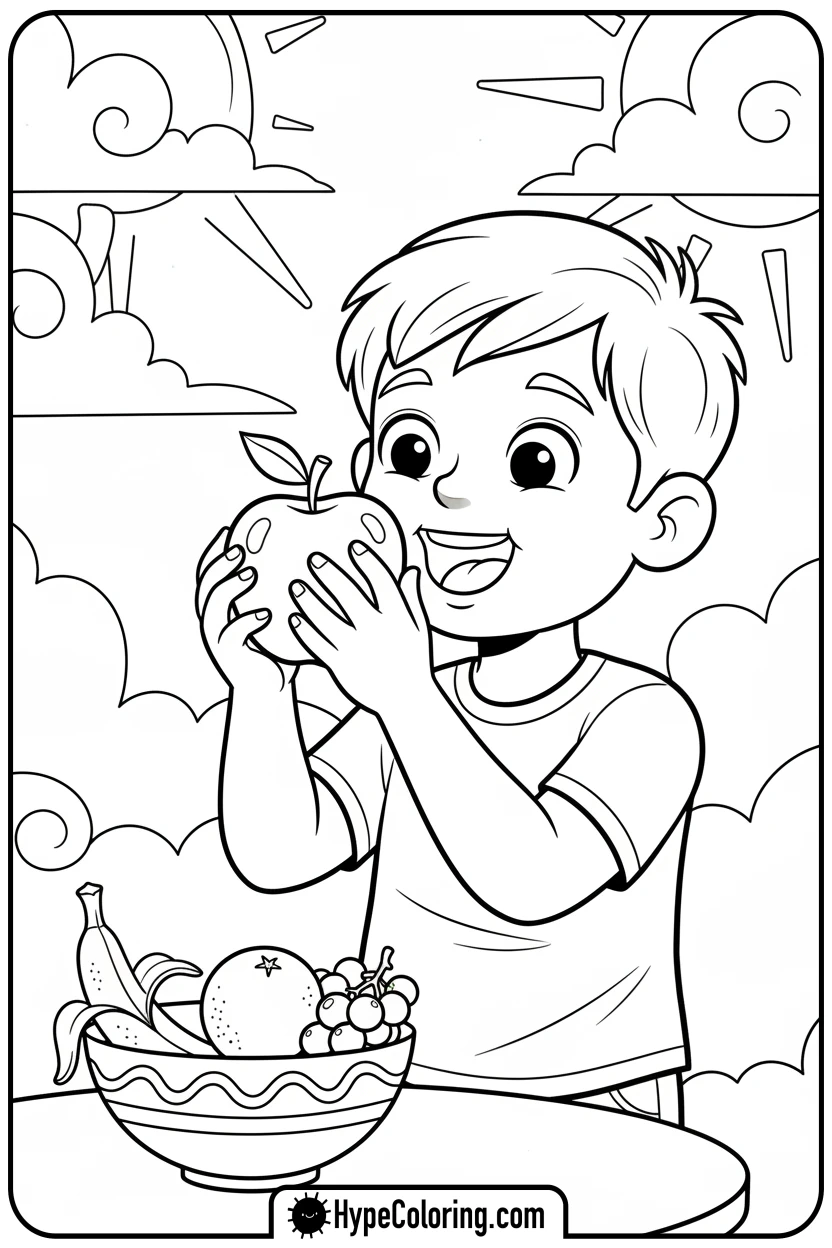
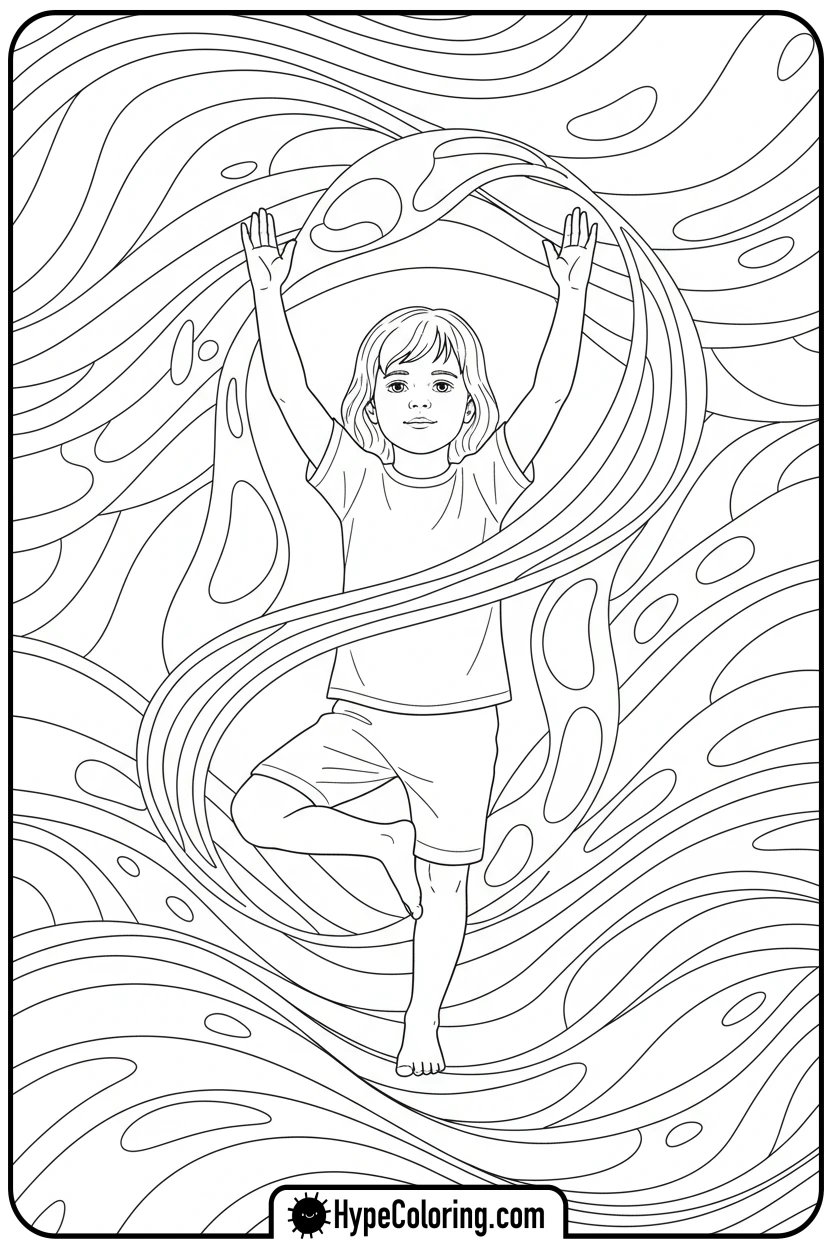
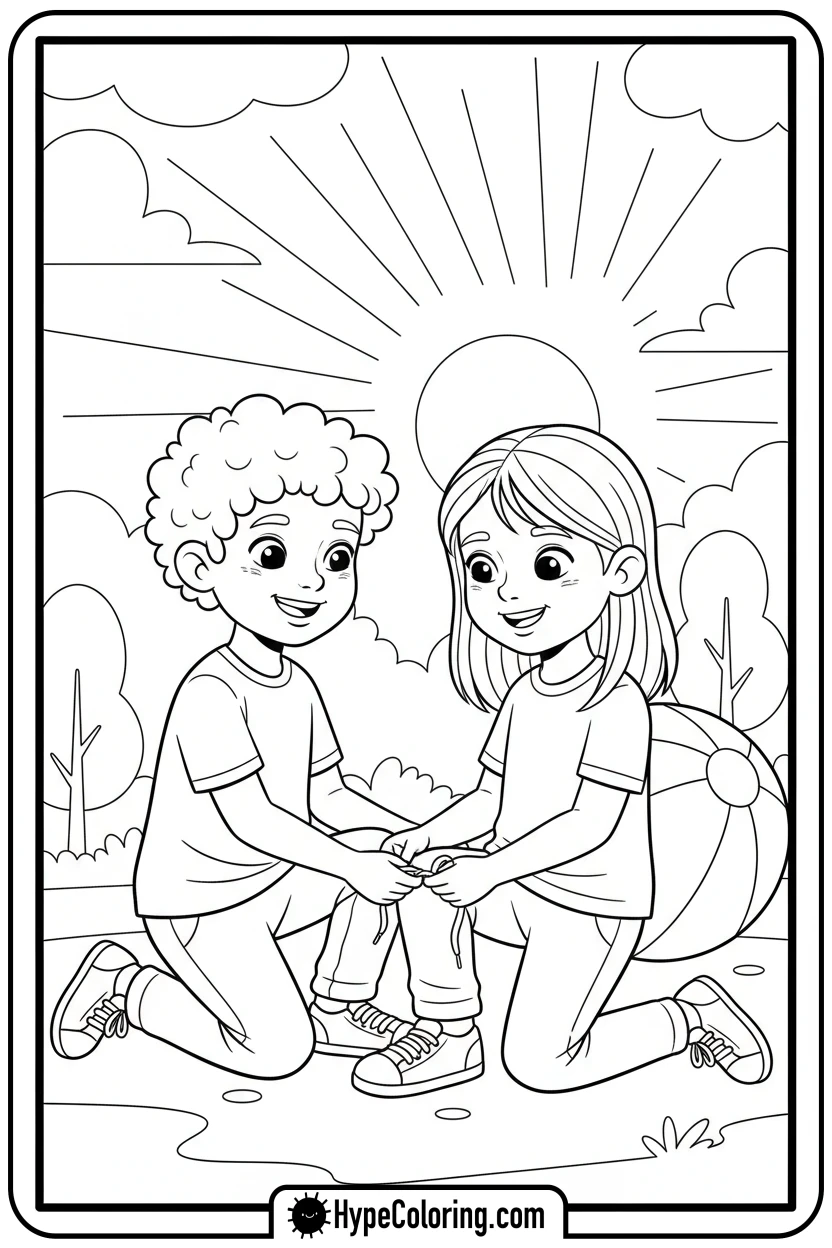
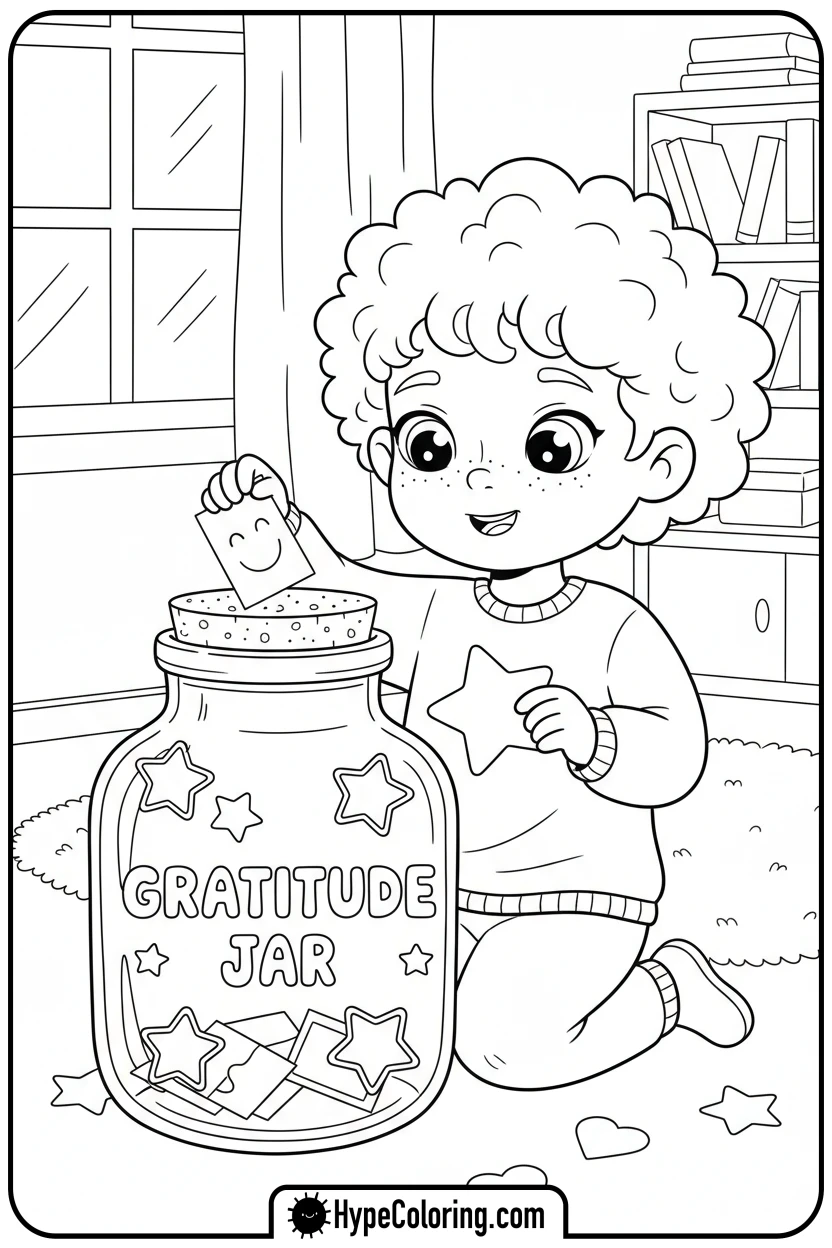
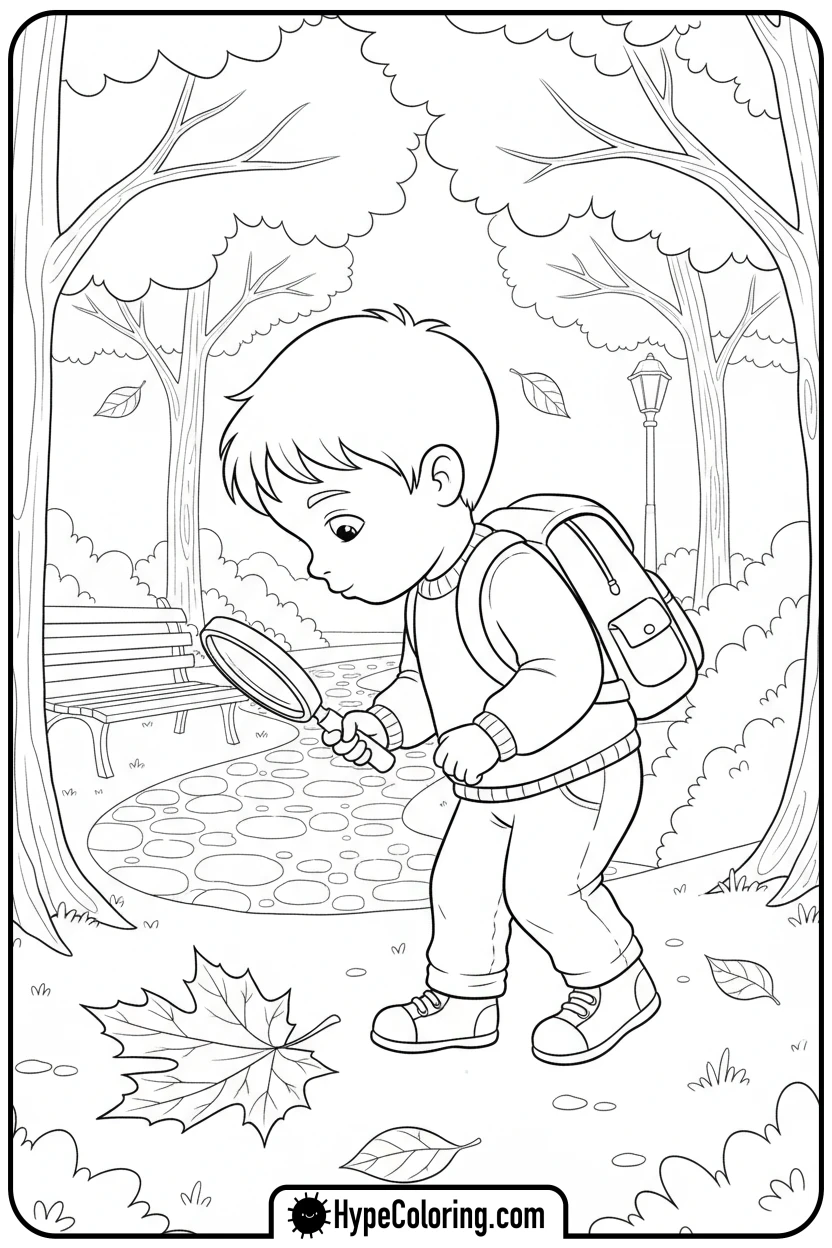
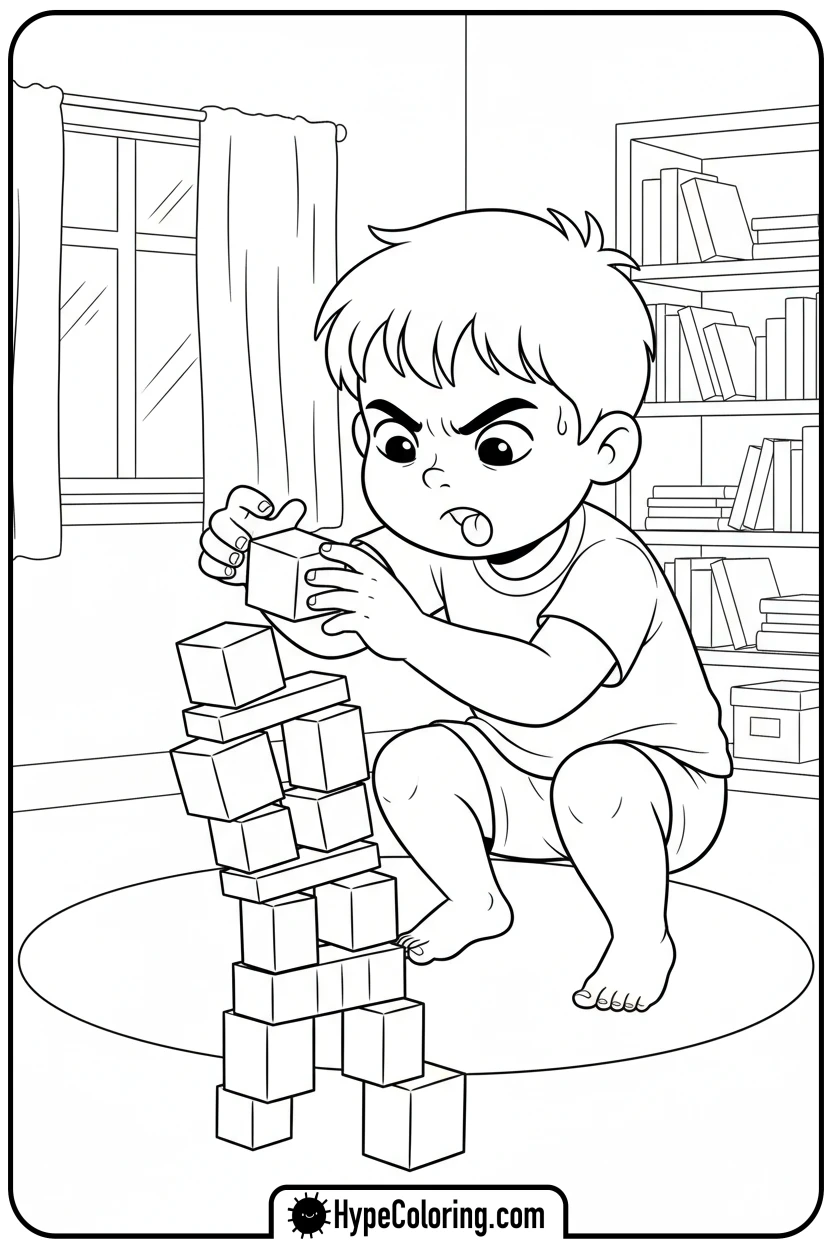
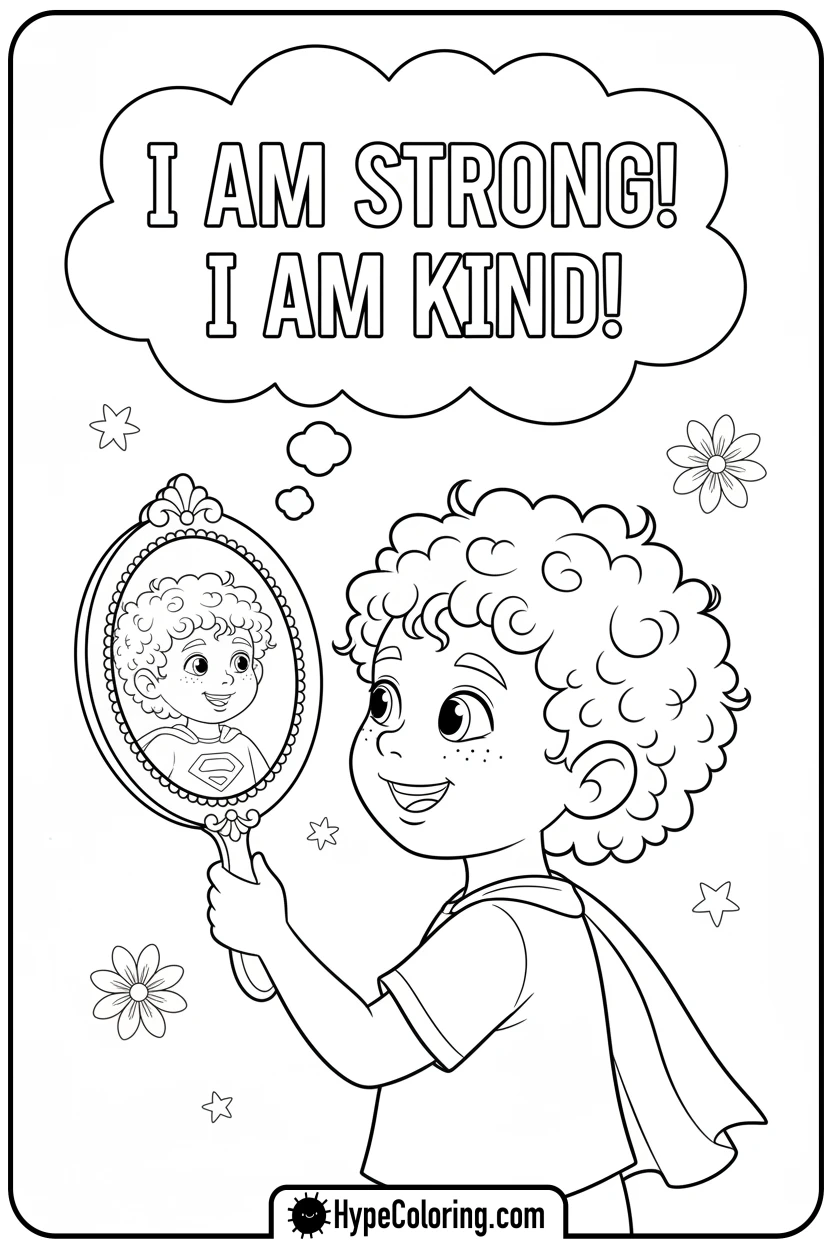

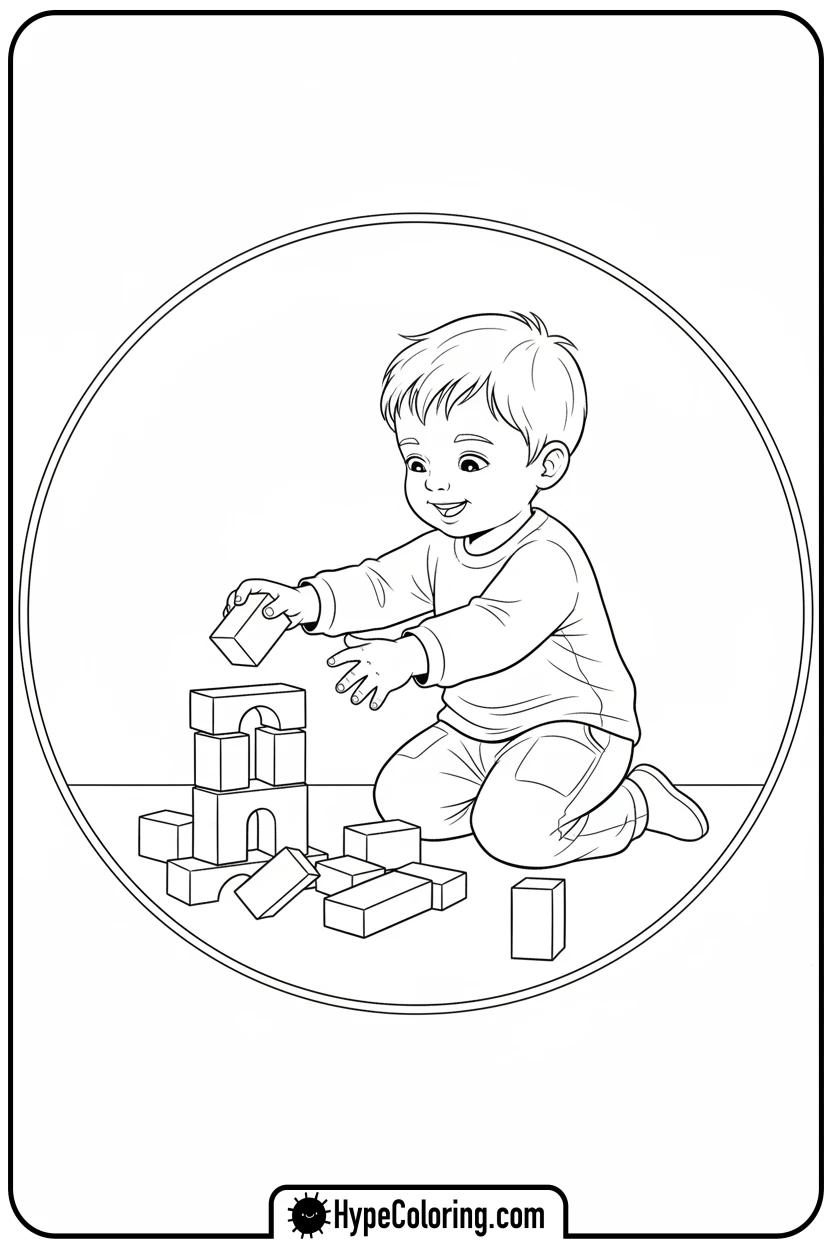
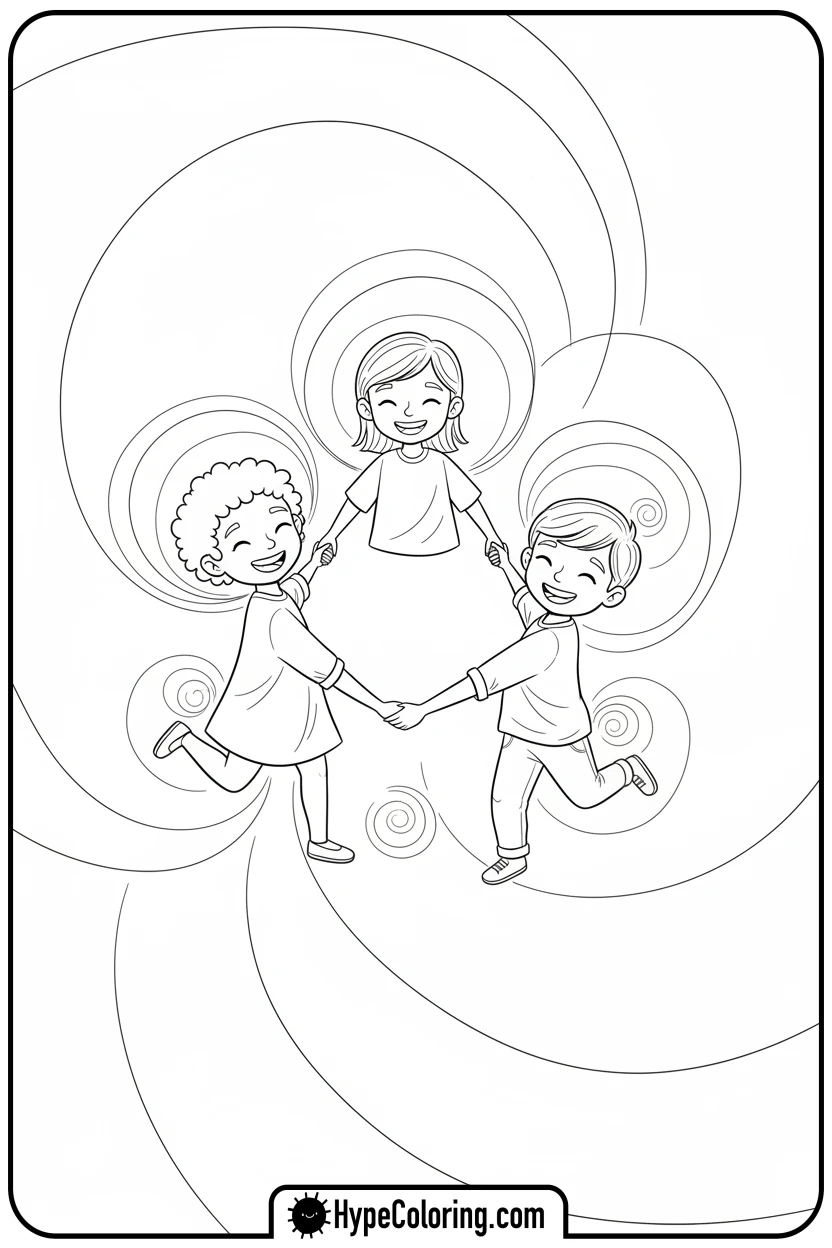
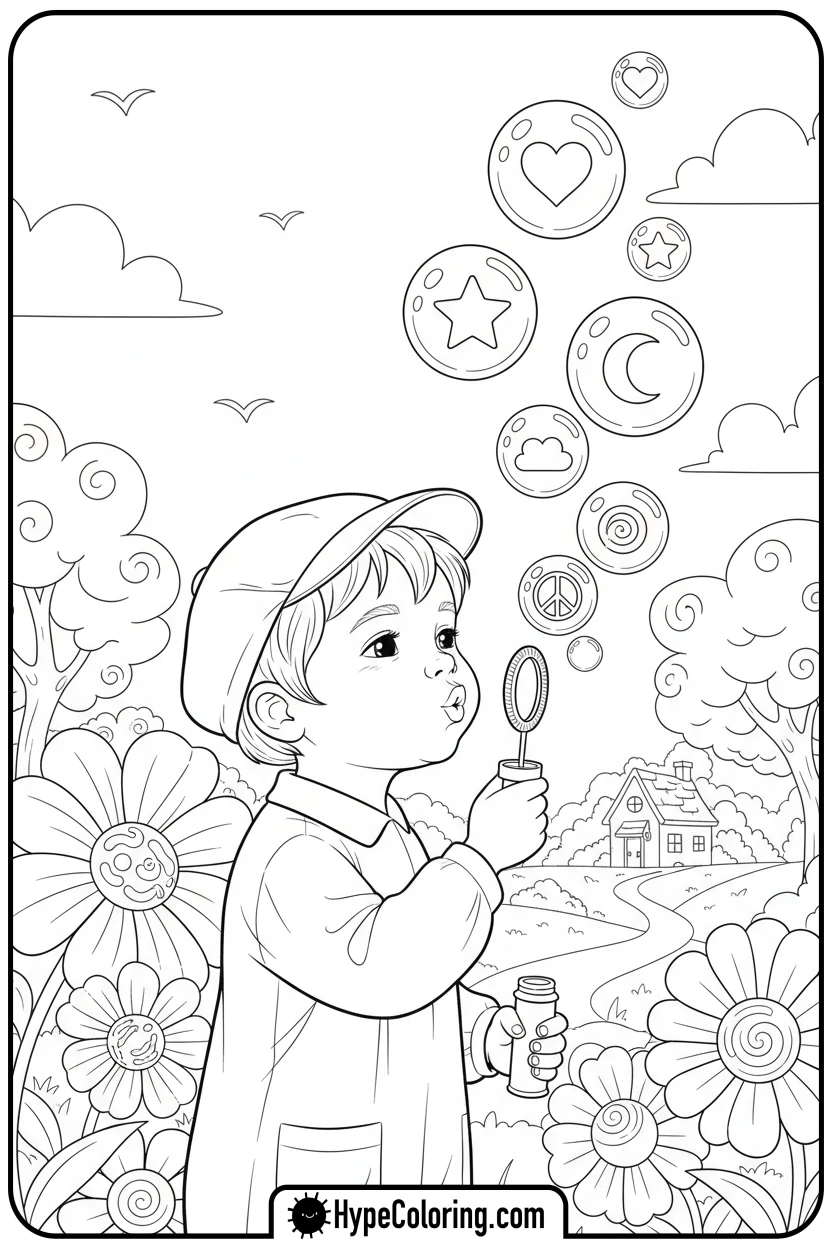
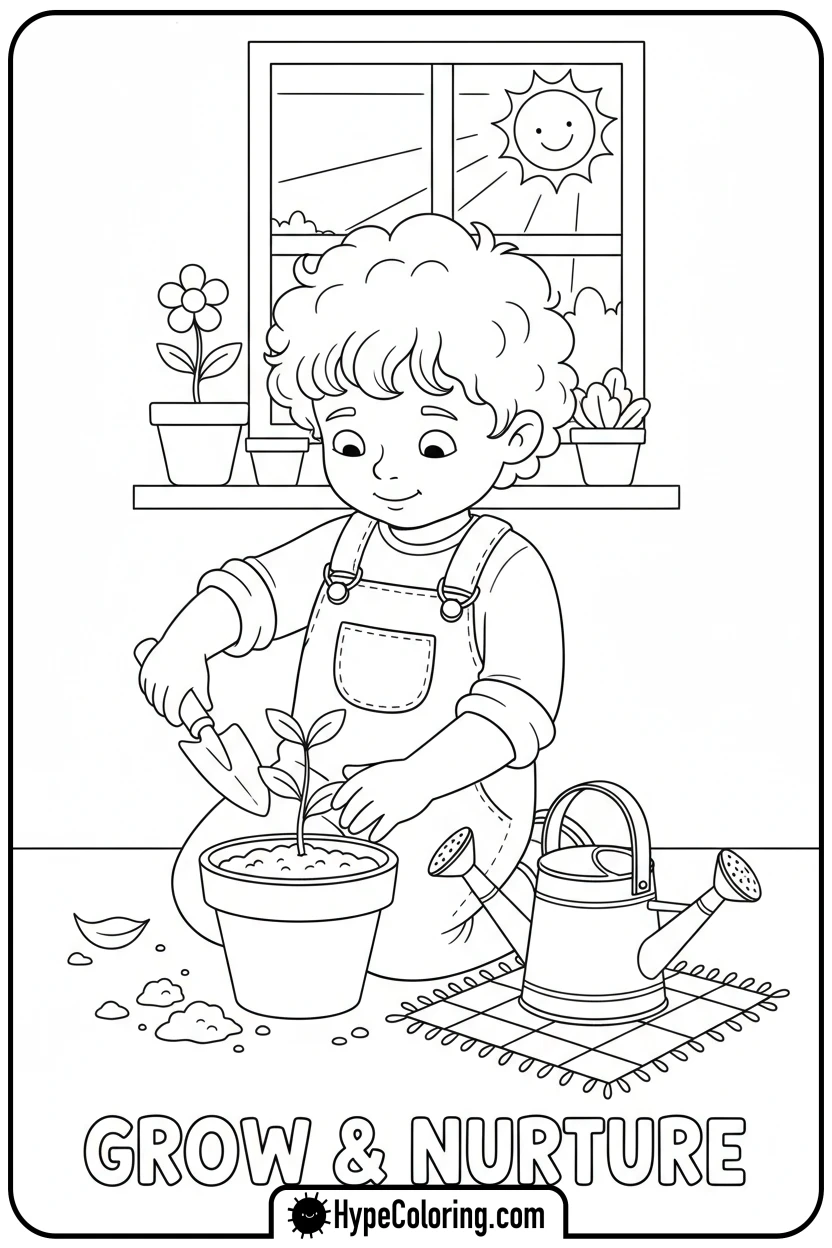
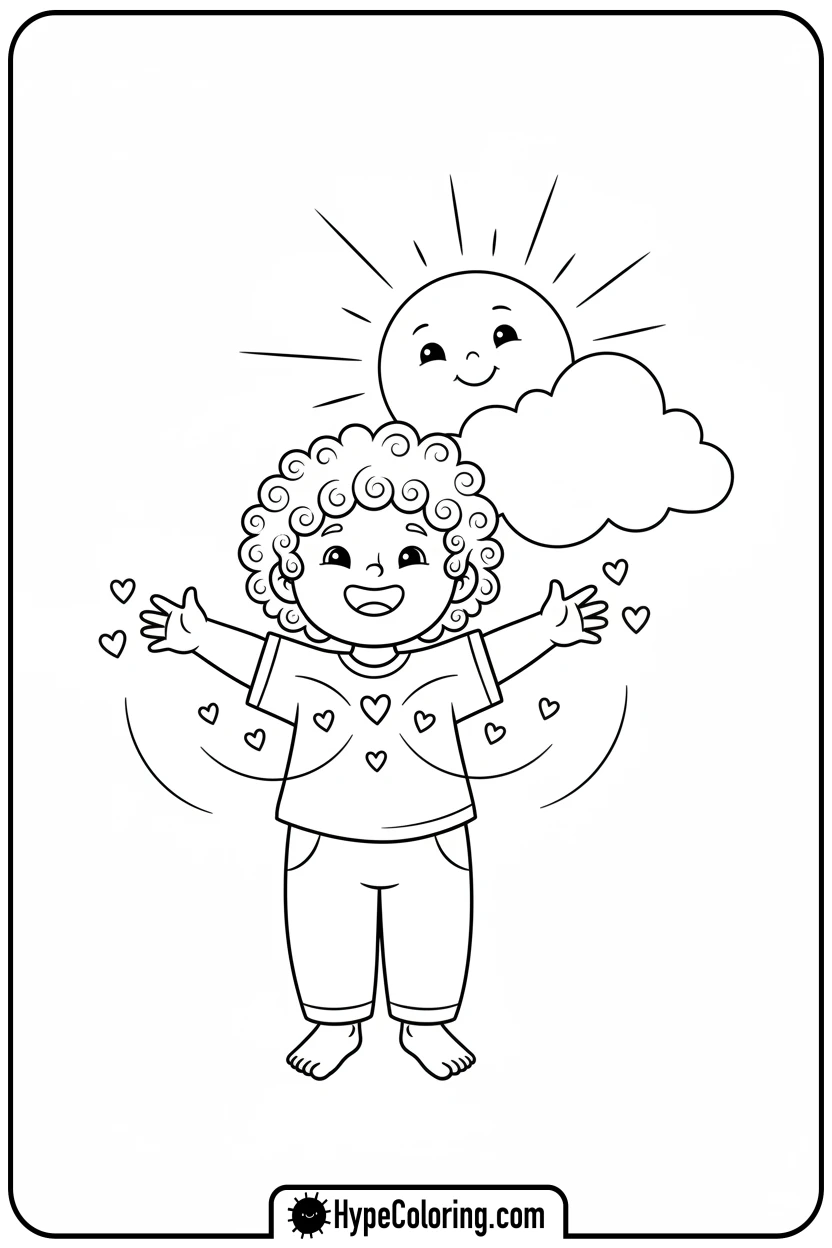
Table of Contents
Exploring Mental Health Coloring Pages Through Themes
Our diverse set of mental health coloring pages is organized into themes that support various aspects of emotional well-being. From fostering mindfulness to encouraging self-expression, each design aims to be an anxiety coloring page, a depression coloring page, or simply a tool for positive self-discovery. These coloring pages are suitable for all ages, offering moments of calm and creativity.
Theme 1: Mindfulness & Calm
Mindfulness is about paying attention to the present moment without judgment. For children, this often looks like engaging their senses, noticing their breath, or simply being still. These designs gently introduce concepts like conscious breathing, connection with nature, and finding peace through simple actions. Learn more about mindfulness techniques for kids and explore breathing exercises for children.
Regular mindfulness coloring can be a powerful tool, particularly for children experiencing anxiety or those who benefit from emotional regulation support. Discover the benefits of mindfulness coloring and find resources on emotional regulation strategies for children.
Mindful Breathing Child
This design (Design #1) features a child practicing a deep, calming breath. You’ll need soft blues and purples for the cloud or flower graphic emerging from their mouth, representing the breath itself. For the child’s skin, use a warm peach or light brown, and choose gentle greens or blues for their clothes.
With colored pencils, focus on creating smooth gradients. Use light pressure for the cloud, gradually building intensity for the child’s clothes. A fact about mindful breathing is that it activates the parasympathetic nervous system, which helps the body calm down and promotes feelings of relaxation. For more on teaching kids mindfulness, resources like Mindful.org offer great guidance. This design is an excellent anxiety coloring page.
Nature Observer
Design #2 shows a child observing a ladybug, and Design #11 depicts a child examining a fallen leaf with a magnifying glass. These designs highlight the calming effect of connecting with nature. For the ladybug, use bright red with black spots, and for the leaf, various shades of autumn colors like deep red, orange, and brown. The surrounding garden and park scenes can be filled with vibrant greens, yellows, and browns.
When using crayons for these mental health coloring pages, experiment with texture. Press lightly for soft grass and use firmer strokes for tree bark or the veins on the leaf. Did you know that spending time in nature can reduce stress hormones like cortisol? These are wonderful PTSD coloring page options for grounding. You can find more ideas on connecting kids with nature at the National Park Service website.
Balancing Act
The child gracefully balancing on one leg (Design #7) and the child blowing bubbles (Design #18) are both wonderful for mindfulness. For the balancing child, use a range of skin tones and bright, flexible colors for their activewear, perhaps a sunny yellow or sky blue. The wavy lines can be soft pastel blues, greens, and purples. For the bubbles, iridescent colors like light pink, blue, and yellow with white highlights work best.
Markers are perfect for bubbles; use a very light touch or even a white marker for highlights to give them a translucent quality. Balance exercises, often found in practices like yoga, help children develop body awareness and focus, which are key components of emotional regulation. These specific mental health coloring pages can also serve as an ADHD coloring page by encouraging sustained focus.
Theme 2: Emotional Expression & Self-Discovery
Encouraging children to express themselves and understand their inner world is fundamental to their mental health. These designs celebrate creativity, communication, and building a positive self-image, offering emotional regulation support and fostering kids’ emotional intelligence.
Joyful Creator
Design #3 shows a child happily painting. Use a wide array of bright, joyful colors for the painting on the easel – think bold reds, yellows, and blues for a truly vibrant picture. The child’s smock can be a neutral color like beige or light gray, allowing the paint splatters to stand out in contrasting hues.
To get those lively paint splatters with colored pencils, use short, quick strokes of different colors over the smock. Creative activities, like painting, allow children to process emotions and develop problem-solving skills without words. This makes it an excellent depression coloring page choice.
Communicating Feelings
Two children talking and listening (Design #4) emphasizes the importance of communication. Color their clothes in complementary colors, such as a warm orange and a cool blue, to symbolize connection. The speech bubbles can be light gray or white, with simple, clearly colored emojis inside – a bright yellow for happy, a light blue for slightly sad.
When using markers, ensure crisp lines for the speech bubbles and emojis to make them stand out. The ability to express feelings and listen to others is a cornerstone of kids’ emotional intelligence. These mental health coloring pages help normalize discussions around emotions.
Positive Affirmations
Design #14 features a child looking into a mirror, seeing a confident reflection with positive affirmations. Use cheerful, bright colors for the child’s clothes and the frame of the mirror, perhaps a shiny gold or silver. The thought bubble can be a soft, dreamy cloud-like blue, with the words “I am kind!” or “I am strong!” in clear, bold colors like purple or green.
For an interesting effect with crayons, use a white crayon over the mirror’s surface before coloring with a very light gray to give it a reflective sheen. Practicing positive self-talk, often encouraged in “Sadie & the Stinkweeds Coloring Club” activities, can significantly boost self-esteem and resilience against feelings of depression.
Theme 3: Self-Care & Healthy Habits
Nurturing oneself through good habits and comfort is vital for mental well-being. These mental health coloring pages illustrate the importance of rest, healthy eating, finding comfort, and engaging in calming activities like reading.
Peaceful Rest
The child tucked snugly into bed (Design #5) highlights the importance of sleep. Use muted, calming colors for the bedroom scene – soft blues, grays, and lavenders for the walls and blanket. The moon and stars can be silver and yellow, casting a gentle glow.
With colored pencils, blend colors softly to create a peaceful, dreamlike atmosphere. Good sleep is crucial for emotional regulation and cognitive function, helping children cope with stress. This design makes a soothing anxiety coloring page. For tips on healthy sleep habits for children, the American Academy of Pediatrics offers valuable resources.
Nourishing Body
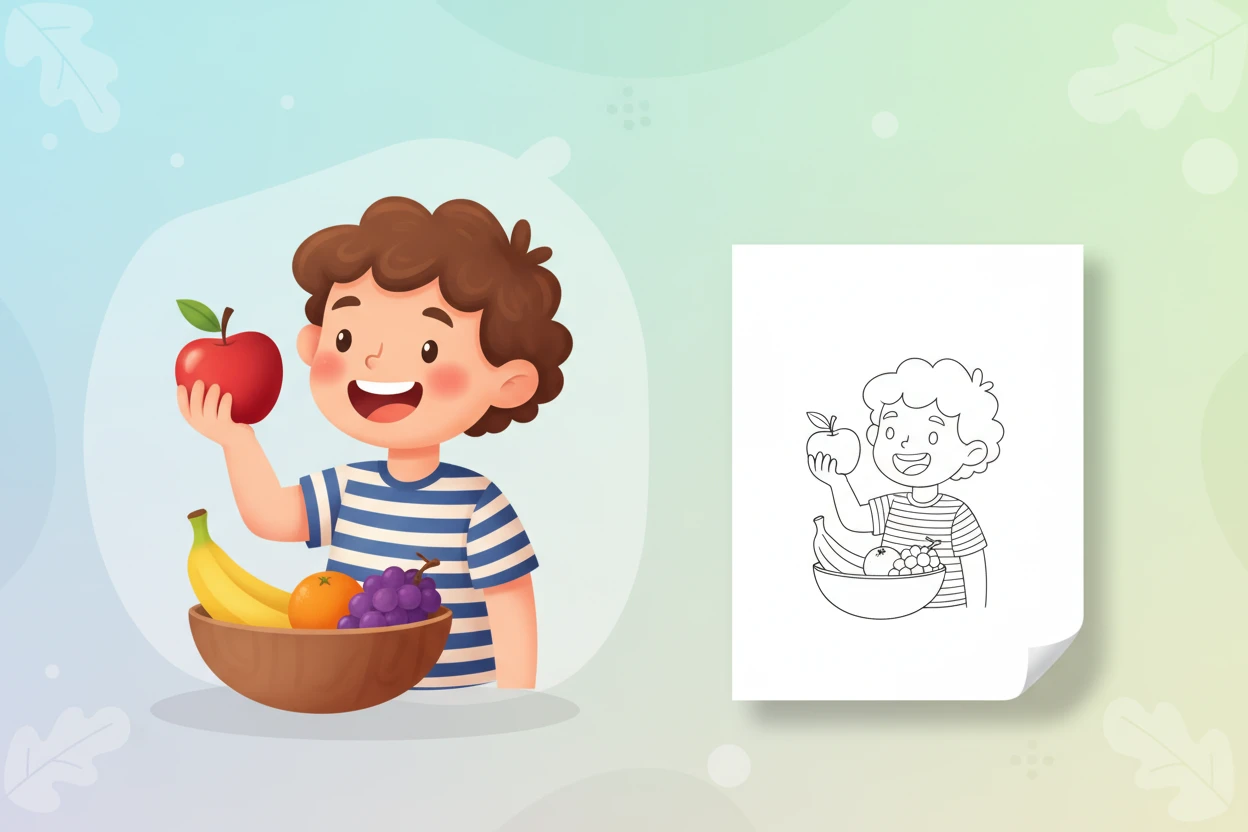
Design #6, showing a child with healthy fruits, underscores healthy eating. Make the apple a vibrant red or green, the banana a cheerful yellow, and the orange a bright, juicy hue. The child’s clothes can be simple and comfortable, perhaps a soft green or blue.
For fruits, try layering with crayons to add depth – a darker red at the bottom of the apple, blending to lighter red at the top. Eating nutritious food provides the body and brain with the energy needed to manage emotions and maintain focus, benefiting children who may struggle with ADHD.
Comfort & Connection
The child hugging a teddy bear (Design #15) represents comfort and emotional support. Color the teddy bear in warm, inviting browns or creams, and the child’s pajamas in soft pastels. A small, gentle heart floating above them can be a tender pink or red.
When using markers, ensure smooth, even coverage for the teddy bear’s fur to make it look soft and cuddly. Holding a cherished object can provide immense emotional regulation support, especially during moments of anxiety or sadness. This design is also reminiscent of comforting themes often explored in art therapy vibes settings.
Theme 4: Resilience & Positive Mindset
Life inevitably brings challenges, and learning to navigate them with a positive outlook is a key mental health skill. These mental health coloring pages focus on gratitude, determination, rebuilding after setbacks, and embracing optimism.
Gratitude Jar
Design #10, the child decorating a “Gratitude Jar,” is all about cultivating appreciation. The jar itself can be clear glass, achieved with very light blues and grays, or decorated with colorful stars and hearts in bright, happy colors like yellow, pink, and purple. The slip of paper can be white with a smiley face in black and yellow.
With colored pencils, use a stippling technique for the stars and hearts to give them a textured, celebratory feel. Practicing gratitude has been shown to improve mood and reduce symptoms associated with depression. This is a powerful depression coloring page. You can find more about the benefits of gratitude at the Greater Good Science Center.
Focused Determination
The child intensely focused on building a block tower (Design #13) and the child rebuilding a toppled block stack (Design #16) both illustrate concentration and resilience. Use a variety of bright, primary colors for the blocks – red, blue, yellow, green – to show their playful nature. The child’s clothing can be simple, allowing focus on their determined expression.
For blocks, use markers for bold, distinct colors and crisp edges. These designs are excellent ADHD coloring page options, as they encourage sustained attention and problem-solving. Rebuilding after a setback teaches valuable lessons in resilience, a core component of emotional regulation support.
Rays of Happiness
Design #20 features a child smiling brightly at the sun, emanating happiness. Use vibrant yellows and oranges for the sun and its rays, a clear blue for the sky, and cheerful, bright colors for the child’s clothes. The child’s skin tone can be a warm peach or light brown.
With crayons, press firmly for the sun’s rays to make them glow, then use a lighter touch for the surrounding sky. Embracing optimism and finding joy in simple moments can significantly counter feelings of depression and anxiety, making this a wonderful mental health coloring page.
Theme 5: Connection & Nurturing Growth
Building healthy relationships and understanding the concept of growth, both personal and environmental, are crucial for a child’s holistic well-being. These designs highlight kindness, community, and the nurturing process.
Acts of Kindness
The child helping another tie a shoelace (Design #9) embodies kindness and connection. Color their clothes in cheerful, contrasting colors. The shoelaces can be bright, perhaps red or blue, to draw attention to the helpful act. The playful ball in the background can be multi-colored.
When using markers, keep the lines clean and crisp for the shoelaces and ball. Acts of kindness foster empathy and strengthen social bonds, boosting kids’ emotional intelligence.
Community Circle
Design #17, a group of children holding hands, symbolizes community and belonging. Use a diverse palette of skin tones and clothing colors to represent the children’s individuality within the group. The wavy lines radiating outwards can be gentle, connecting colors like light green, blue, and yellow.
For this mental health coloring page, try using colored pencils to blend the different skin tones smoothly. Feeling connected to a community provides emotional regulation support and reduces feelings of isolation, which can be particularly helpful for children experiencing depression.
Nurturing Life
The child planting a seedling (Design #19) represents growth, patience, and responsibility. The seedling can be a delicate light green, the soil a rich brown, and the pot a warm terracotta or a painted ceramic color. The watering can can be a bright blue or green.
With crayons, use varied pressure for the soil to give it a textured look, and a very light touch for the delicate seedling leaves. Nurturing a plant teaches children about growth, patience, and the rewards of caring for something, reflecting personal growth and resilience.
Creative Activity Idea: “My Emotional Garden” Display
Once your child has colored several mental health coloring pages, particularly those related to nature, growth, or self-expression, encourage them to create an “Emotional Garden” display. They can cut out their favorite colored designs (like the child observing a ladybug, the child planting a seedling, or the gratitude jar) and arrange them on a large piece of poster board. They can draw connecting paths, additional flowers, or even add their own written affirmations. This activity allows them to visualize their emotional tools and achievements, reinforcing the positive messages from these mental health coloring pages.
This collection of mental health coloring pages offers a valuable resource for guiding children through their emotional landscape. We hope these pages provide many moments of calm, creativity, and self-discovery.