We offer a wide collection of free, high-quality printable coloring pages for kids and adults. From cute animals to intricate mandalas, our designs bring creativity and relaxation to everyone. Download, print, and start coloring today!
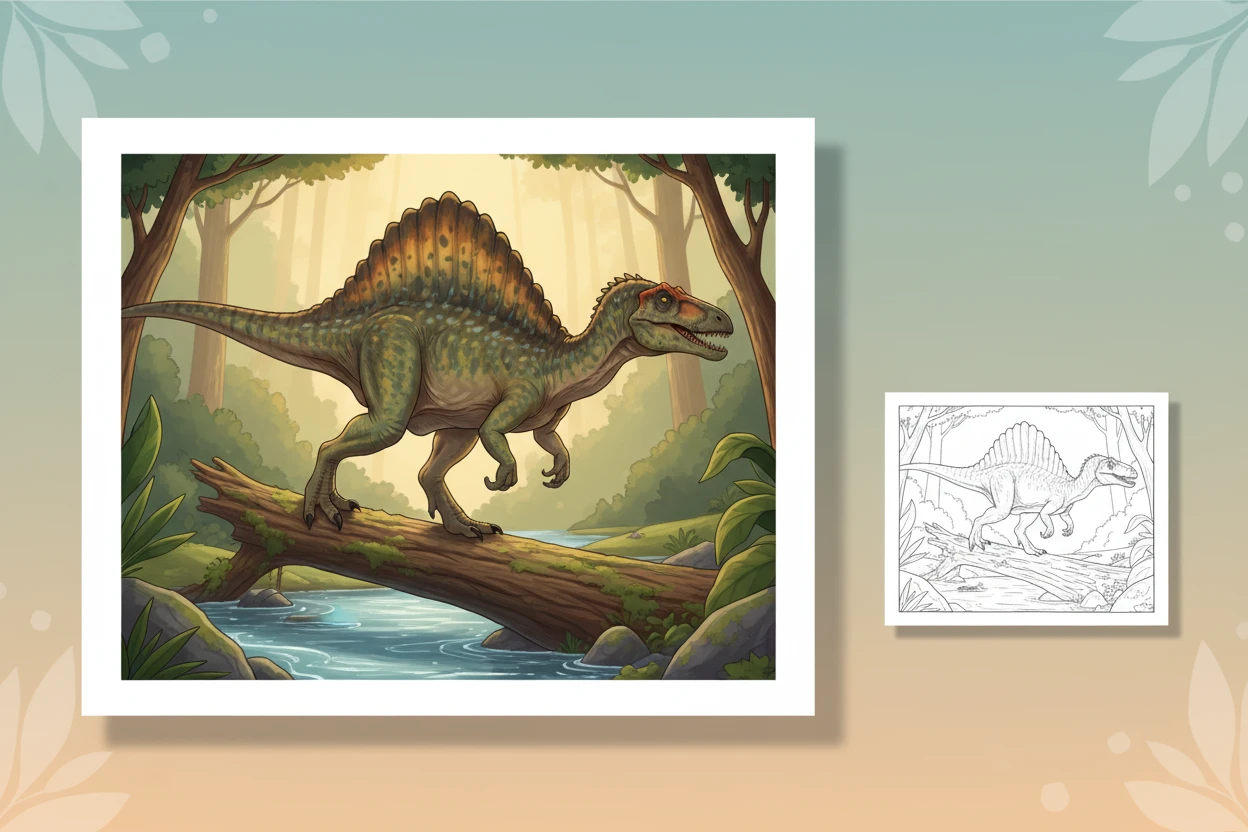
This collection of 20 unique spinosaurus coloring page designs offers an incredible journey into the world of this magnificent aquatic predator. Whether you’re a young dinosaur enthusiast eager to learn or an adult seeking a realistic spinosaurus coloring page challenge, these printable sheets provide a captivating blend of scientific detail and imaginative scenes, perfect for bringing the Cretaceous period to life with your favorite colors.
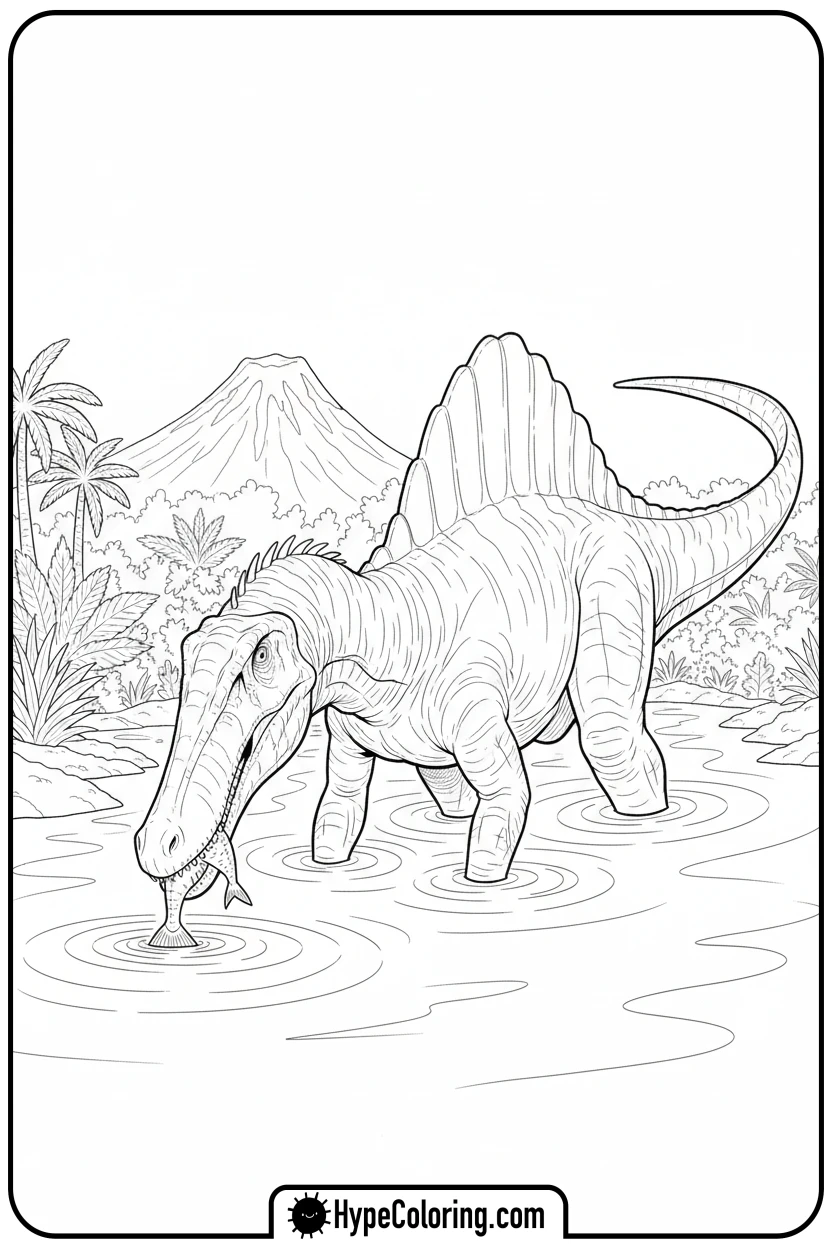
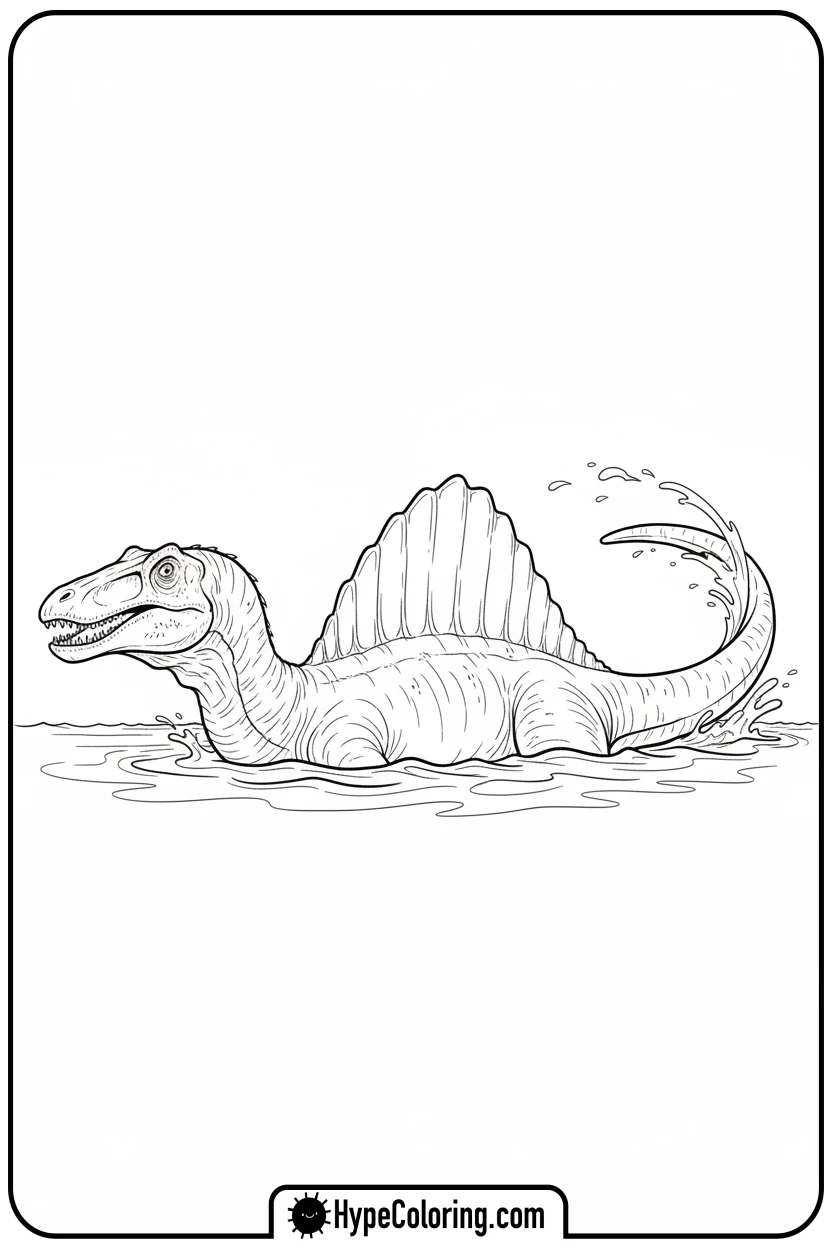
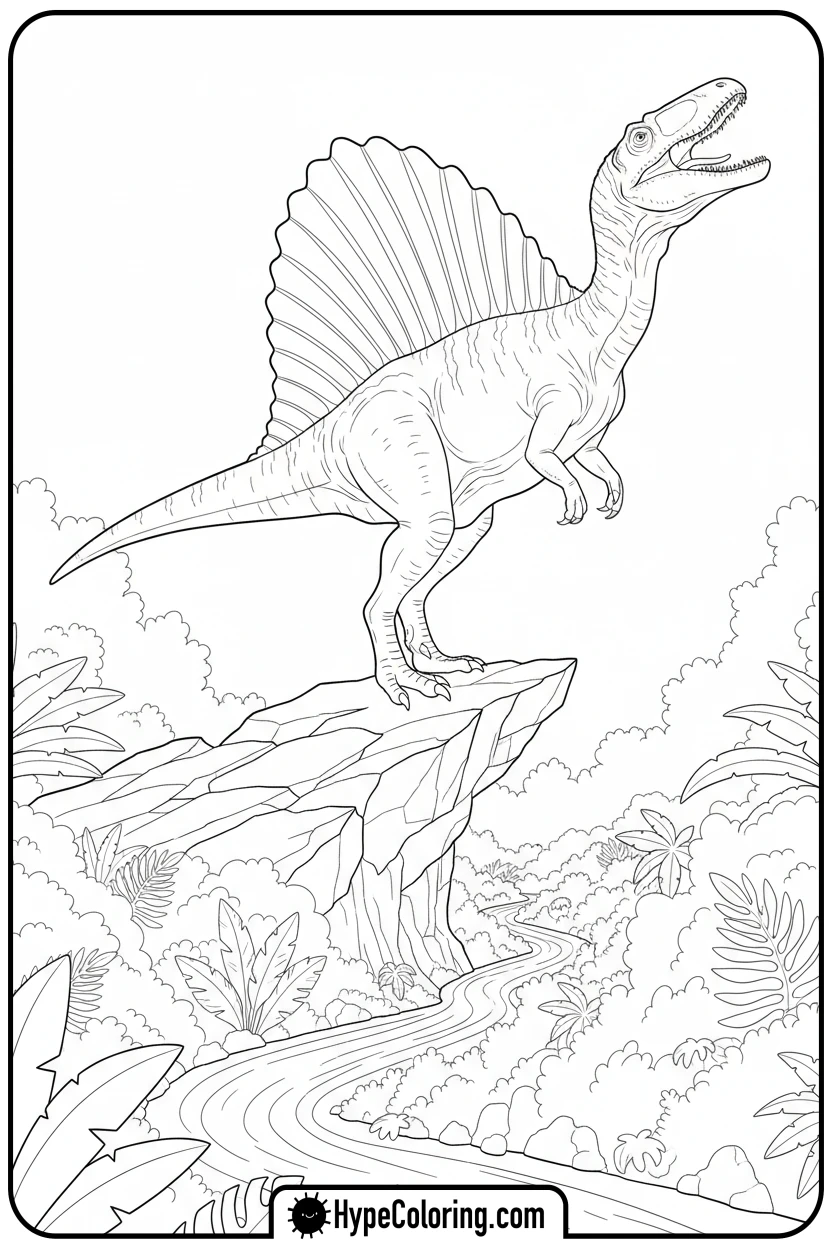
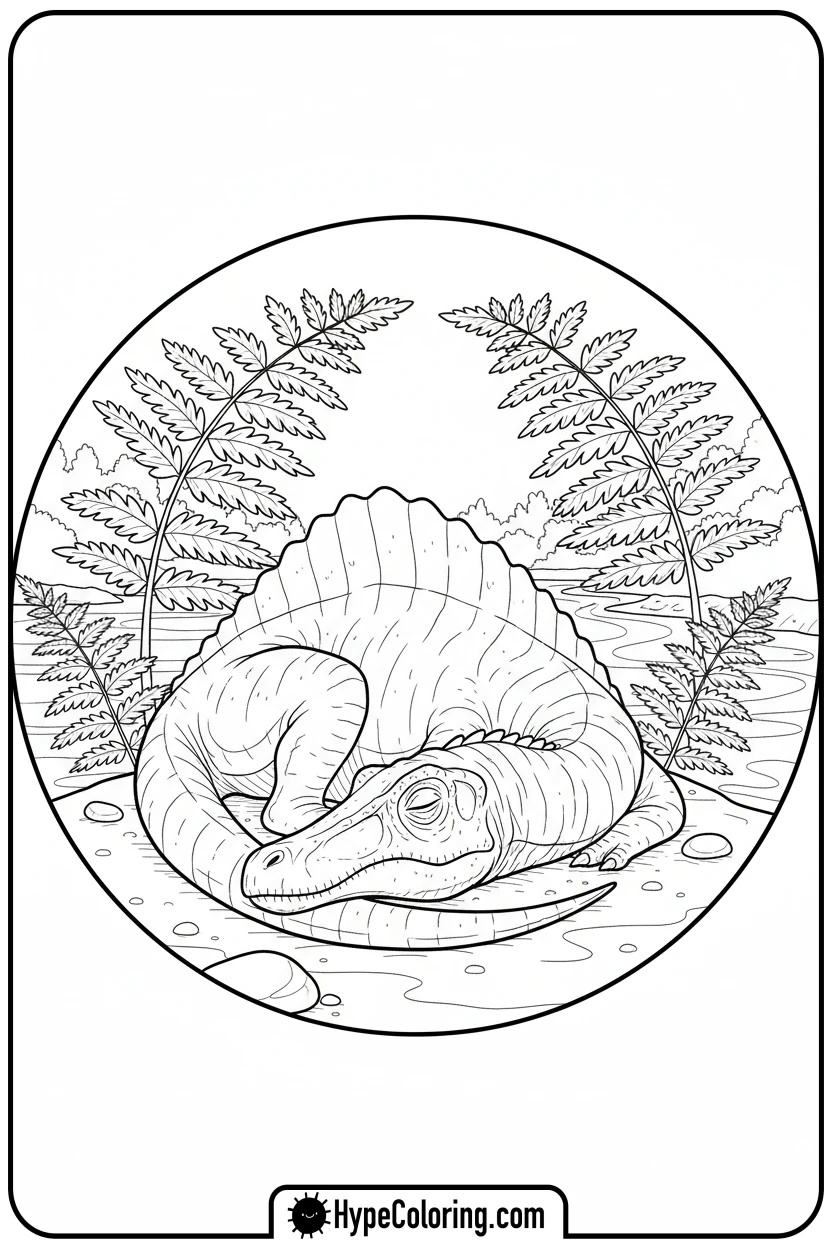
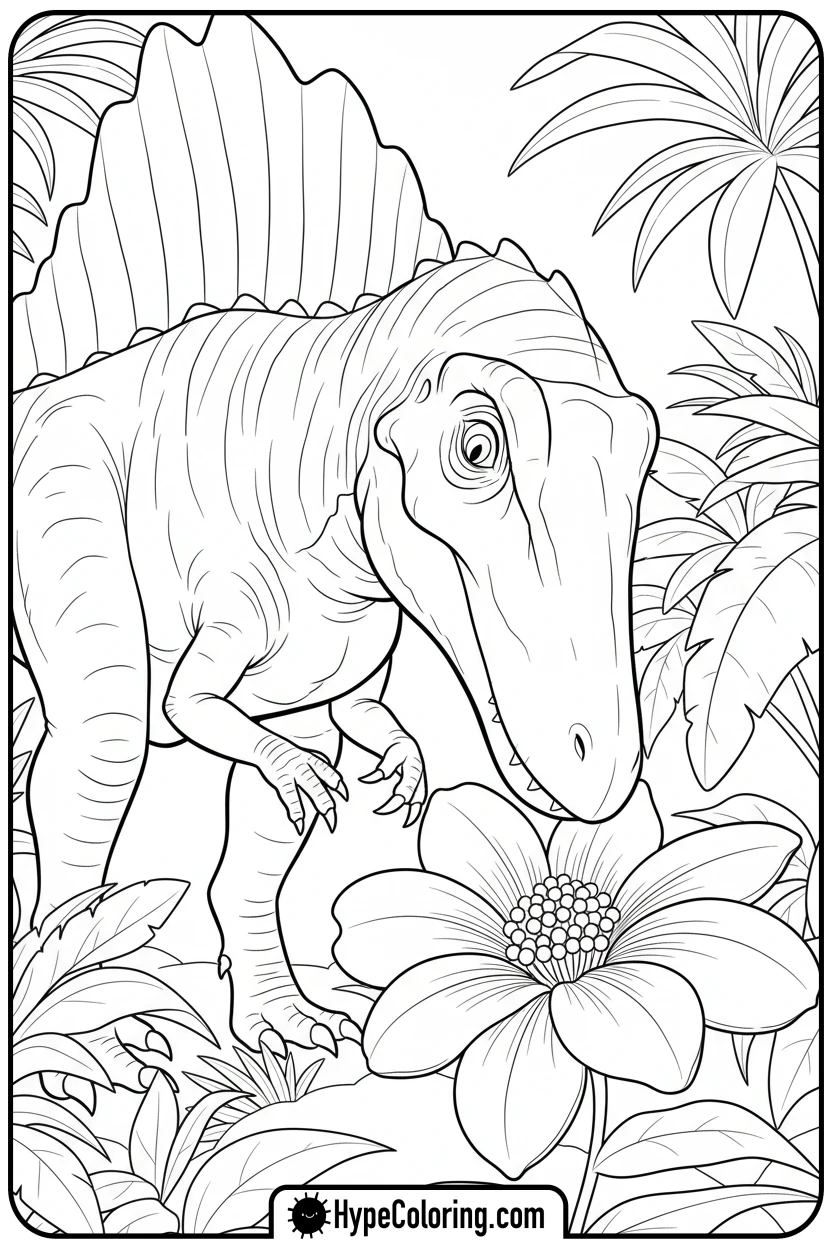
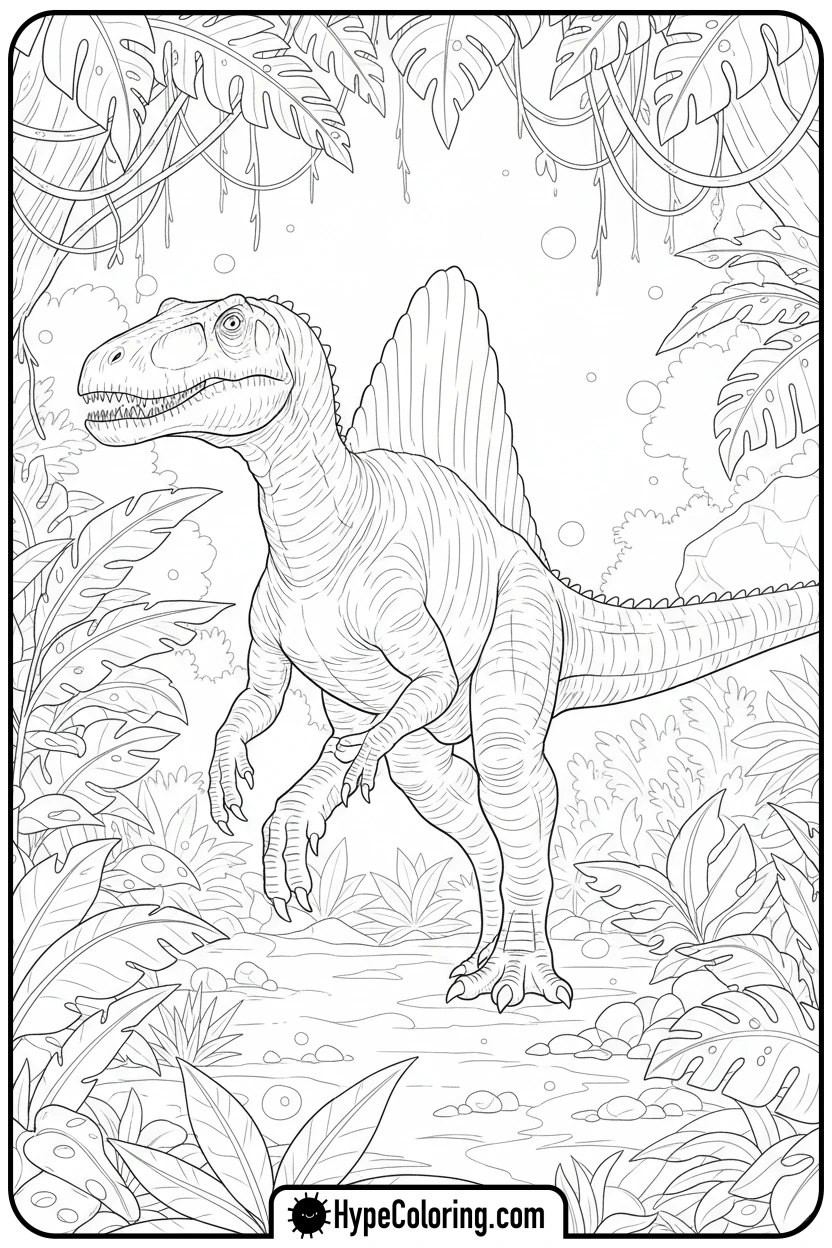
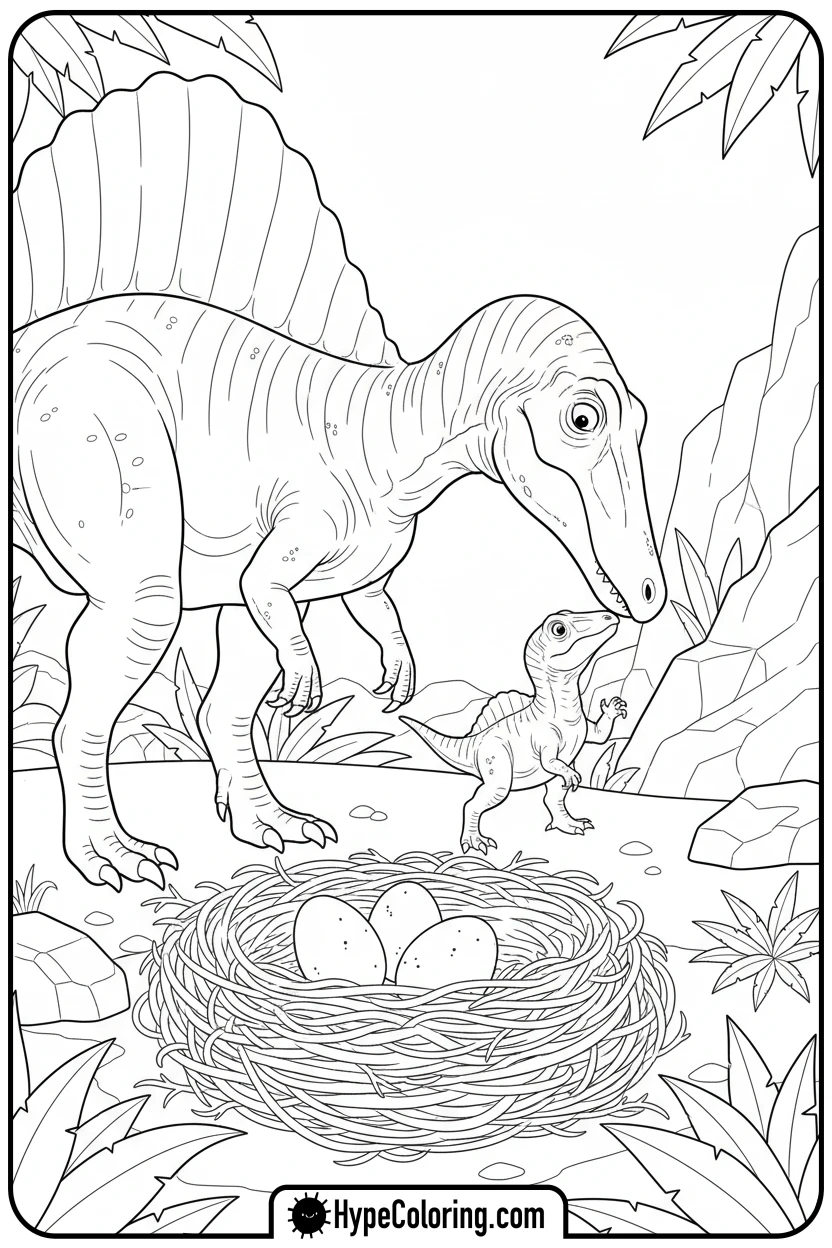
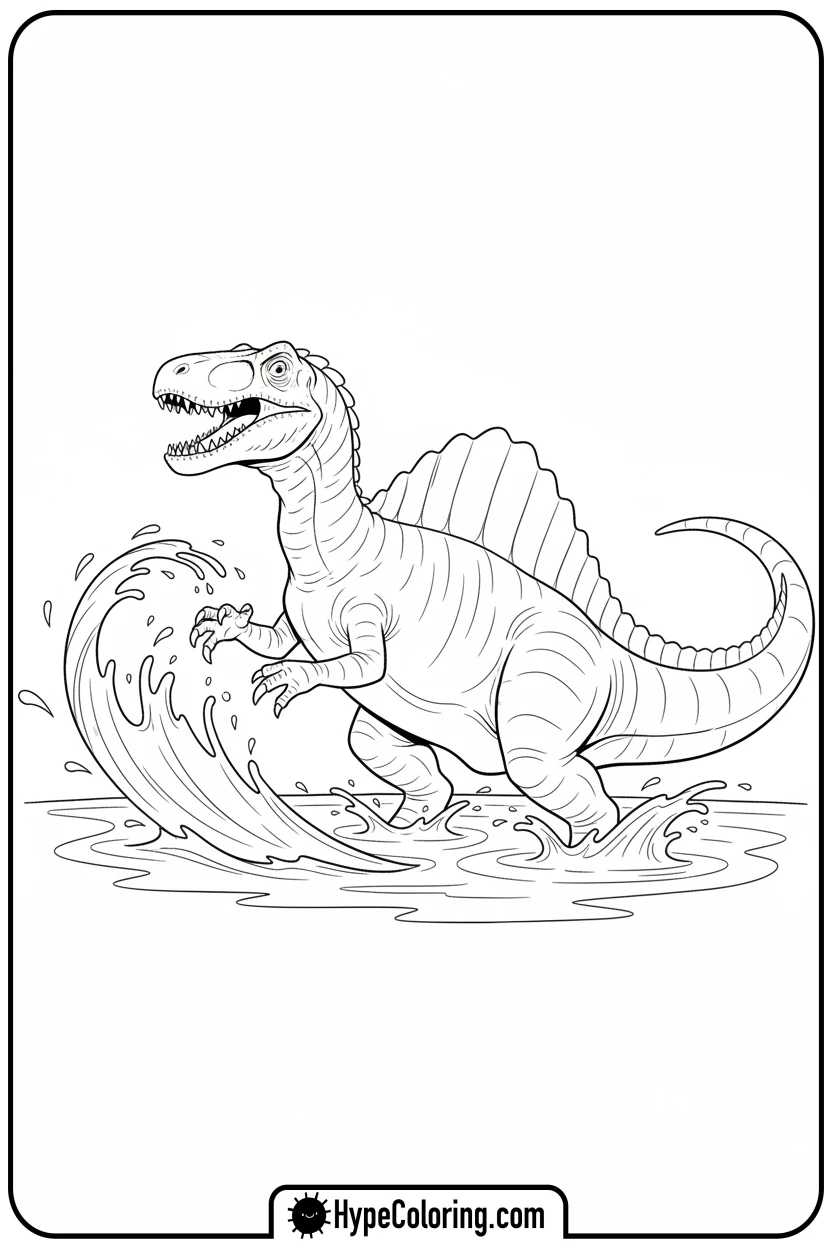
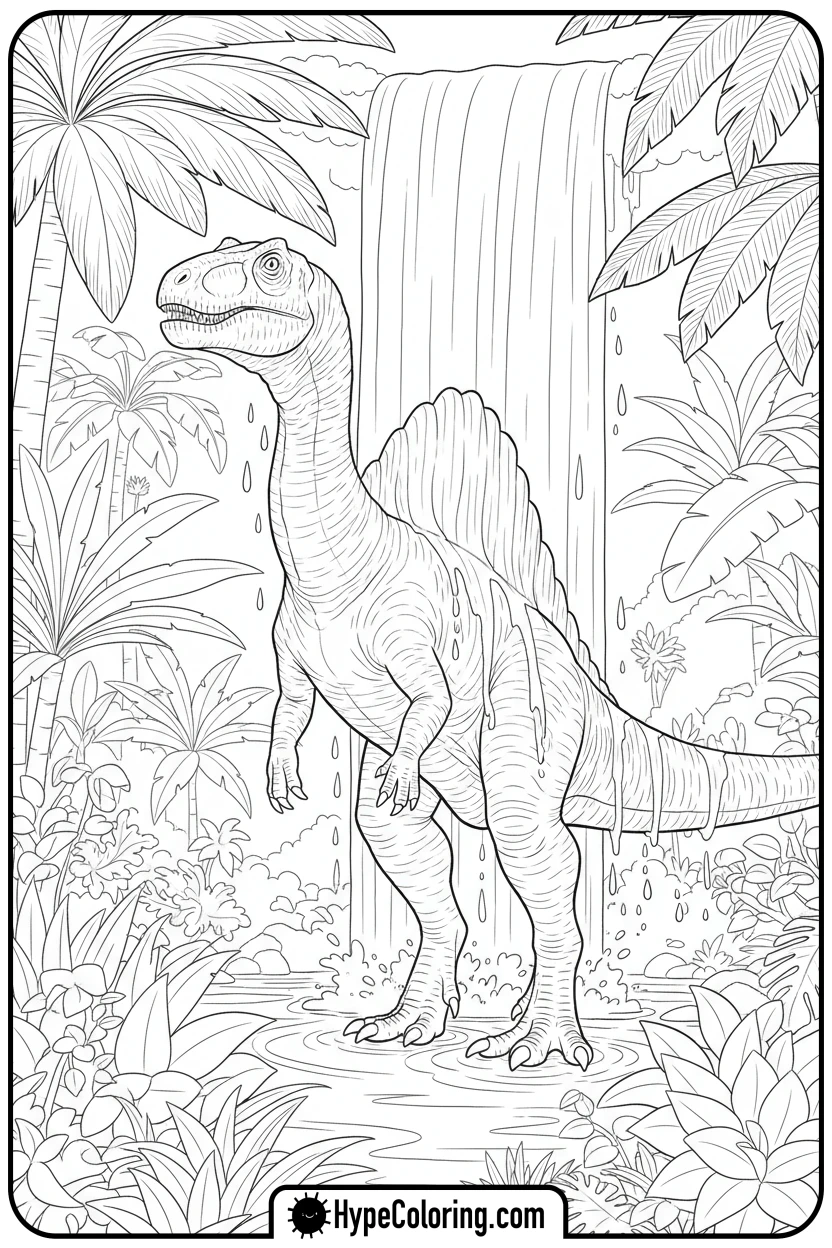
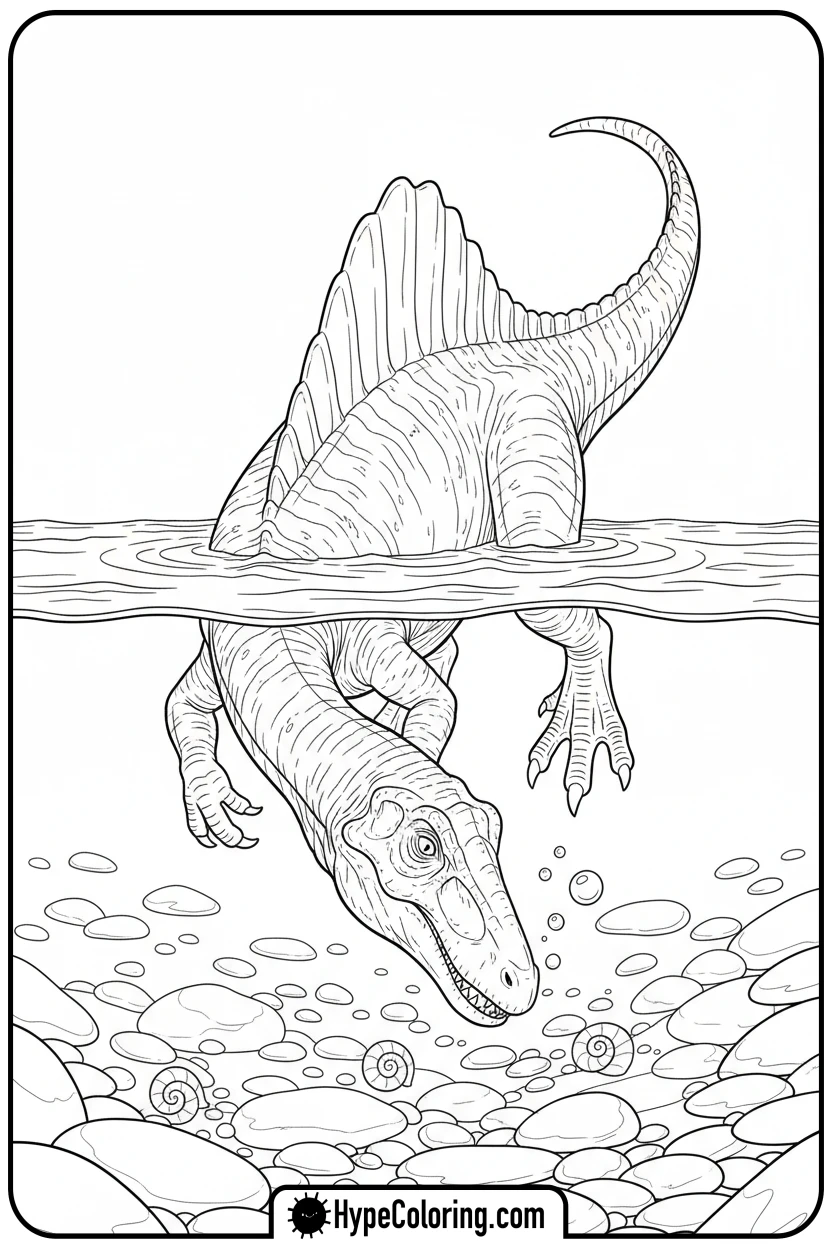
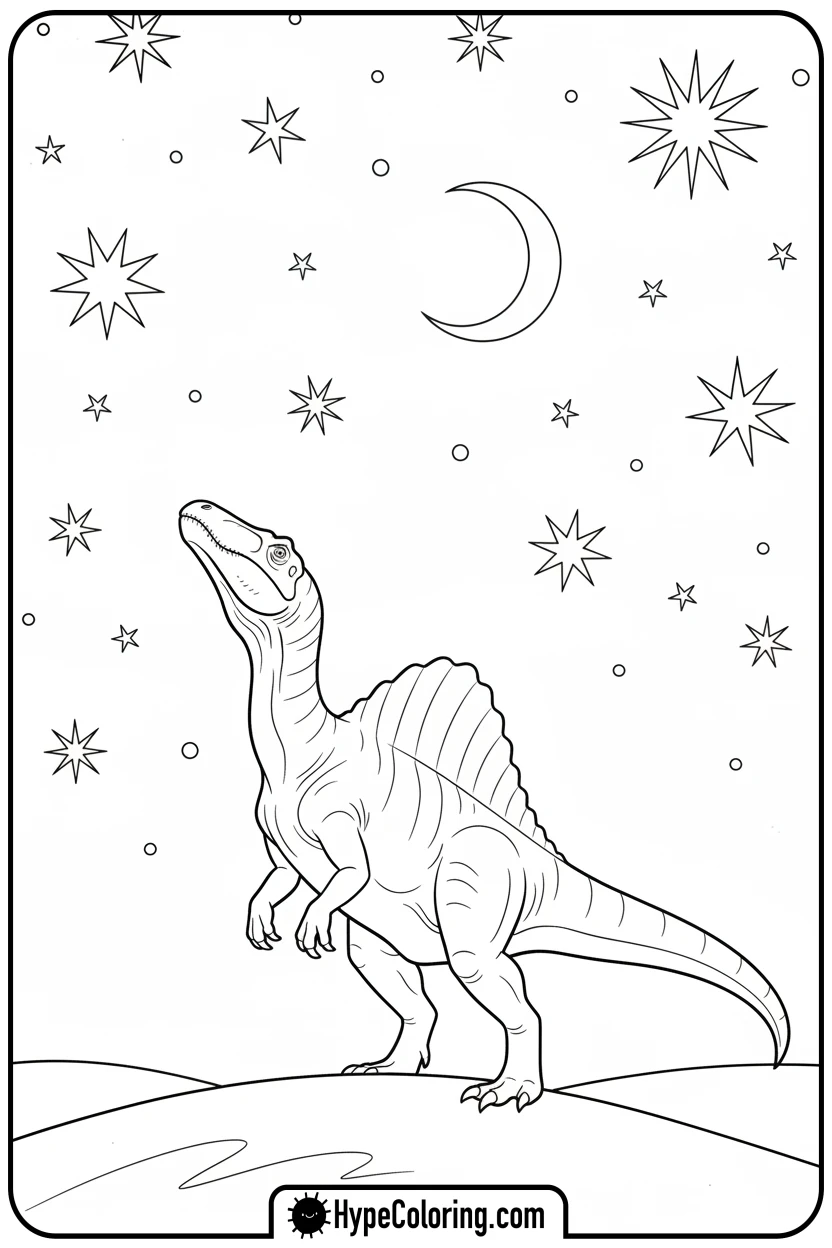
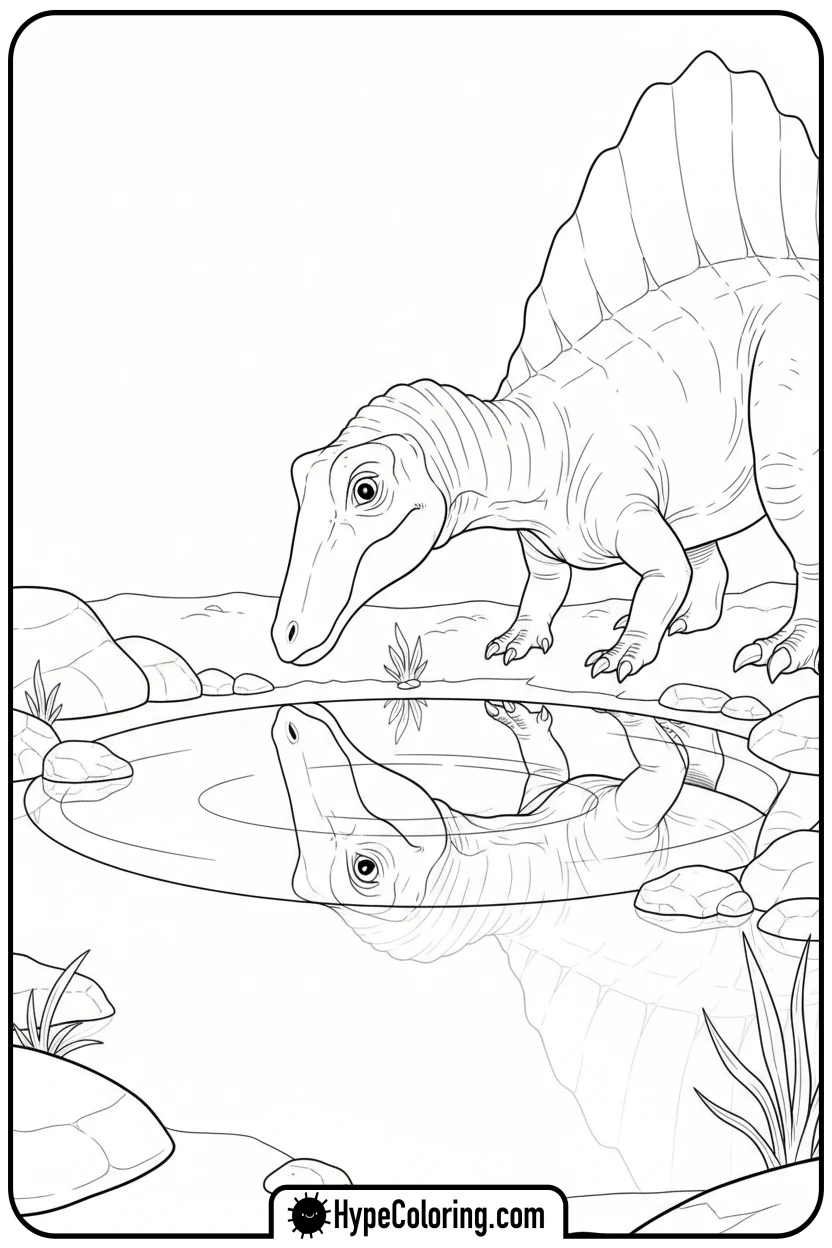
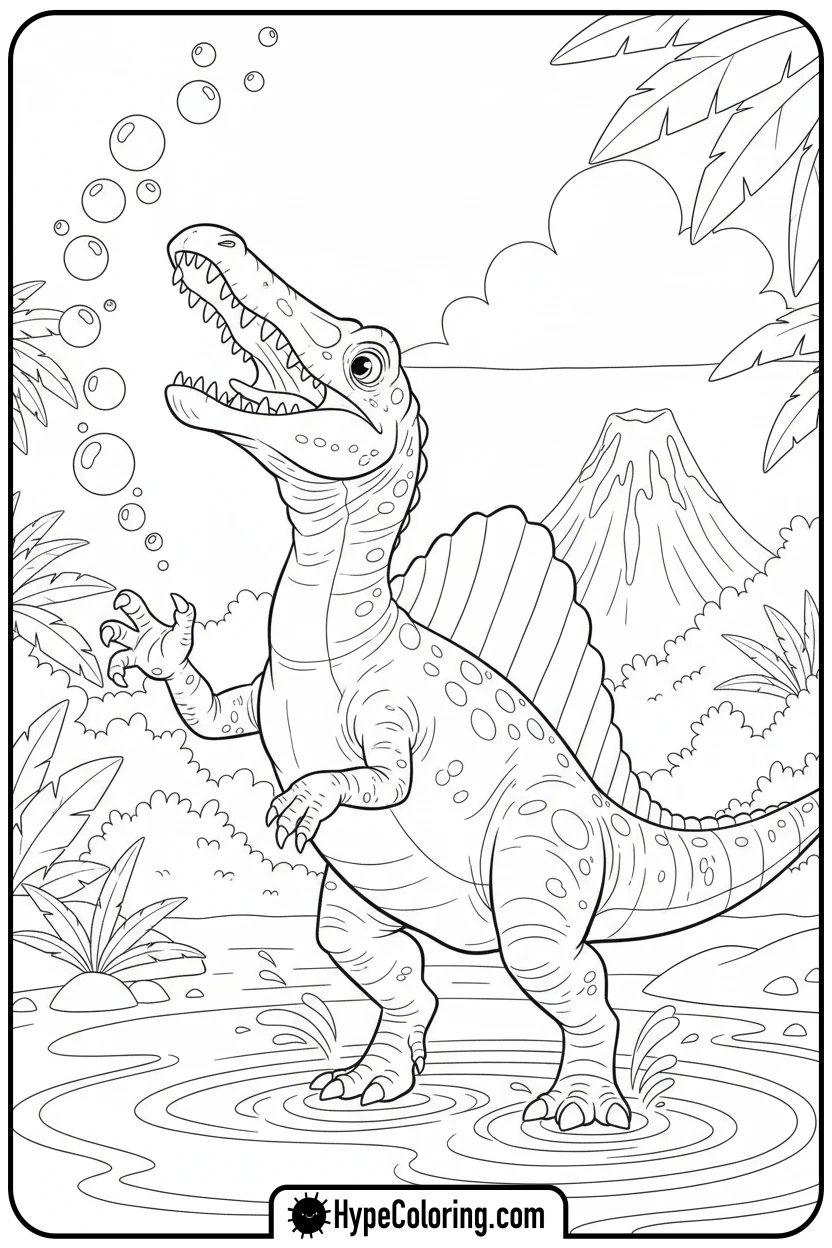
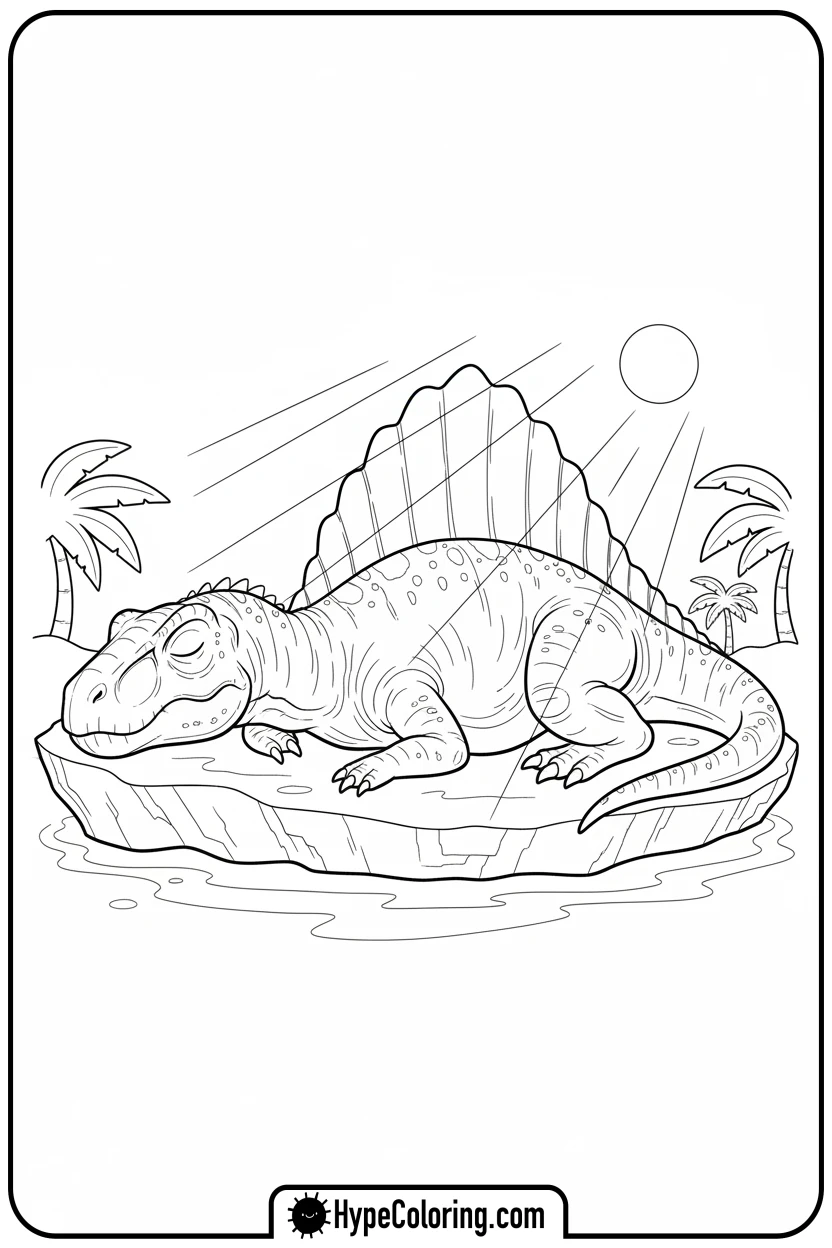
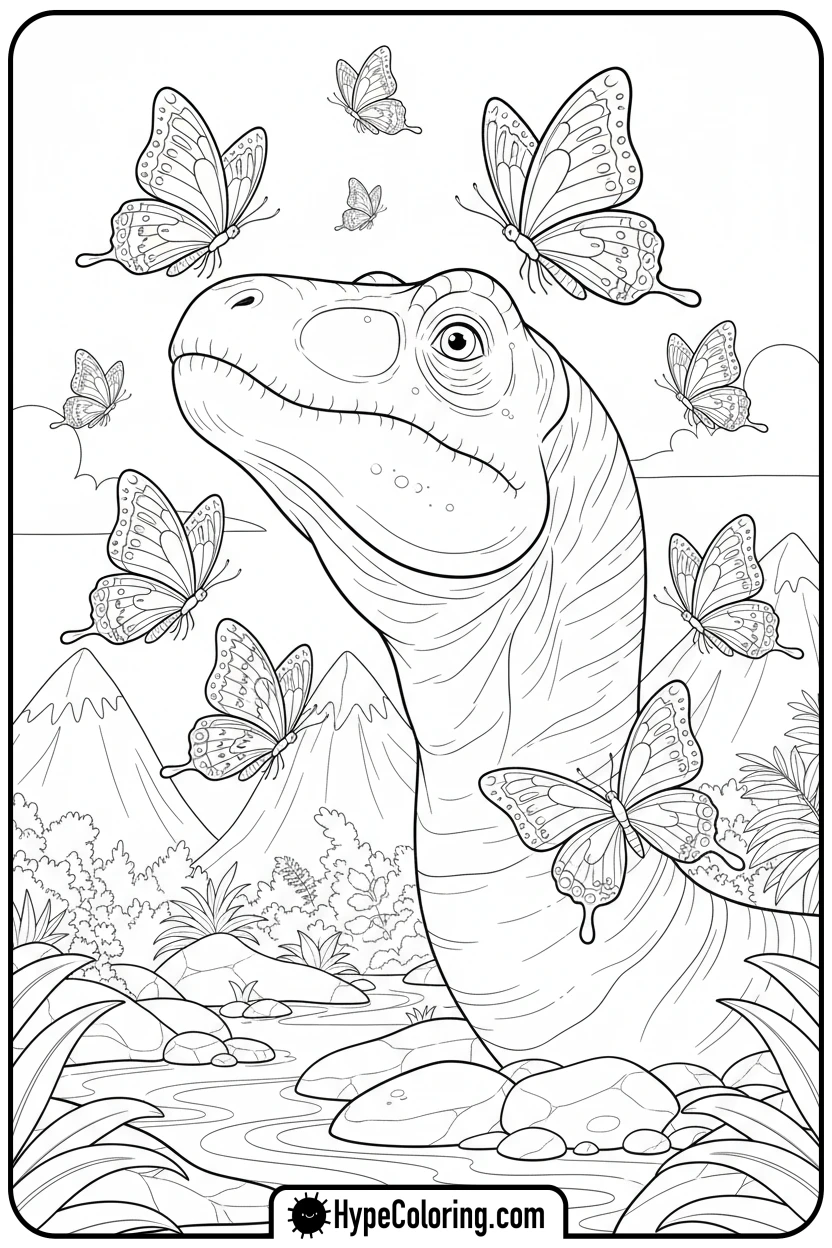
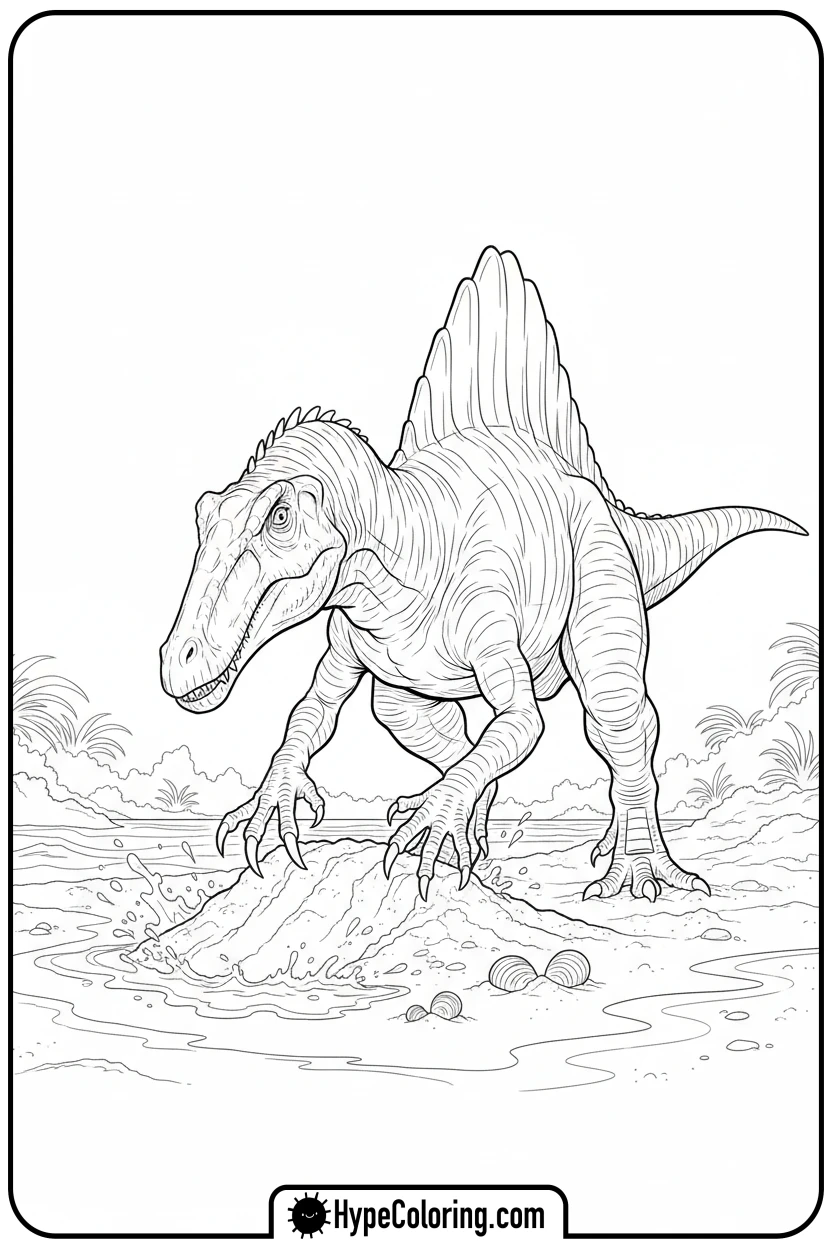
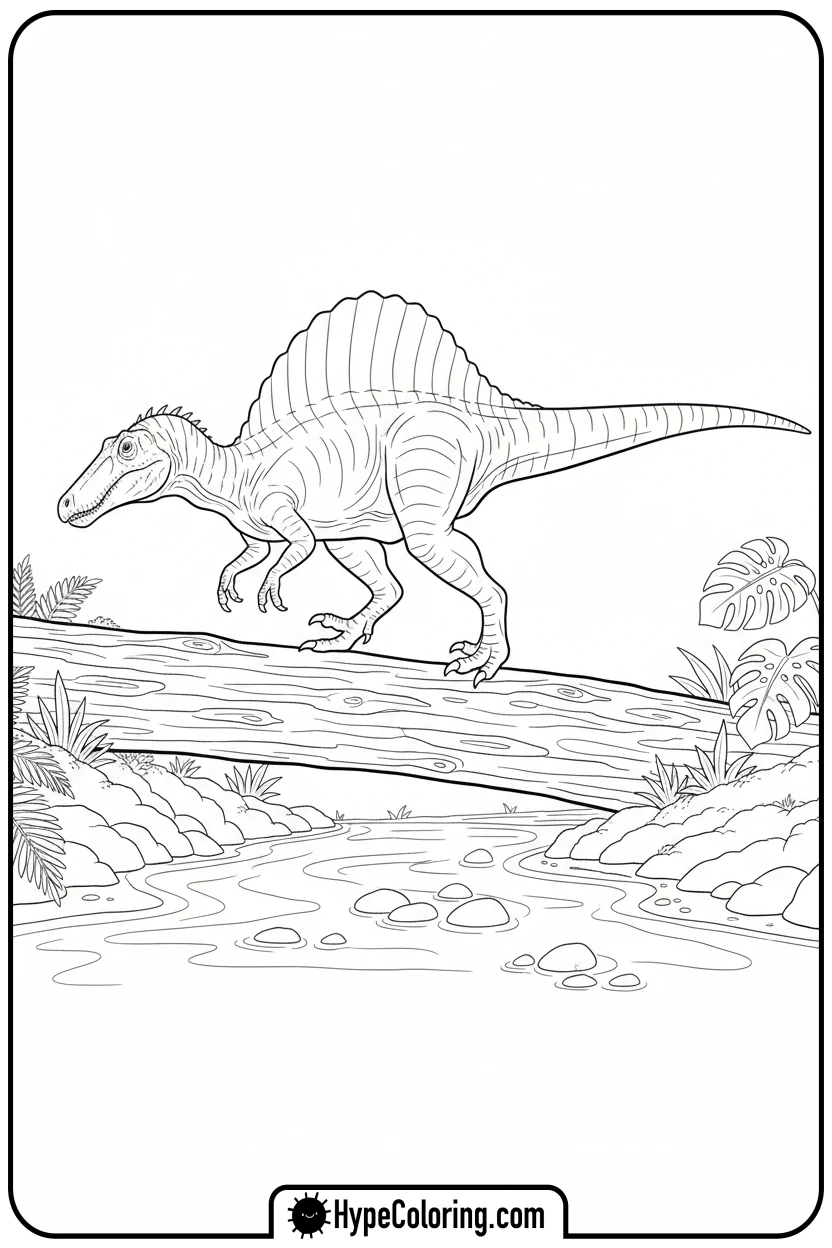
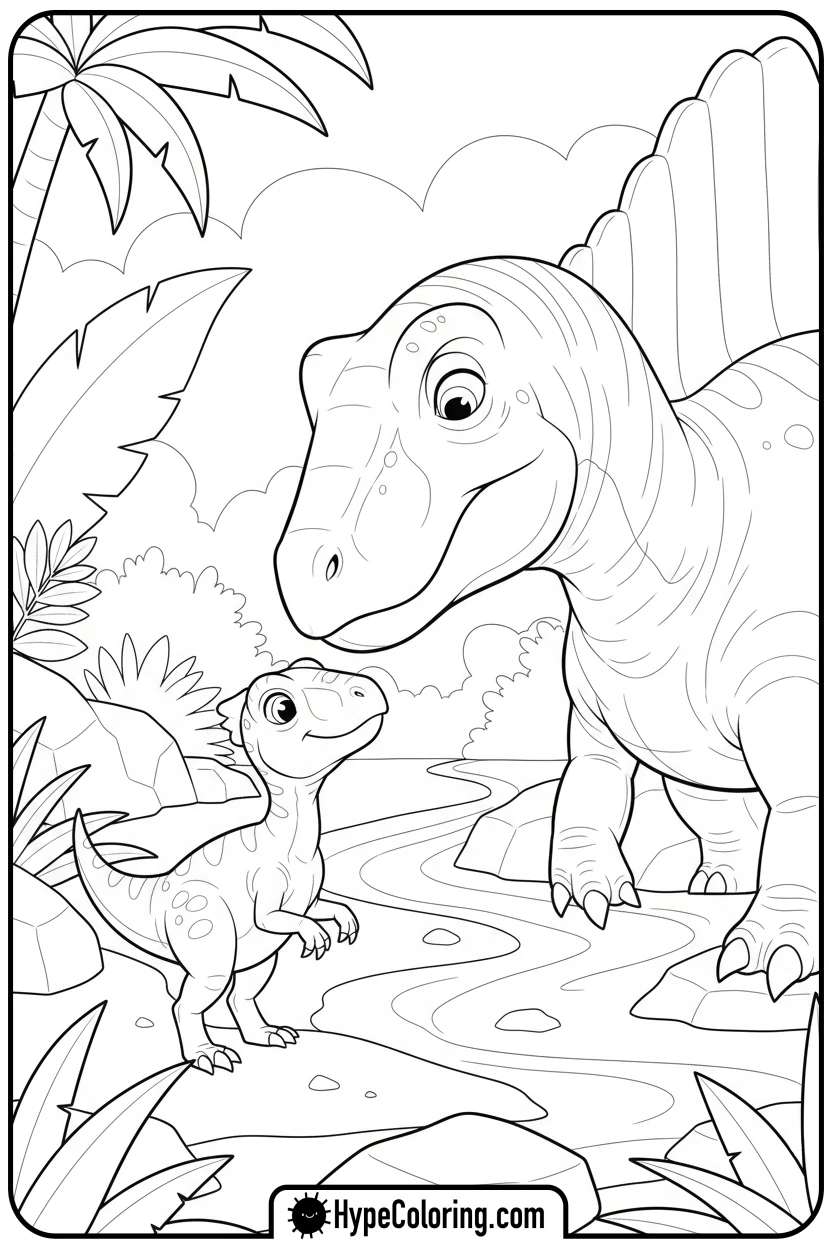
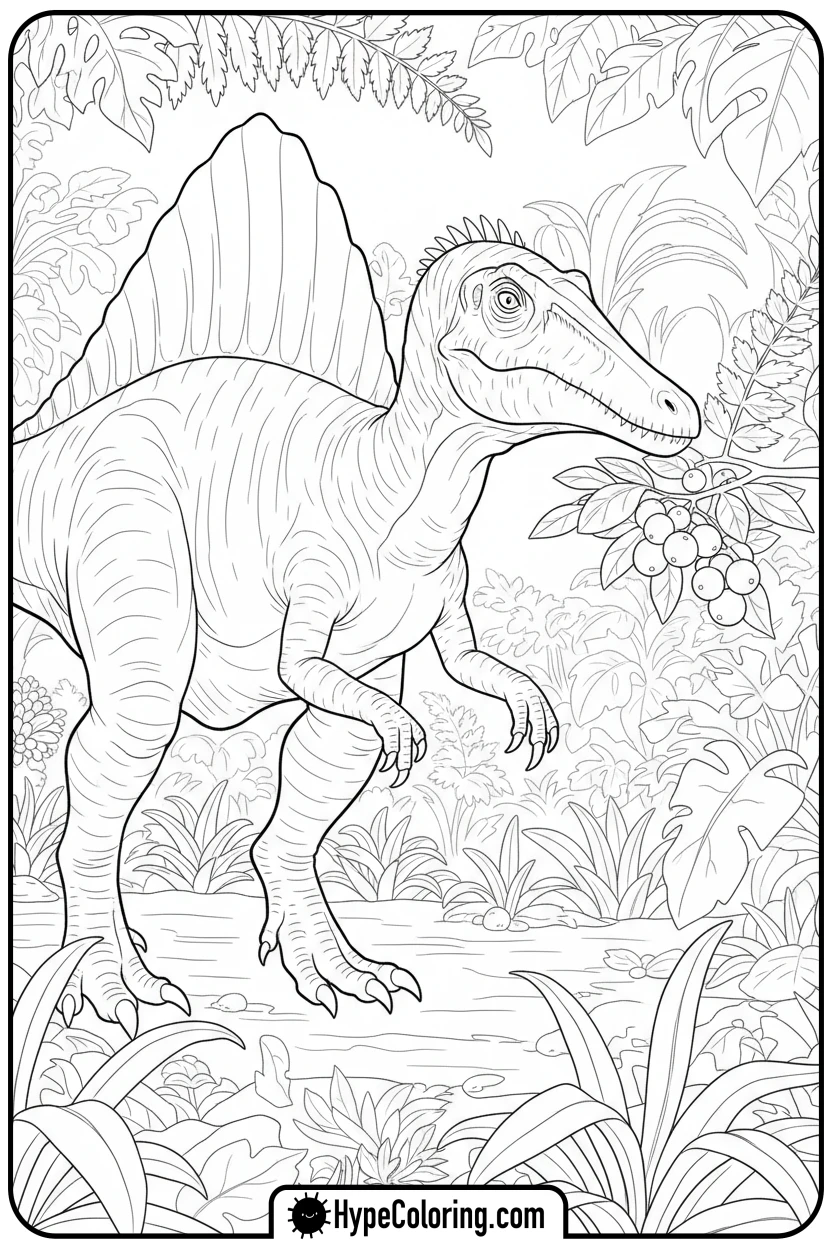
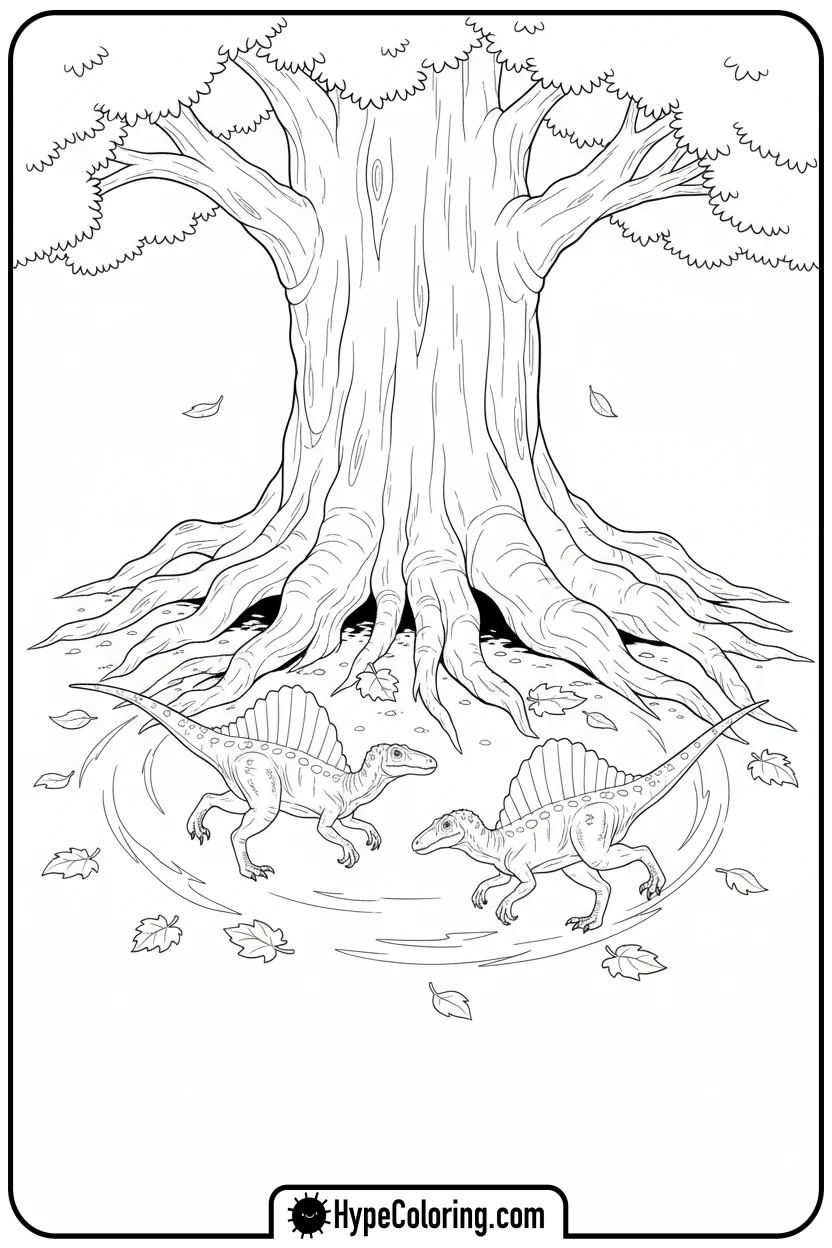
Table of Contents
The Aquatic Predator: Spinosaurus in its Element
Spinosaurus, meaning “spine lizard,” was truly unique among large theropod dinosaurs, primarily known for its remarkable adaptations to a semi-aquatic lifestyle. Unlike its land-dwelling relatives, Spinosaurus spent a significant amount of its time in the water, hunting fish and other aquatic prey. These traits make for fascinating subjects within any spinosaurus coloring page collection.
The River Hunter
Spinosaurus’s long, crocodile-like snout and conical teeth were perfectly suited for snatching slippery fish from the rivers of ancient North Africa. Its powerful legs and broad, paddle-like tail, supported by the iconic sail, likely made it a formidable swimmer. For this spinosaurus coloring page theme, consider muted, earthy tones for the dinosaur itself, perhaps olive greens, muddy browns, or even a grayish-blue to blend with the water.
When coloring design #1, where the Spinosaurus is submerged, use markers to create smooth transitions for the water ripples. Start with a light aqua or pale blue around the legs, gradually darkening to deeper blues and greens for the river’s depth. Add subtle hints of brown for the riverbed. For designs #10 and #16, where the Spinosaurus is examining the riverbed or digging for clams, focus on the texture of wet sand and pebbles using varied shades of beige, gray, and brown crayons, layering them lightly for a natural look.
Graceful Swimmer
The large sail of the Spinosaurus, formed by elongated neural spines, is one of its most distinctive features, though its exact purpose remains a topic of debate among paleontologists. It may have been for display, thermoregulation, or even helped with buoyancy or steering in water. What we do know is that it would have been a prominent feature against the ancient landscape. You can learn more about the evolving understanding of Spinosaurus at the Smithsonian National Museum of Natural History.
For designs like #2, which shows Spinosaurus swimming gracefully, consider a vibrant pattern for the sail, perhaps a mix of reddish-browns and oranges, suggesting a display function. The body can be a medium green with darker stripes or spots for camouflage in the water. With colored pencils, use light, sweeping strokes for the water’s surface, creating a sense of movement and reflection around the dinosaur’s sail and head. This printable spinosaurus coloring page is great for practicing water effects.
Life on Land: Exploring the Spinosaurus’s Terrestrial World
While primarily aquatic, Spinosaurus certainly ventured onto land, albeit perhaps less agilely than its purely terrestrial cousins. It would have moved through lush prehistoric jungles and along riverbanks, its impressive size dominating its surroundings. These scenes provide a diverse range of environments for your spinosaurus coloring page collection.
Jungle Explorer
The Cretaceous period in North Africa featured dense, tropical vegetation, including towering ferns, cycads, and early flowering plants. Spinosaurus would have navigated these environments, perhaps moving between different water sources or resting on sun-warmed rocks. The scale of the Spinosaurus against this backdrop makes for a dramatic visual.
For designs #6 and #17, depicting Spinosaurus striding through jungle foliage or crossing a fallen log, focus on rich greens for the plants. Use several shades—emerald, forest, lime—to create depth and variety in the leaves. For the Spinosaurus, a blend of deep olive green and earthy brown would allow it to stand out while still feeling natural. Try using crayons to apply solid, vibrant colors to the lush foliage, then use a darker green or brown crayon to add shadows and texture, especially under the canopy. This section of our spinosaurus coloring page offers plenty of natural elements.
Resting & Roaming
Even the largest predators need to rest, and Spinosaurus likely found comfort on sandy riverbanks or rocky outcrops, basking in the sun. These calmer scenes allow for a focus on the dinosaur’s form and the subtle details of its environment. The sail, in particular, would catch the light, making it a focal point.
In designs like #4 (resting on a riverbank) and #14 (basking in the sun), use warm, sandy yellows and light browns for the ground. For the Spinosaurus, a base of sandy yellow or a pale green could be accentuated with darker brown patterns on its back and sail. Markers can be excellent for creating smooth, even patches of color for the large body, while a fine-tipped black marker can add details to the scales. Design #9, featuring Spinosaurus under a waterfall, allows for stunning blue and white watercolor effects for the cascading water, contrasting with deep, wet greens for the surrounding plants.
The Gentle Giant: Spinosaurus’s Curious & Playful Side
While a formidable predator, a spinosaurus coloring page can also explore the quieter, more contemplative aspects of this magnificent creature. Scenes showing curiosity, gentle interaction, or even a touch of playfulness challenge our perceptions and allow for imaginative color choices.
Curious & Observant
Spinosaurus likely had keen senses, necessary for a predator. Its curiosity might have extended to the smaller wonders of its world, from prehistoric flowers to its own reflection. These designs offer a chance to explore expressions and subtle gestures.
For design #5, where Spinosaurus sniffs a flower, or #12, where it gazes at its reflection, use soft, light colors. The flower could be a vibrant red, purple, or blue, standing out against the dinosaur’s more subdued greens and grays. For the water’s reflection, use the same colors as the Spinosaurus, but slightly lighter and more diffused to create a convincing mirroring effect. Colored pencils are ideal here for delicate shading and creating the subtle textures of the flower petals and the thoughtful expression on the Spinosaurus’s face. Our free coloring page of a spinosaurus often explores these unique perspectives.
Playful Interactions & Discoveries
It’s fun to imagine even enormous dinosaurs having playful moments. Splashing in water or observing fluttering insects gives a different dimension to the “river monster.” These scenes are especially appealing for a cartoon spinosaurus coloring page for kids, offering a sense of wonder and fun.
In designs #13 (catching bubbles) and #15 (watching butterflies), introduce brighter, more whimsical colors. The bubbles could be iridescent pastels (light pink, blue, yellow), and the butterflies can be a riot of tropical colors—bright reds, blues, and oranges. For the Spinosaurus, maintain its natural color scheme but use lighter shades to convey a more lighthearted mood. Crayons work well for bold, cheerful colors on these elements, and you can press harder to make the butterflies really pop against the background.
A Glimpse of Family Life & the Wider World
The concept of dinosaur family units and interactions with other species adds a touching and educational layer to any dinosaur coloring page. Spinosaurus hatchlings, like those in designs #7 and #20, offer a glimpse into the early life of these giants, while the broader environment, including the night sky, connects them to the vastness of the prehistoric world.
Spinosaurus Family & Hatchlings
Understanding the life cycle of dinosaurs, from egg to adult, is a fascinating aspect of paleontology. Baby Spinosaurus would have been vulnerable but quick-learning, relying on parental protection in their early stages. The colors for hatchlings might be slightly lighter or have more pronounced patterns than adults, perhaps for camouflage. The Spinosaurus was a dinosaur, so its eggs would have been laid on land, likely in a nest of vegetation or sand. Read more about dinosaur reproduction on Wikipedia.
For design #7, showing an adult nuzzling a baby, use similar color palettes for both, but make the baby a slightly lighter shade of green or brown with softer textures. The eggs could be off-white or light tan, with subtle speckles. For design #20, featuring hatchlings, use bright, playful colors for the young Spinosaurus, contrasting with the dark roots of the ancient tree. Colored pencils are perfect for adding fine details to the hatchlings’ scales and their curious eyes. This easy spinosaurus color page is great for younger artists.
Prehistoric Night Sky
Imagining dinosaurs under a starry sky adds a magical touch to the prehistoric world. It reminds us of the long stretches of time these creatures existed, often under skies very similar to our own, though without the light pollution we know today.
Design #11, where Spinosaurus is silhouetted against a starry night, calls for deep, rich blues and purples for the sky. The stars can be tiny dots of bright yellow or white, with a soft glow around them. The crescent moon can be a pale yellow or silver. For the Spinosaurus, use a very dark silhouette—deep indigo, black, or dark charcoal gray—to make it stand out dramatically against the cosmic backdrop. Markers or soft pastels can create a smooth, gradient sky, while a white gel pen can add crisp, bright stars.
Create Your Own Spinosaurus Diorama
After you’ve finished coloring these incredible spinosaurus coloring page designs, don’t just put them away! You can bring the prehistoric world to life by creating a simple diorama. Cut out a few of your favorite colored Spinosaurus (adults, babies, or even the one exploring the jungle) and glue them onto a sturdy piece of cardboard. Using construction paper, craft sticks, or even real twigs and leaves, build a simple background depicting a river, jungle, or rocky outcrop. You can even add cotton balls for clouds or blue cellophane for water. This allows you to arrange your Spinosaurus in different scenes and tell your own stories, extending the creative fun beyond just coloring.
Our comprehensive collection of spinosaurus coloring page designs provides an engaging and educational way to connect with one of history’s most fascinating dinosaurs. Each printable spinosaurus coloring page invites you to explore its world, learn about its adaptations, and express your creativity with color.