We offer a wide collection of free, high-quality printable coloring pages for kids and adults. From cute animals to intricate mandalas, our designs bring creativity and relaxation to everyone. Download, print, and start coloring today!

Explore the amazing world of creepy crawlies and winged wonders with this vibrant collection of 20 unique Insect Coloring Pages. This set provides detailed designs and real facts about each creature, offering a fun and educational activity for both kids and adults who love nature.
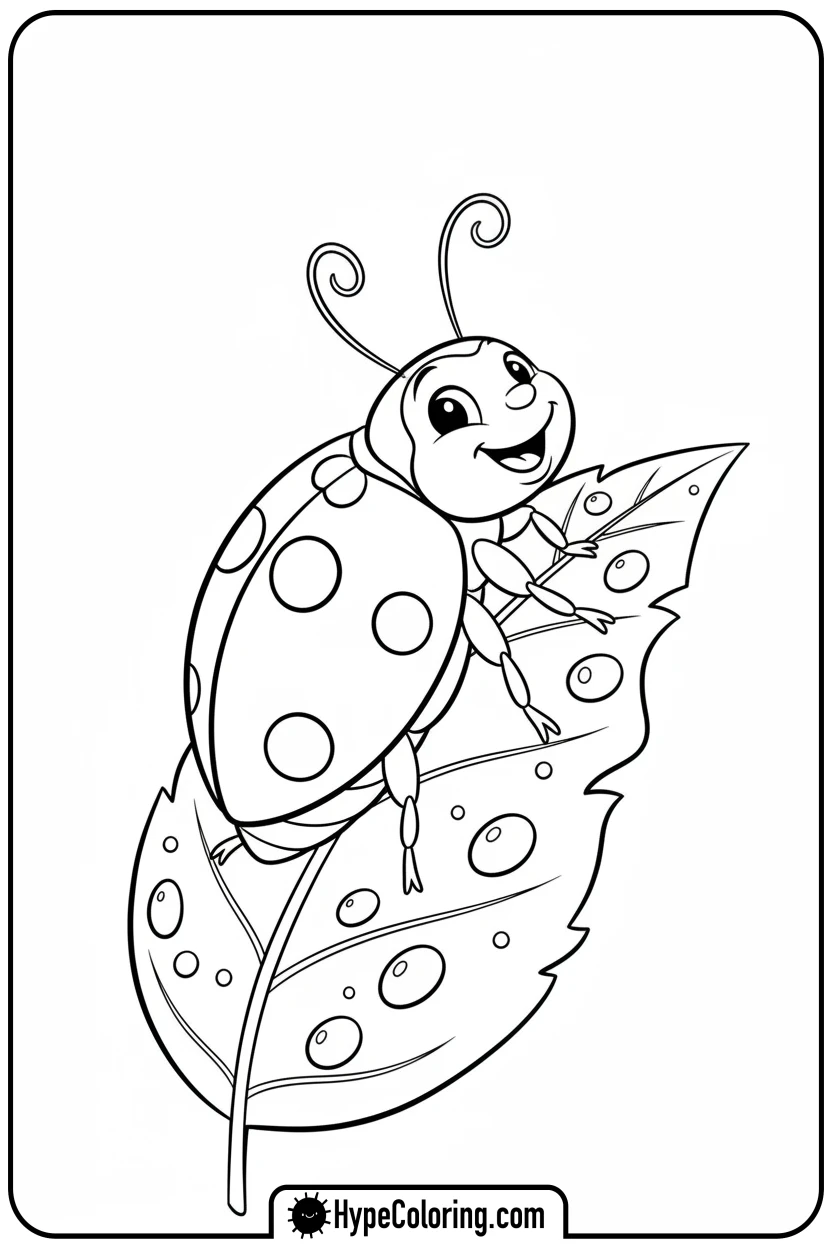
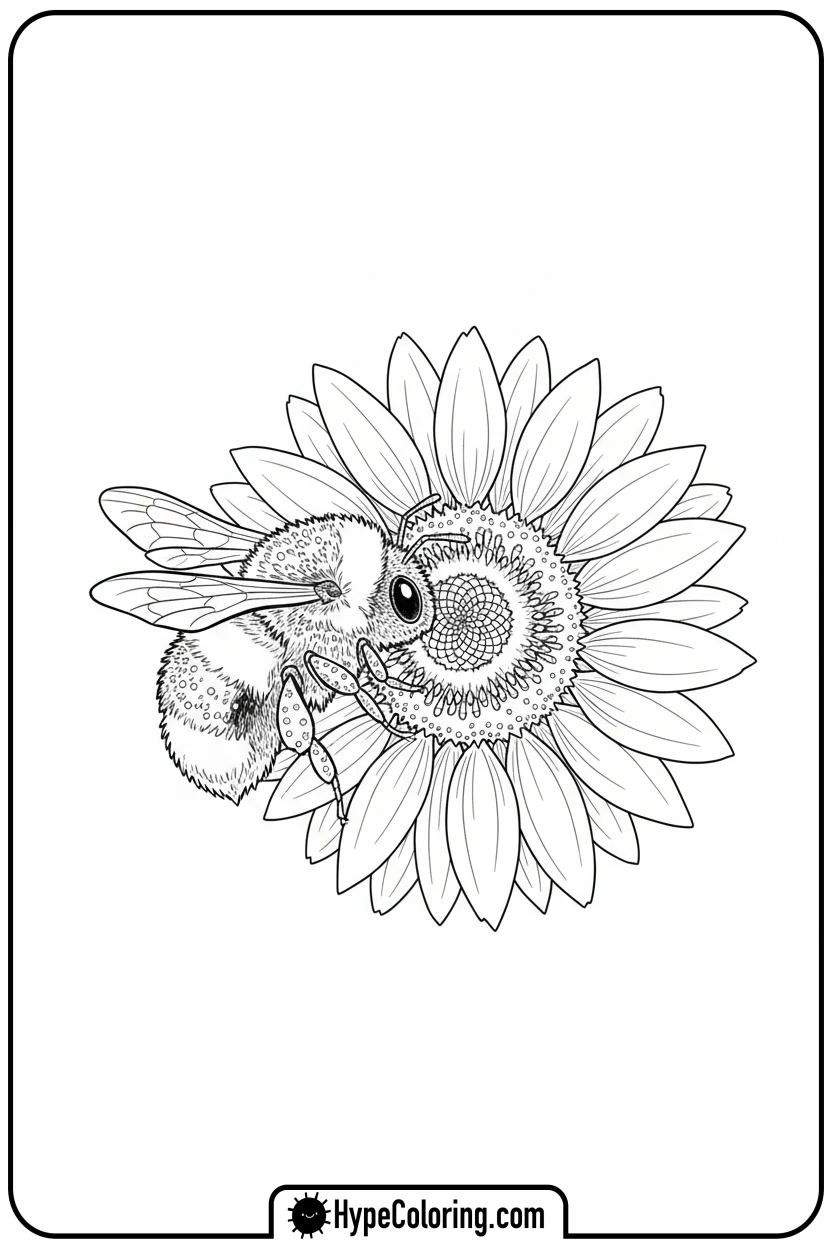
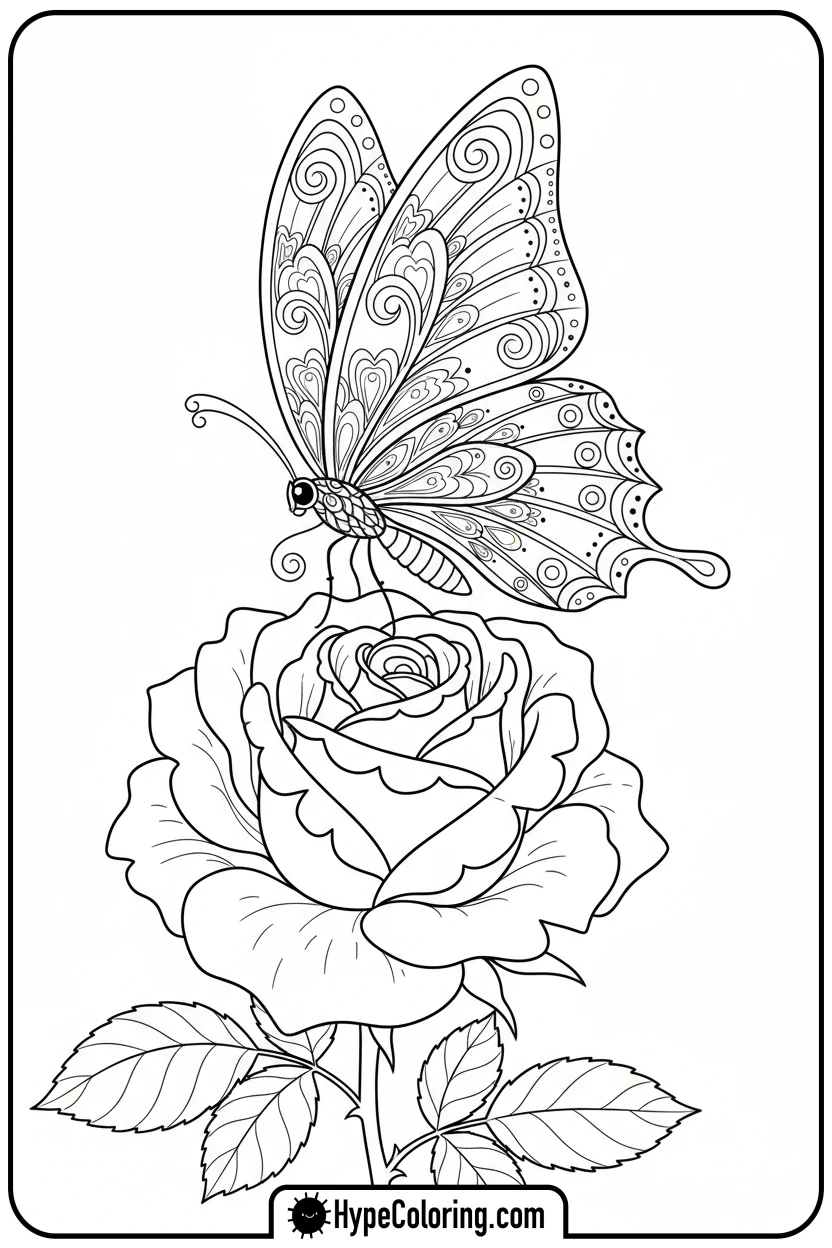
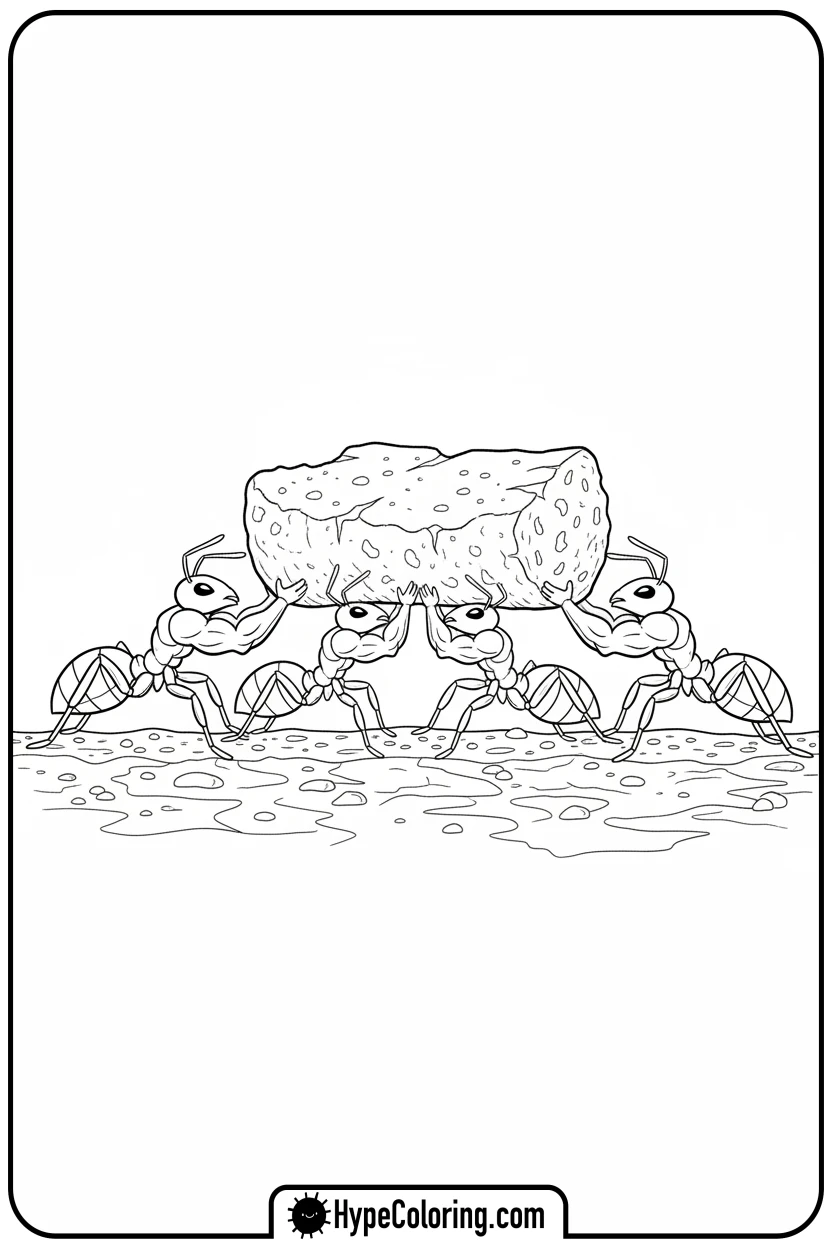
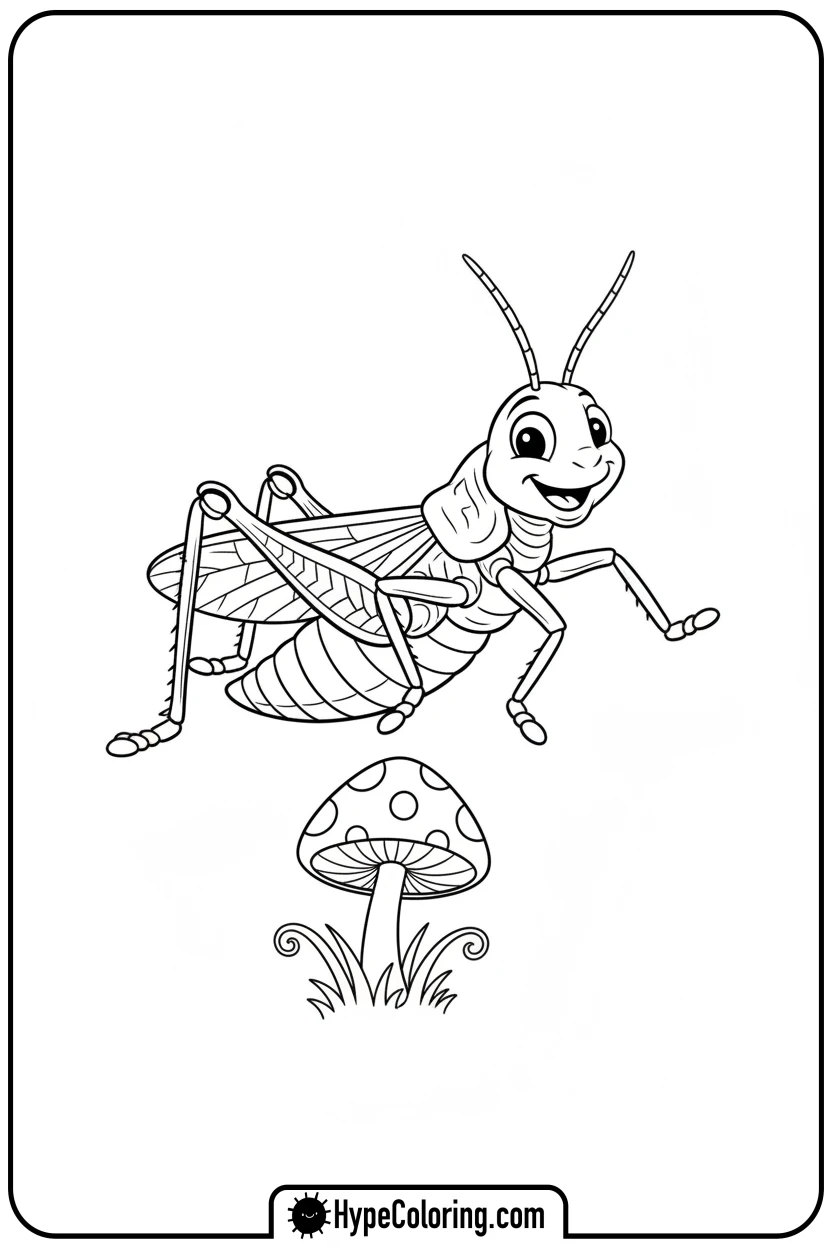
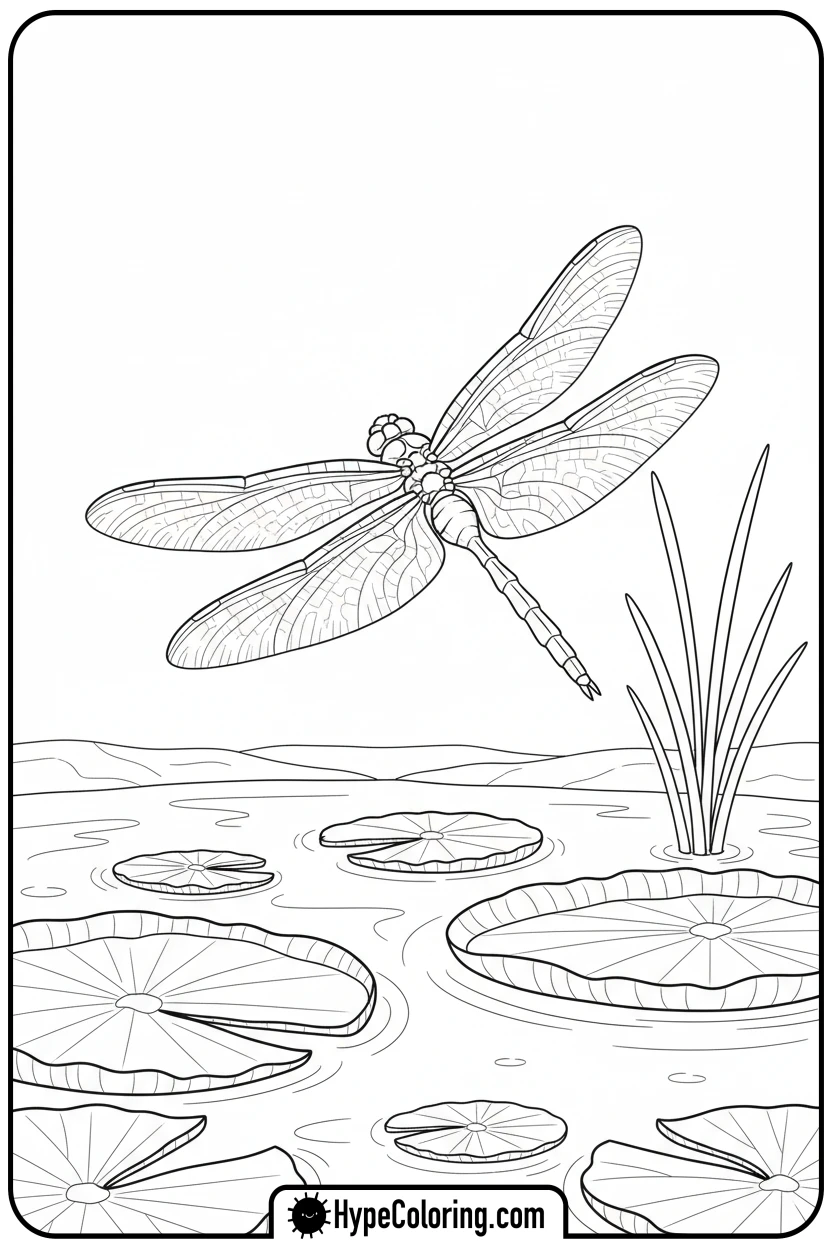
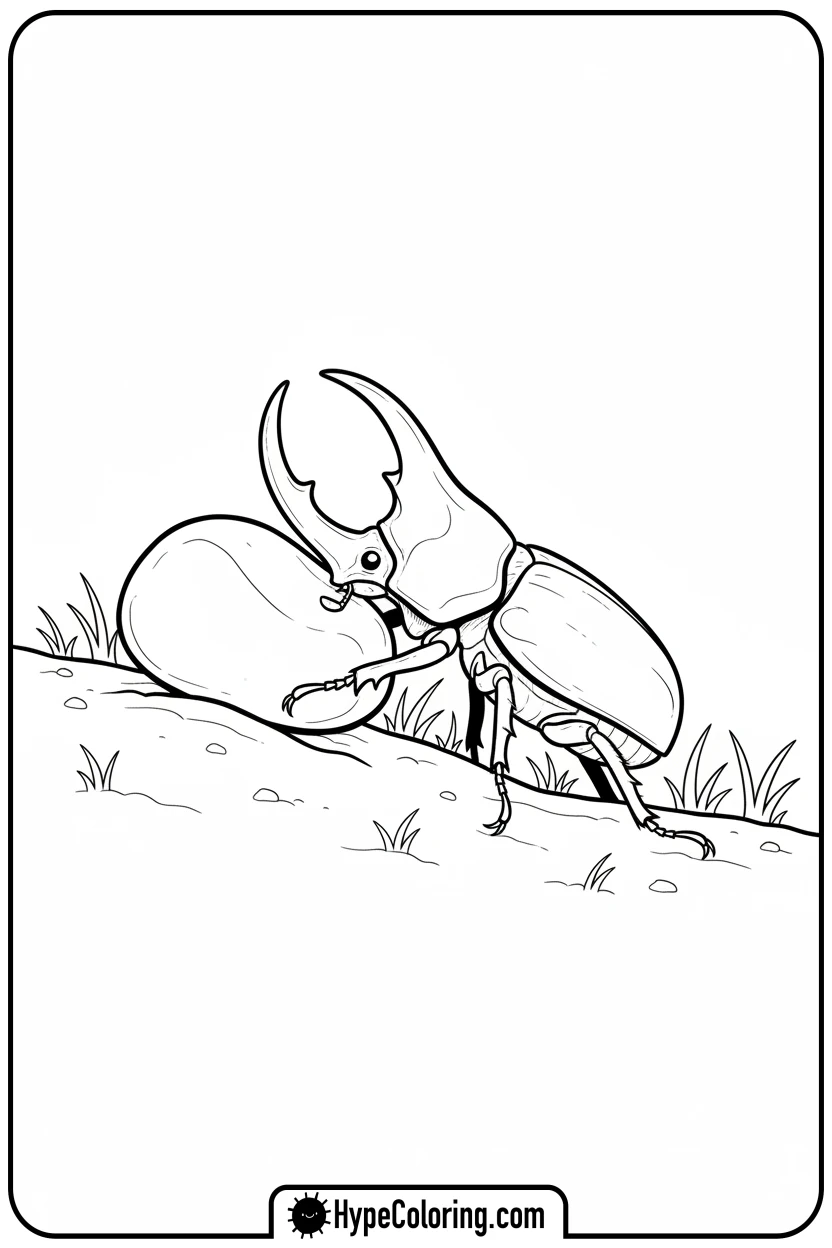
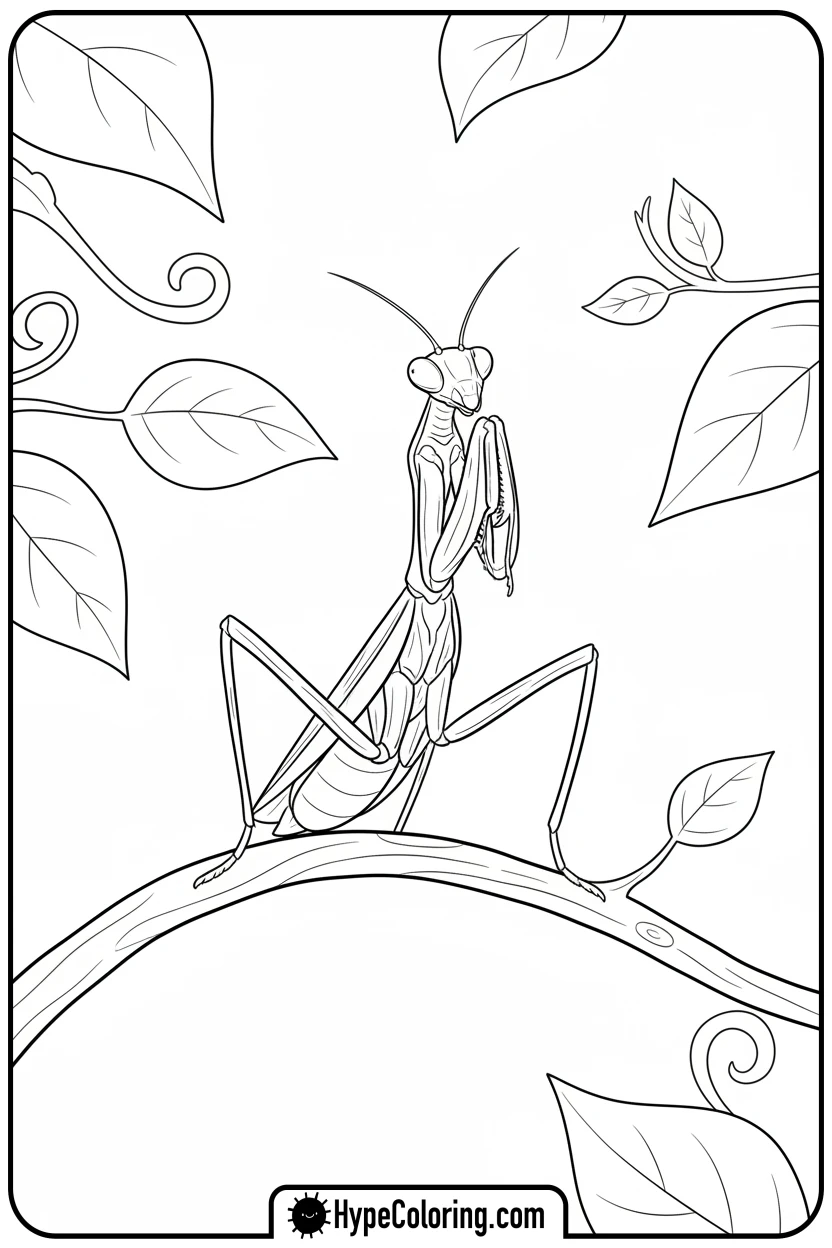
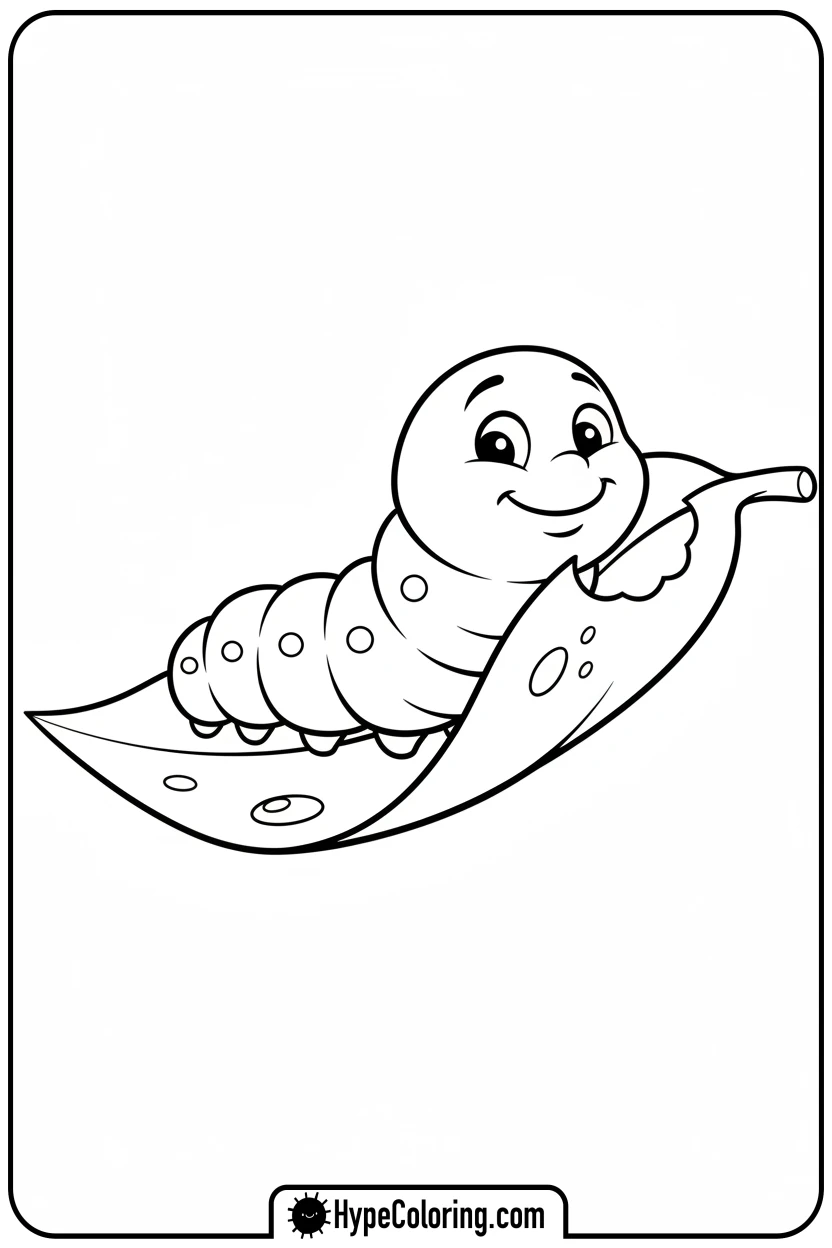
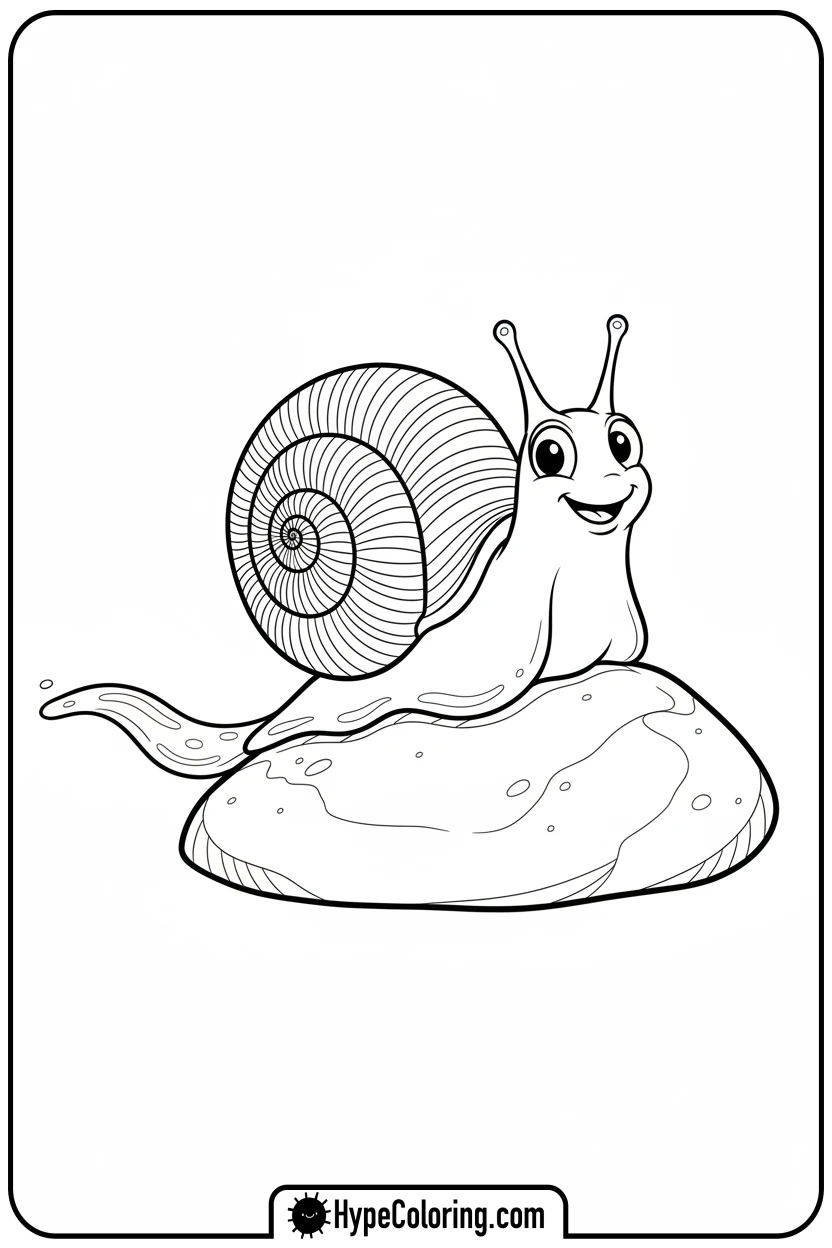
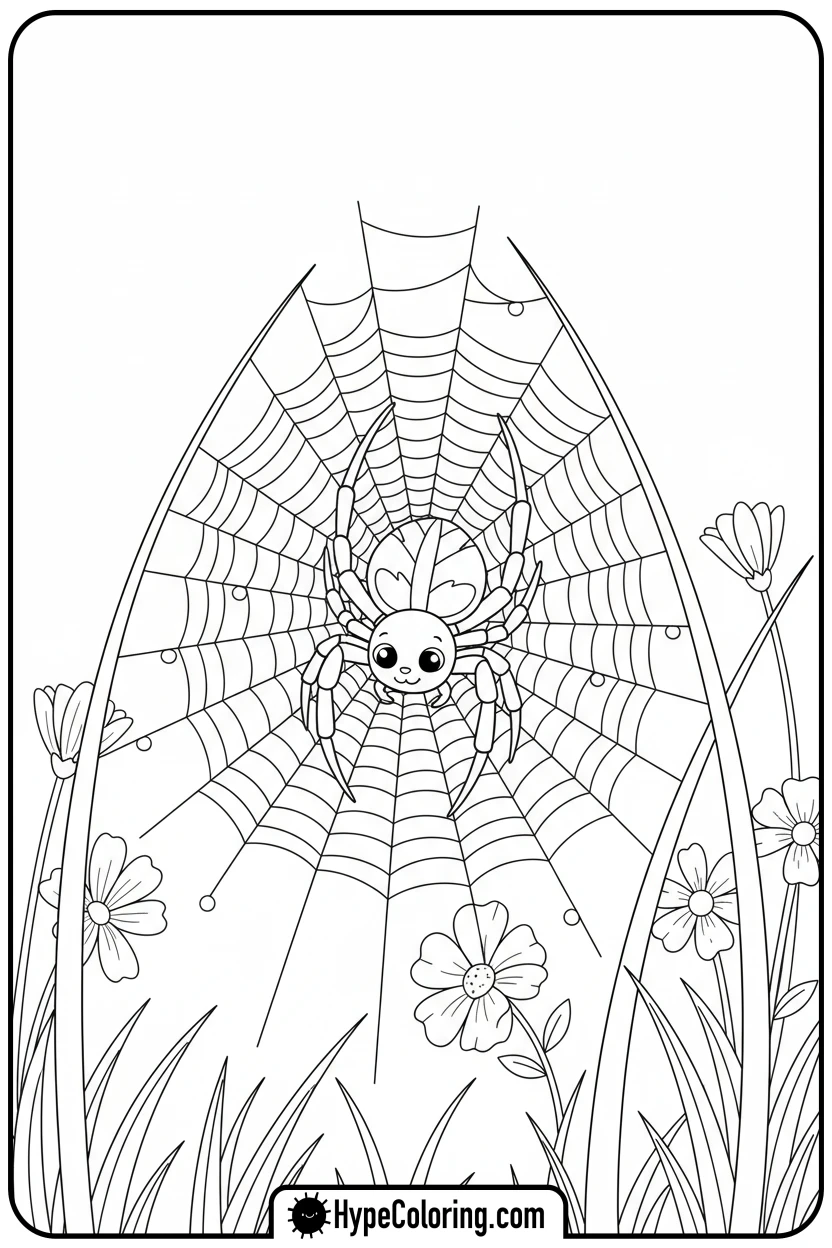
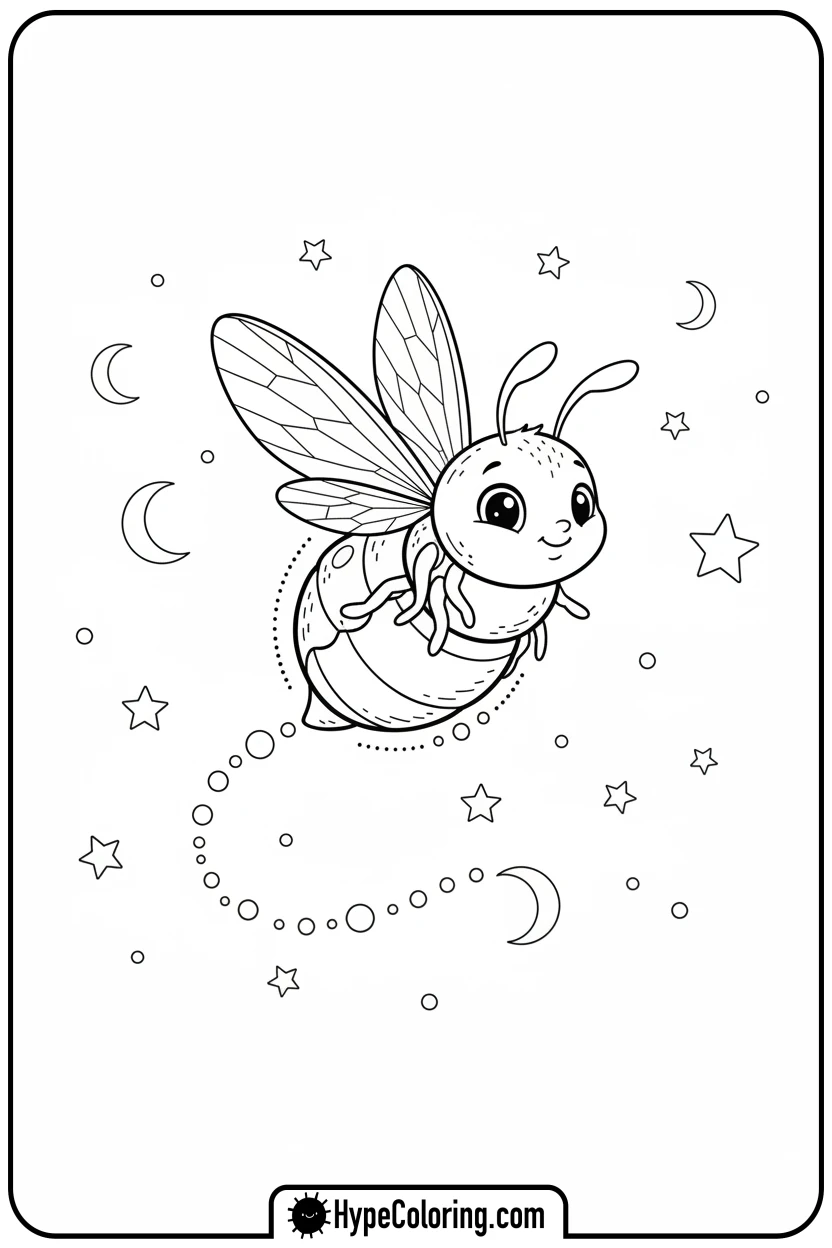
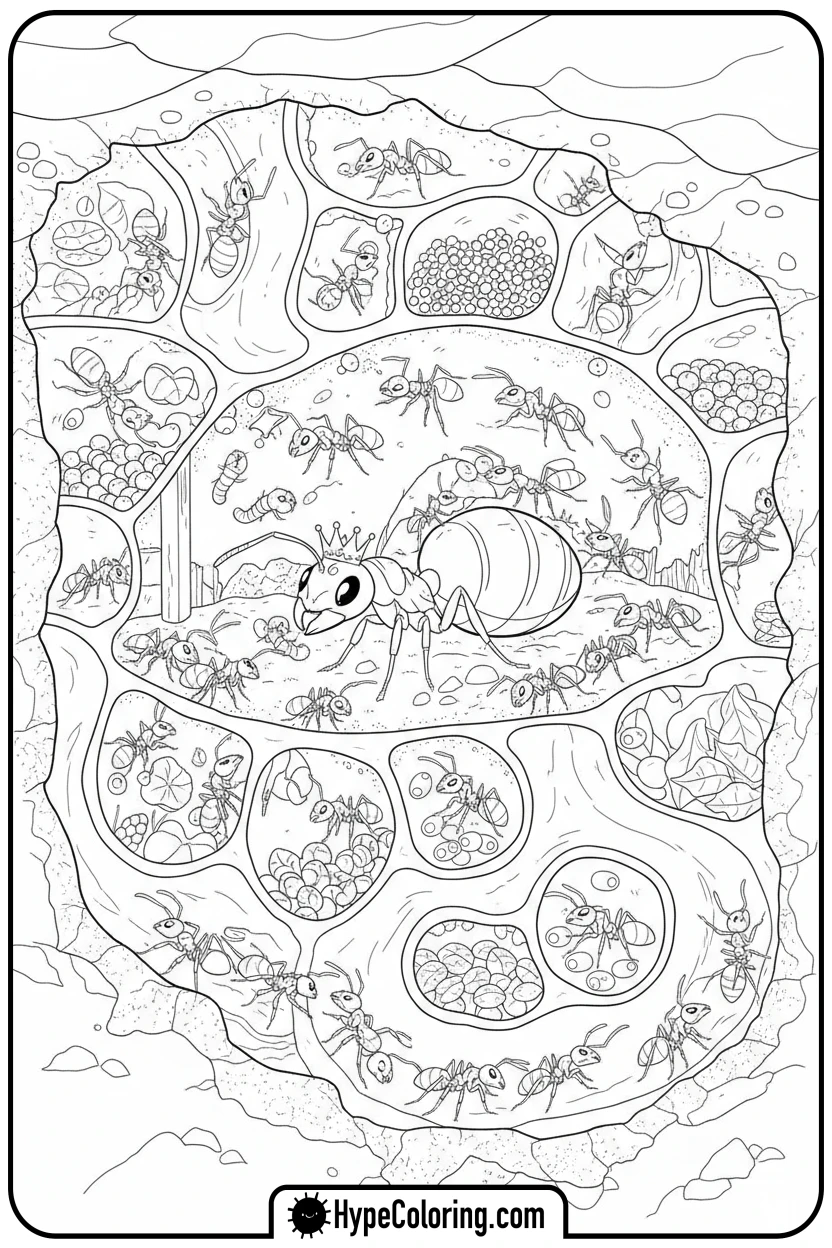
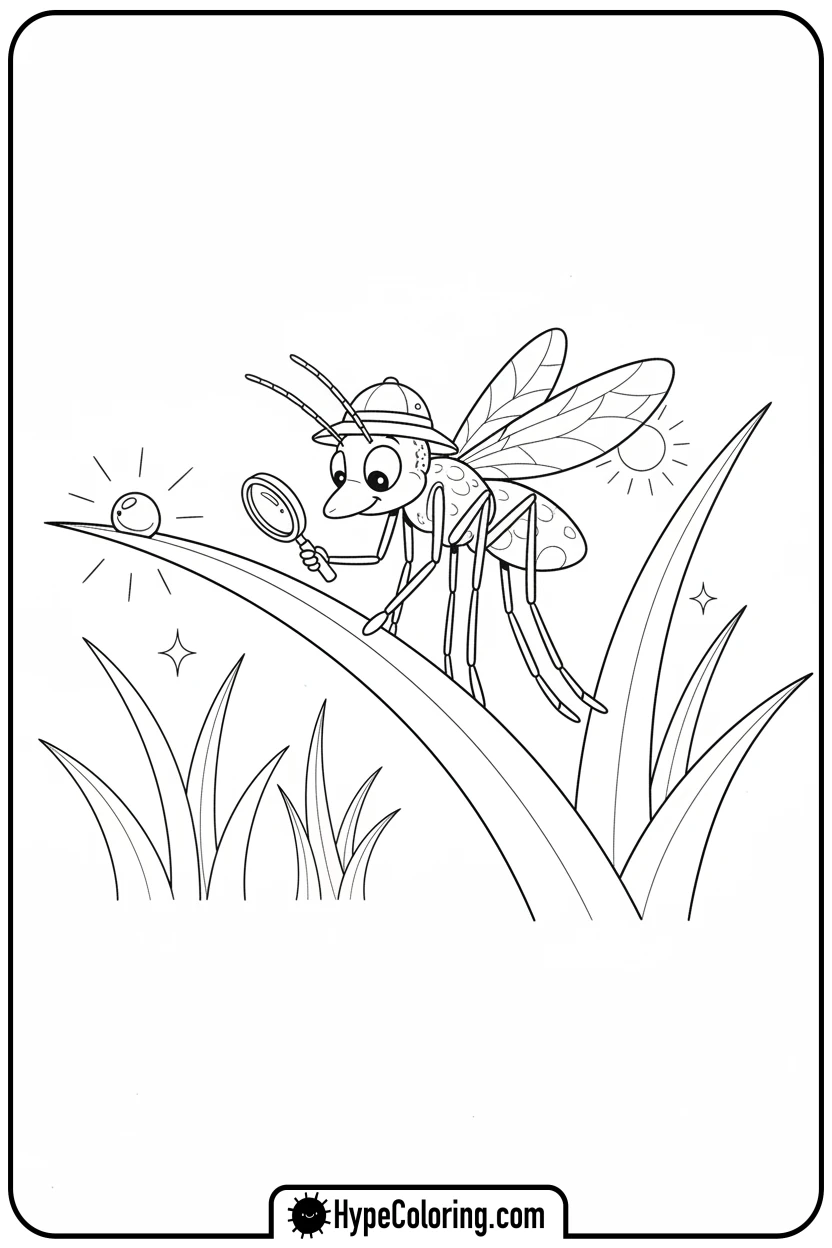
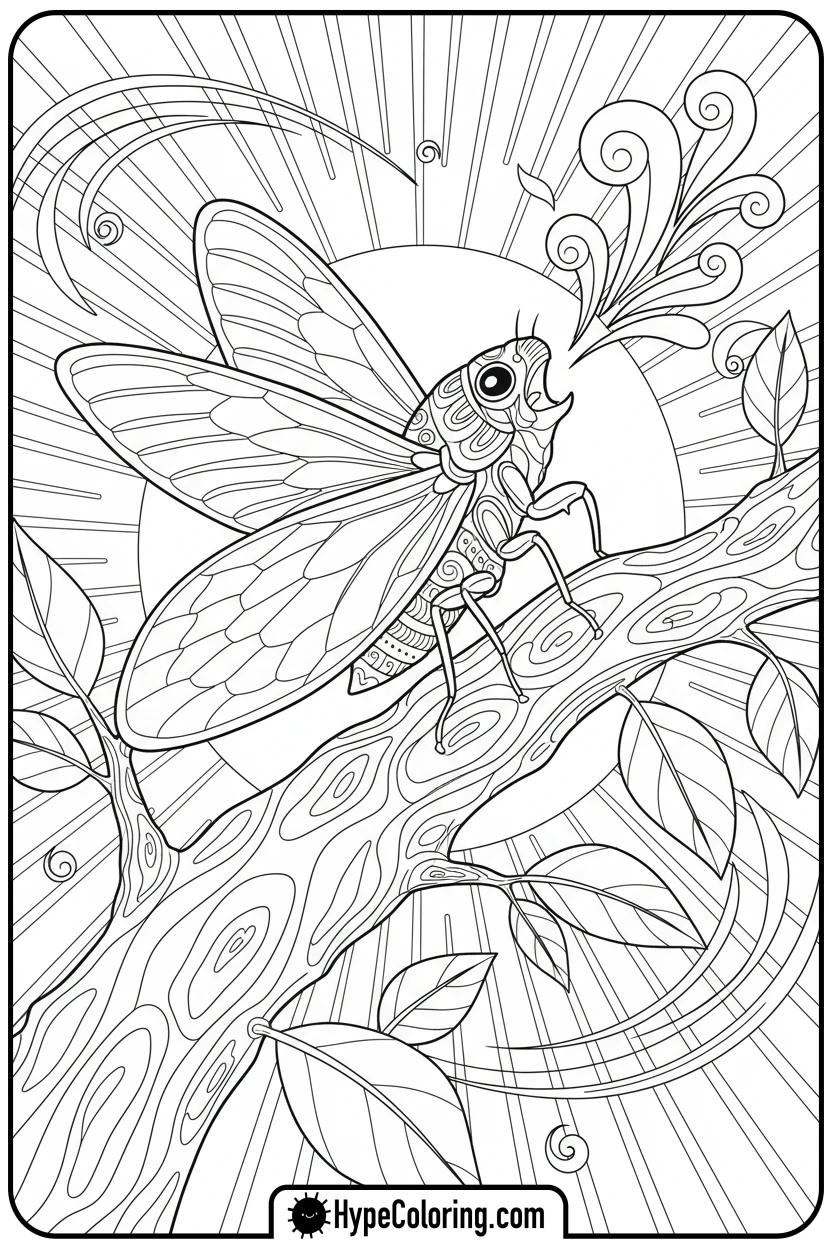
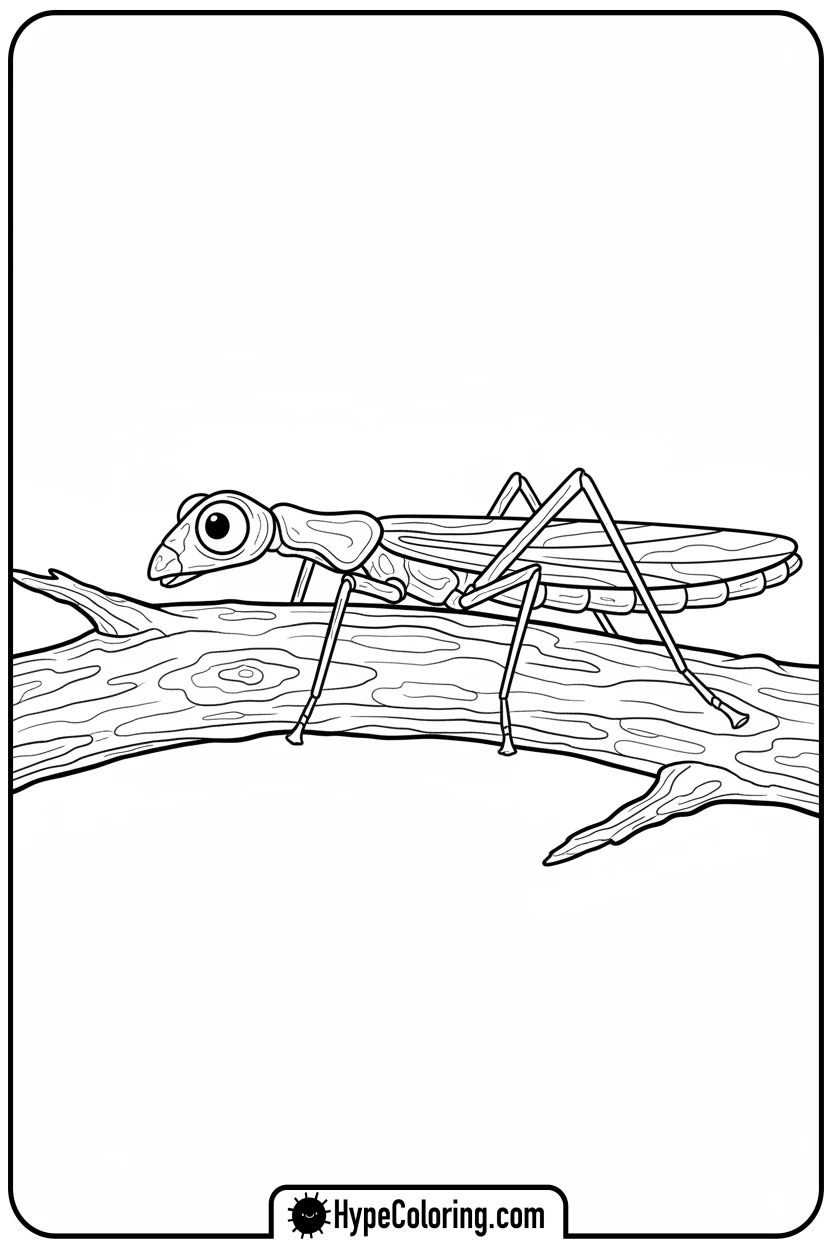
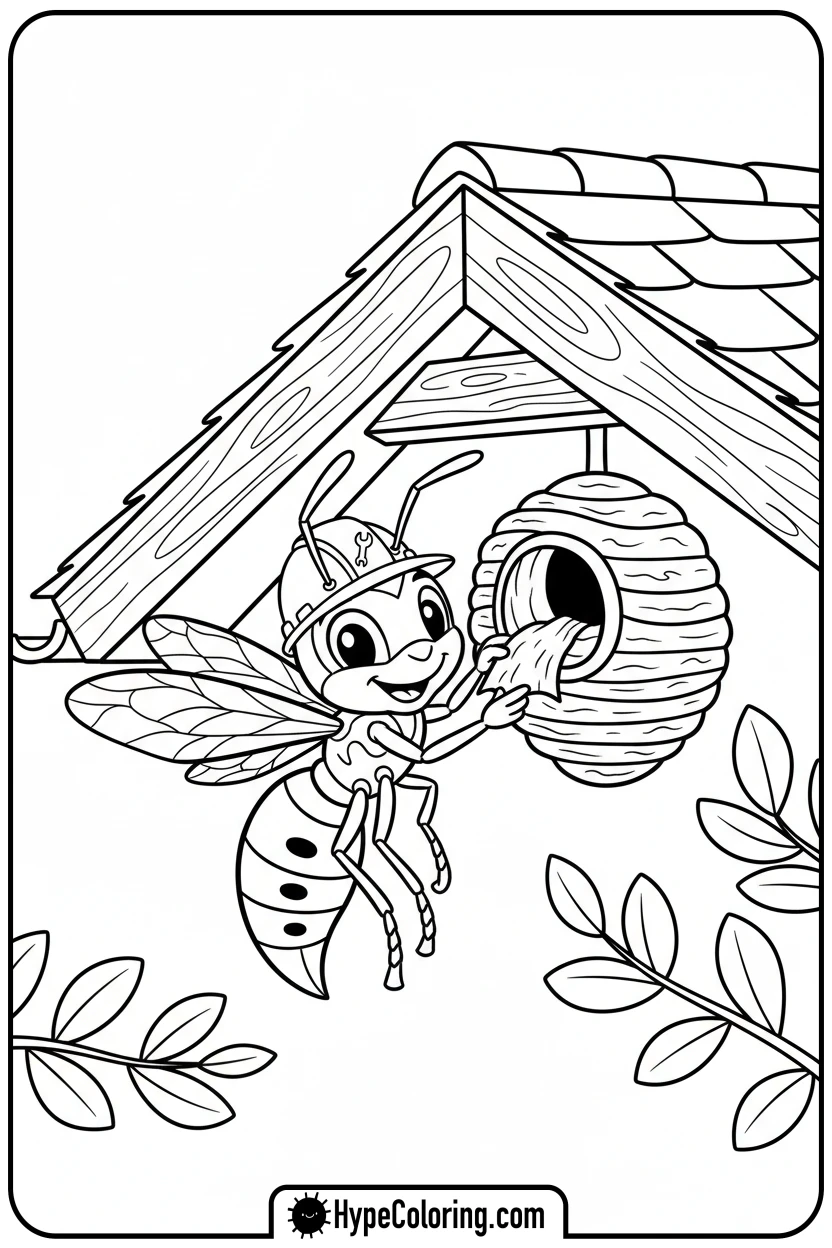
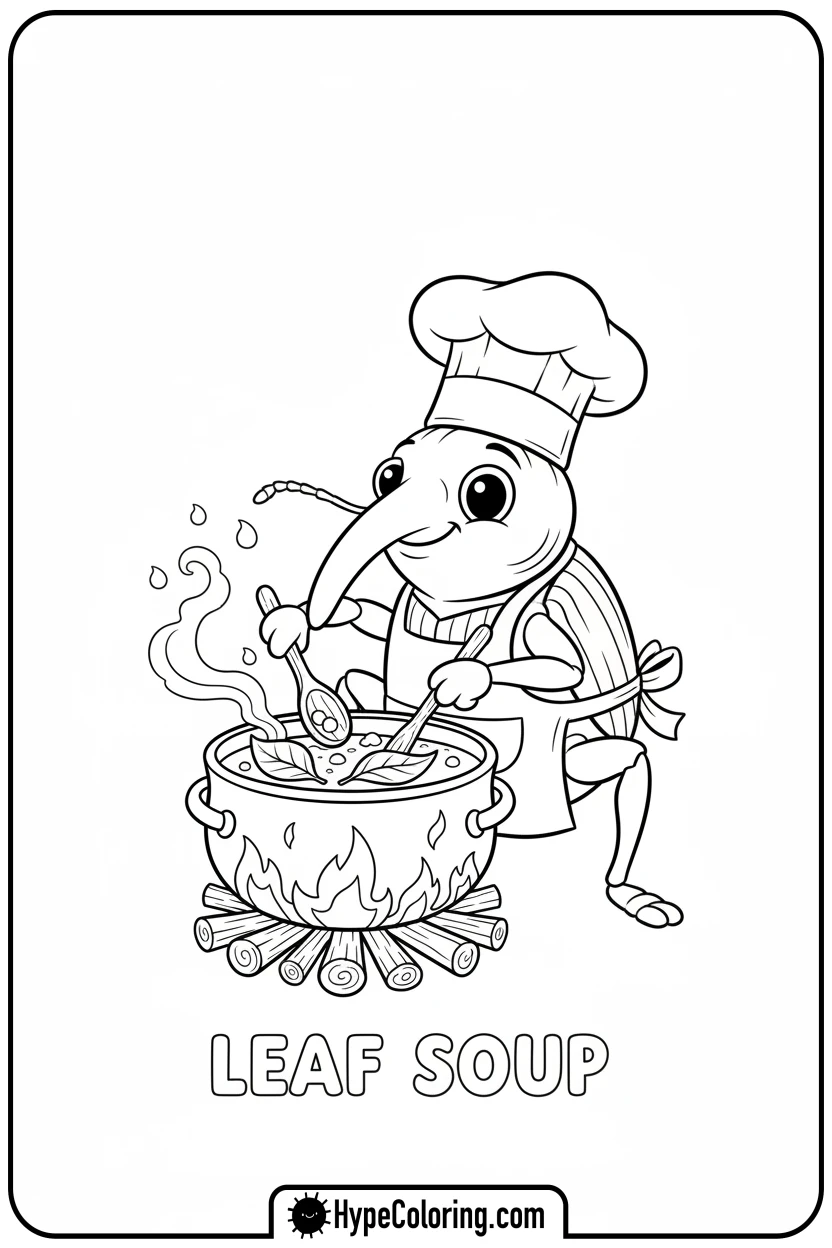
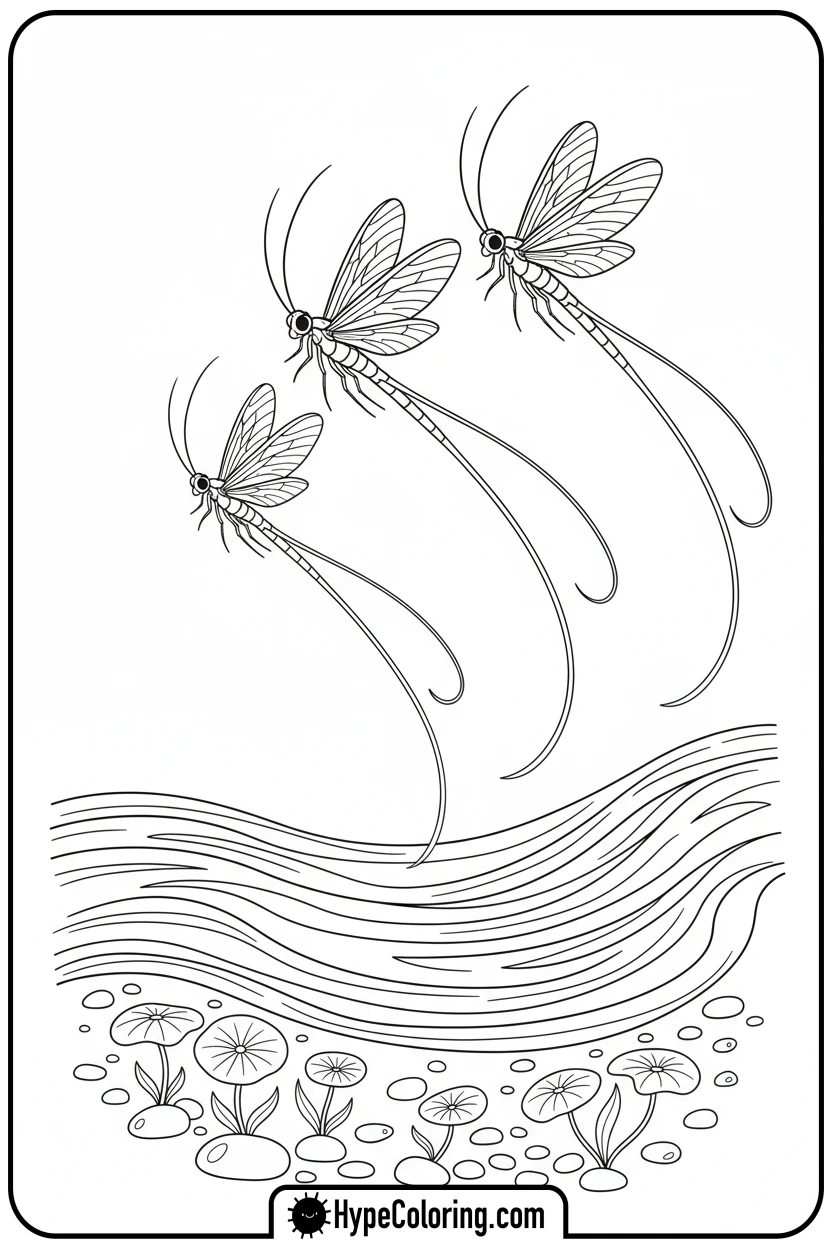
Table of Contents
Discovering the Diverse World of Insect Coloring Pages
Insects are the tiny titans of our planet, making up over 80% of all known animal species. From the buzzing bees that pollinate our flowers to the diligent ants building underground cities, these creatures play vital roles in nearly every ecosystem. This extensive collection of printable coloring pages focuses on some of the most fascinating insects, offering free PDF printables that allow you to bring their intricate forms to life with your favorite colors. Each design is crafted to be engaging, ranging from simple outlines perfect for younger colorists to complex coloring pages for adults seeking a detailed challenge.
Let’s delve into the lives of these incredible invertebrates and learn how to best capture their essence on paper.
Pollinators & Garden Guests
These insects are often the most familiar, frequenting our gardens and playing crucial roles in the environment, especially when it comes to flowering plants.
Ladybug
Ladybugs are beloved garden allies, known for their bright, polka-dotted shells. Did you know a single ladybug can eat up to 5,000 aphids in its lifetime? They’re tiny but mighty pest controllers!
For coloring, a classic ladybug needs a vibrant scarlet red for its wing covers and distinct jet black for its spots, head, and legs. Use a fine-tipped black marker for the spots to ensure crisp edges. When coloring the dew-kissed leaf, layer shades of emerald green and lime green, adding tiny uncolored spots or very light blue touches for dew drops. These Insect Coloring Pages feature a happy ladybug in design #1.
Bumblebee
Bumblebees are iconic for their fuzzy bodies and gentle buzzing as they collect pollen. Unlike honeybees, bumblebees live in smaller colonies and often nest underground. They are crucial pollinators for many wildflowers and crops.
Color a bumblebee with alternating stripes of bright yellow and velvet black on its body. Its wings should be a translucent pale gray or light blue, and its legs a darker gray or black. For the sunflower in design #2, use vibrant golden yellows for the petals, deep chocolate brown for the center, and bright lemon yellow for the pollen on its legs. With colored pencils, use light, circular strokes for the fluffy texture of the bee’s body.
Graceful Butterfly
Butterflies undergo a complete metamorphosis, transforming from a caterpillar into a pupa, and finally emerging as a winged beauty. Their wing patterns are incredibly diverse, often evolving for camouflage or to warn predators. For example, Monarch butterflies migrate thousands of miles each year!
Butterflies offer endless creative possibilities. You can use any combination of colors, from bold blues and purples to warm oranges and yellows. For design #3, aim for a realistic look with delicate patterns in shades of lavender, sky blue, and a touch of gold on a creamy white base. The rose can be a classic deep red or a soft blush pink, with leaves in varying shades of forest green. Markers are excellent for achieving smooth, vibrant wing patterns.
Friendly Snail
Snails are gastropods, related to slugs, and are known for their slow, deliberate movement. They leave a trail of mucus, which helps them glide and protects them from sharp objects and dehydration. Some snails can live for several years!
The snail in design #10 can be a soft earthy brown or creamy tan for its body, with antennae and eyestalks in a slightly darker shade. Its shell is the star – think a beautiful spiral in shades of light brown, beige, and cream, perhaps with subtle stripes. Use crayons to build up the smooth texture of the shell and a slightly darker, shiny light gray for the slime trail on the rock.
Garden Spider
Garden spiders, like the orb-weaver, create intricate, circular webs to catch their prey. Despite common fears, most garden spiders are harmless to humans and play an important role in controlling insect populations. Their webs are incredibly strong for their thickness!
For the garden spider in design #11, use a mix of dark brown, black, and perhaps some yellow or orange markings on its abdomen, depending on the species you’re imagining. The web should be a delicate light gray or silver, almost transparent. With colored pencils, use very light, fine strokes for the web strands against a contrasting deep green for the blades of grass.
Masters of the Air
From rapid flight to shimmering wings, these insects dominate the skies in various unique ways. These printable coloring pages truly showcase their aerial grace.
Majestic Dragonfly
Dragonflies are ancient insects, with fossils dating back over 300 million years. They are incredible aerial predators, known for their large, multi-faceted eyes and two pairs of strong, transparent wings that can move independently. They can fly forwards, backward, and hover!
A dragonfly’s body (design #6) can be metallic blue, green, or even red, often with intricate patterns. Its wings are typically transparent or translucent, with fine veins. Use very light aqua blue or pale lavender for the wings, highlighting the veins with a fine black pen if desired. The pond surface can be a tranquil deep blue-green, with lily pads in varying shades of darker green. Colored pencils are ideal for the subtle iridescence of the body and the delicate transparency of the wings.
Cute Firefly
Fireflies, or lightning bugs, are beetles that produce light through a process called bioluminescence. They use these light signals to attract mates, with each species having a unique flash pattern. It’s a truly magical sight on a summer night!
For the firefly in design #12, its body can be a dull dark brown or black, but the real focus is its glowing abdomen. Use a bright lemon yellow or pale orange for the glowing part, surrounded by a soft golden aura. The starry night sky should be a deep indigo blue or black, with tiny white or light yellow stars. Crayons can create a soft, diffused glow effect around the abdomen.
Wasp
Wasps are incredibly diverse, with many species being predators of other insects, while others are parasitic. Some, like the one in design #18, build nests. Many social wasps construct intricate nests from chewed wood pulp, giving them a papery texture.
A typical wasp features distinct bands of bright yellow and black on its body. Its wings are usually clear or a smoky gray. The construction helmet can be bright yellow or orange, adding to the comical effect. The paper-like nest should be various shades of light gray, beige, and off-white, with visible textures. Use markers for crisp lines on the wasp’s stripes and layered crayons for the textured look of the nest. You can find more specific bee and wasp designs in our 20 Free Printable Bee Coloring Pages and 20 Free Bumblebee Coloring Page collections too.
Loud Cicada
Cicadas are known for their incredibly loud songs, produced by vibrating membranes called tymbals on their abdomens. This sound can reach over 100 decibels! They spend most of their lives underground as nymphs, sometimes for many years, before emerging as adults.
The cicada in design #15 typically has a robust body in shades of dark green, brown, or black, with prominent eyes that can be red or orange. Its wings are translucent, with visible veins. For the musical notes rising from its mouth, use vibrant, contrasting colors like bright blue, yellow, or purple to make them pop against the tree branch. The tree branch itself can be a textured bark brown with hints of dark gray.
Ground Dwellers & Hidden Wonders
These insects thrive on the ground or in hidden environments, often with fascinating behaviors and unique adaptations.
Dedicated Ants
Ants are social insects that live in highly organized colonies. They are known for their incredible strength – able to lift objects many times their own weight – and their cooperative nature, working together to find food and build complex underground nests. The ant colony in design #13 reveals their bustling underground world.
Individual ants (design #4) are typically dark brown, black, or a reddish-brown. For a line of ants, use a consistent color but vary shading slightly to give each ant depth. The crumb should be a light beige or off-white with textured brown edges. For the ant colony, use shades of earthy brown, tan, and gray for the underground tunnels and chambers. The queen ant can be slightly larger and a darker shade. Use fine-tipped colored pencils for the intricate details of the ants and their surroundings. Find more about ant behavior on sites like AntWeb.
Cheerful Grasshopper
Grasshoppers are expert jumpers, using their powerful hind legs to escape predators or move quickly. They are herbivores, primarily feeding on grasses and other plants. Many species are also known for their “singing” – rubbing their legs against their wings to produce sounds.
Color the grasshopper in design #5 with shades of bright green and lime green for camouflage among leaves, possibly with hints of brown or yellow on its underside. Its long legs should also be green, perhaps with darker segments. The tiny mushroom can have a red cap with white spots and a cream stem. Use markers for smooth, even green coverage on the grasshopper, and then add texture to the mushroom cap with colored pencils.
Rhinoceros Beetle
Rhinoceros beetles are among the largest beetles in the world, recognizable by the prominent horn on the males, which they use to fight rivals or push obstacles. They are incredibly strong for their size, capable of lifting objects many times their own weight.
For the rhinoceros beetle in design #7, use a glossy dark brown or black for its body and horn. You can add a subtle sheen with a light gray highlight on its back. The large, round pebble can be various shades of gray, brown, and tan, giving it a stony texture. The grassy hill should be a mix of deep green and olive green. Crayons can create a smooth, hard-shelled look for the beetle, while layering greens with colored pencils adds depth to the grass.
Calm Praying Mantis
Praying mantises are formidable predators, known for their distinctive “prayer-like” posture, where their front legs are held ready to snatch unsuspecting prey. They have excellent camouflage and are often green or brown to blend in with their surroundings. Some species can even turn their heads 180 degrees!
The praying mantis in design #8 is typically a vibrant leaf green or a muted brown, perfectly blending with its slender branch. Its eyes can be a contrasting dark brown or black. The branch should be a textured woody brown or gray. Use colored pencils to create subtle variations in green on its body, mimicking natural camouflage, and add details to the branch with darker browns. You can learn more about these fascinating insects on Wikipedia’s Mantis page.
Plump Caterpillar
Caterpillars are the larval stage of butterflies and moths, and their primary job is to eat! They grow rapidly, shedding their skin multiple times as they get larger. Their bodies can be surprisingly colorful and patterned, often as a warning to predators.
The caterpillar in design #9 is plump and segmented, ideal for a bright apple green or chartreuse green, with possible stripes or spots in yellow, black, or white. Its tiny legs can be a slightly darker green. The large, juicy green leaf it’s munching on should be a rich forest green, with a visible bite mark that reveals a lighter green or yellow interior. Markers work well for the smooth, plump body of the caterpillar, while colored pencils can add texture to the leaf.
Camouflaged Stick Insect
Stick insects are masters of camouflage, perfectly mimicking twigs, branches, or leaves to avoid predators. Their bodies are long and slender, and they often stay motionless for long periods, making them incredibly difficult to spot.
For the stick insect in design #16, the key is to blend it seamlessly with the rough twig. Use various shades of light brown, dark brown, and gray for both the insect and the twig. The humor comes from its comically peeking eye, which can be a bright yellow or white against a black pupil to draw attention. With colored pencils, use short, feathery strokes to mimic the bark-like texture on both the insect and the twig.
Comical Weevil
Weevils are a type of beetle characterized by their distinctive elongated snouts. Many are herbivorous, and some are considered pests due to their feeding habits on crops, but their unique appearance makes them quite interesting.
The comical weevil in design #19 can be a dark, shiny brown or black for its body and snout. Its tiny chef’s hat should be crisp white, and the apron can be a contrasting red or blue. The miniature pot of “leaf soup” can be a mix of dark green leaves floating in a light green liquid, with a small orange and yellow fire beneath. Markers provide excellent coverage for the weevil’s body and hat, while fine-tipped colored pencils can add detail to the soup and fire.
Creative Activity: “Insect Habitat Diorama”
Once you’ve finished coloring your favorite Insect Coloring Pages, don’t just put them away! Cut out some of your finished insects – like the ladybug, bumblebee, butterfly, grasshopper, and ant. Then, take a shoebox and turn it on its side to create a miniature diorama. You can draw and color a background of a garden or a forest scene, or use real twigs and leaves for texture. Glue your colored insects into different parts of the diorama, showing them interacting with their environment. You could have the butterfly landing on a flower, ants carrying their crumb, or the grasshopper mid-jump. This activity helps visualize their natural habitats and brings your free coloring designs to life in 3D!
This collection of free PDF printables offers a wonderful journey into the miniature world of insects. Whether you’re using our online coloring tool or traditional colored pencils, these Insect Coloring Pages are designed to inspire curiosity and creativity.