We offer a wide collection of free, high-quality printable coloring pages for kids and adults. From cute animals to intricate mandalas, our designs bring creativity and relaxation to everyone. Download, print, and start coloring today!
This collection of 20 space coloring pages invites you to explore the vastness of the cosmos, from the friendly faces of astronauts to the mysteries of distant galaxies. Each design provides free printable space coloring pages for all ages, complete with specific color suggestions and expert tips to bring your cosmic visions to life.
These space coloring pages offer a diverse journey through the universe, featuring everything from detailed rockets and bustling space stations to whimsical aliens and majestic planets. Whether you’re fascinated by the mechanics of space travel or the imaginative possibilities of alien life, this collection provides a rich canvas for your creativity.
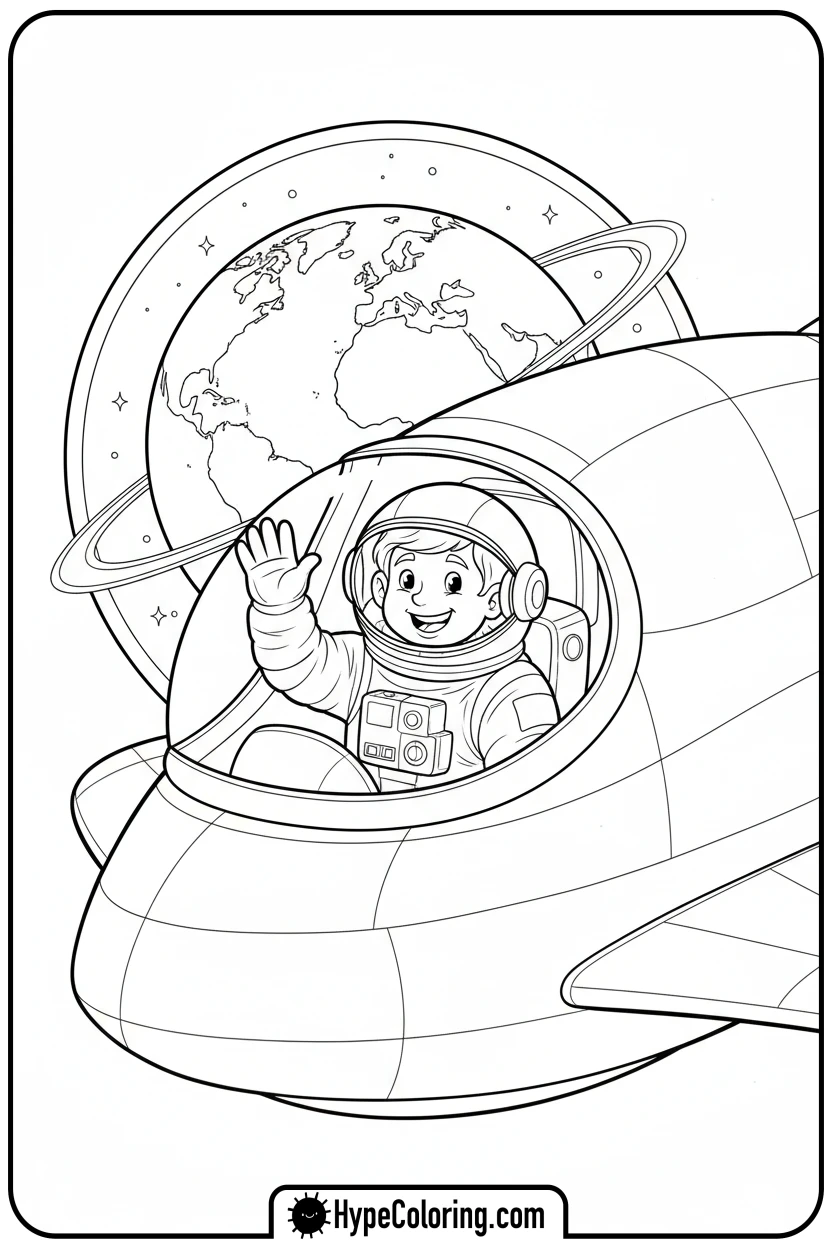
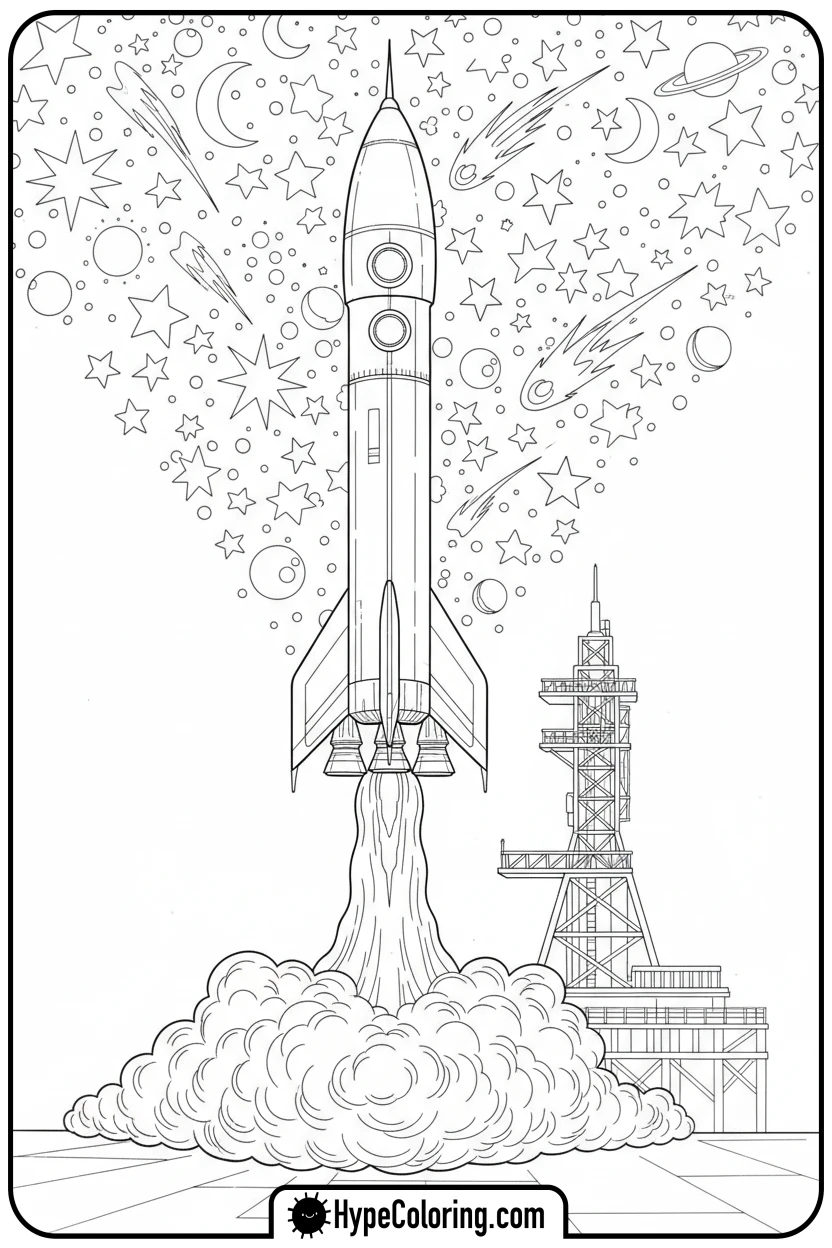
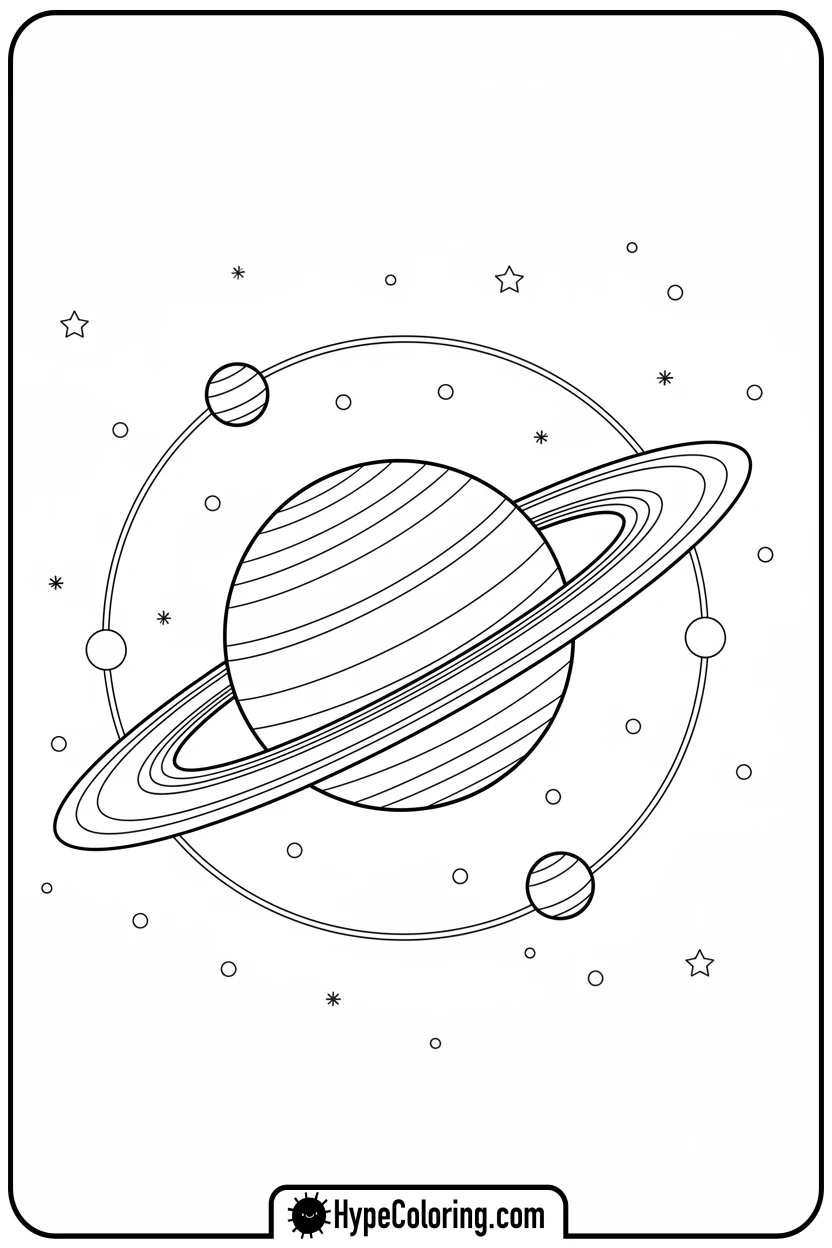
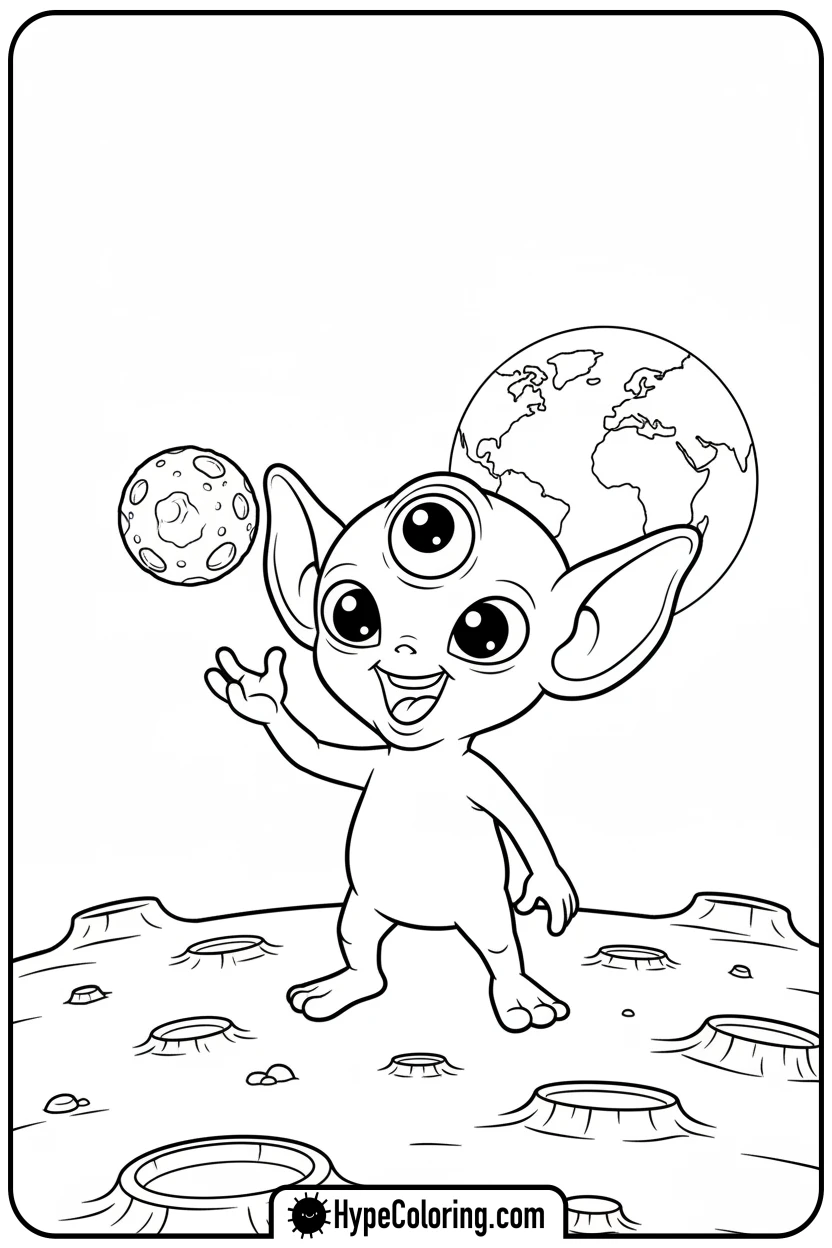

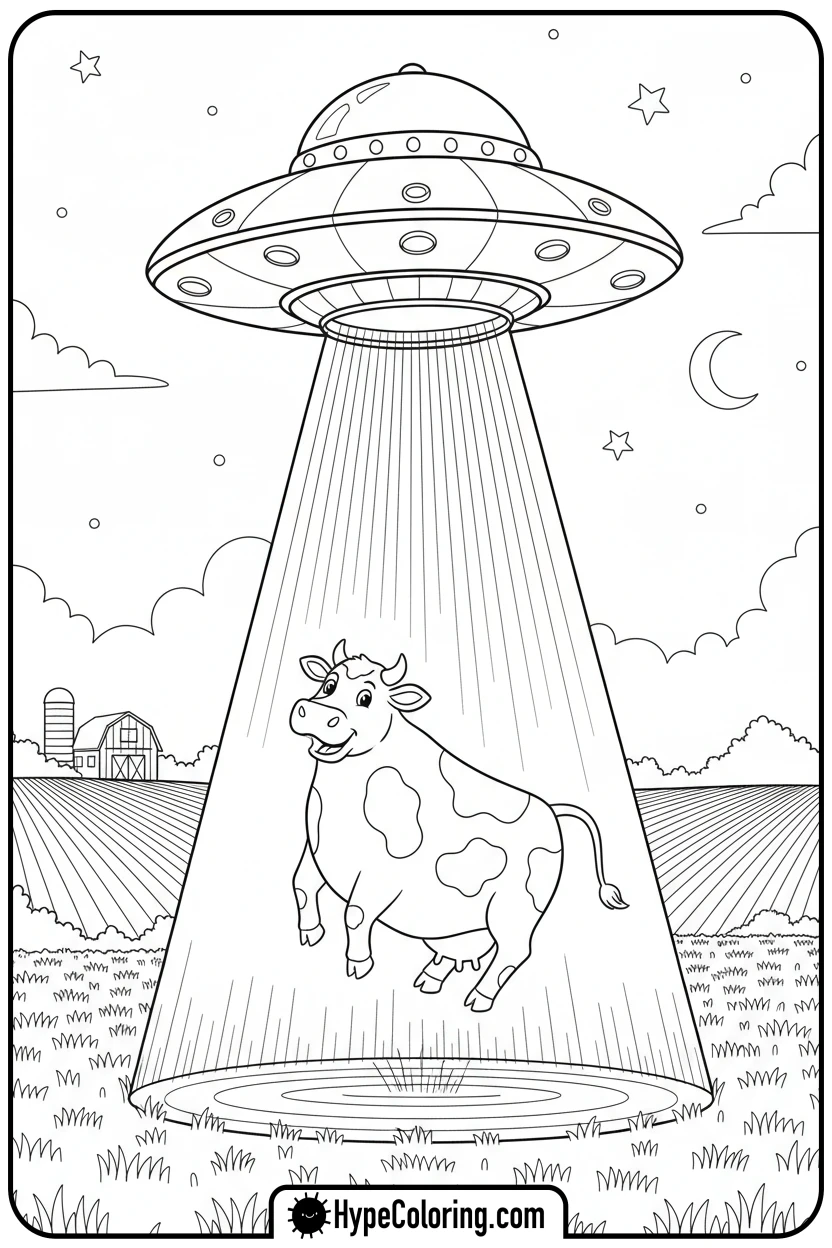
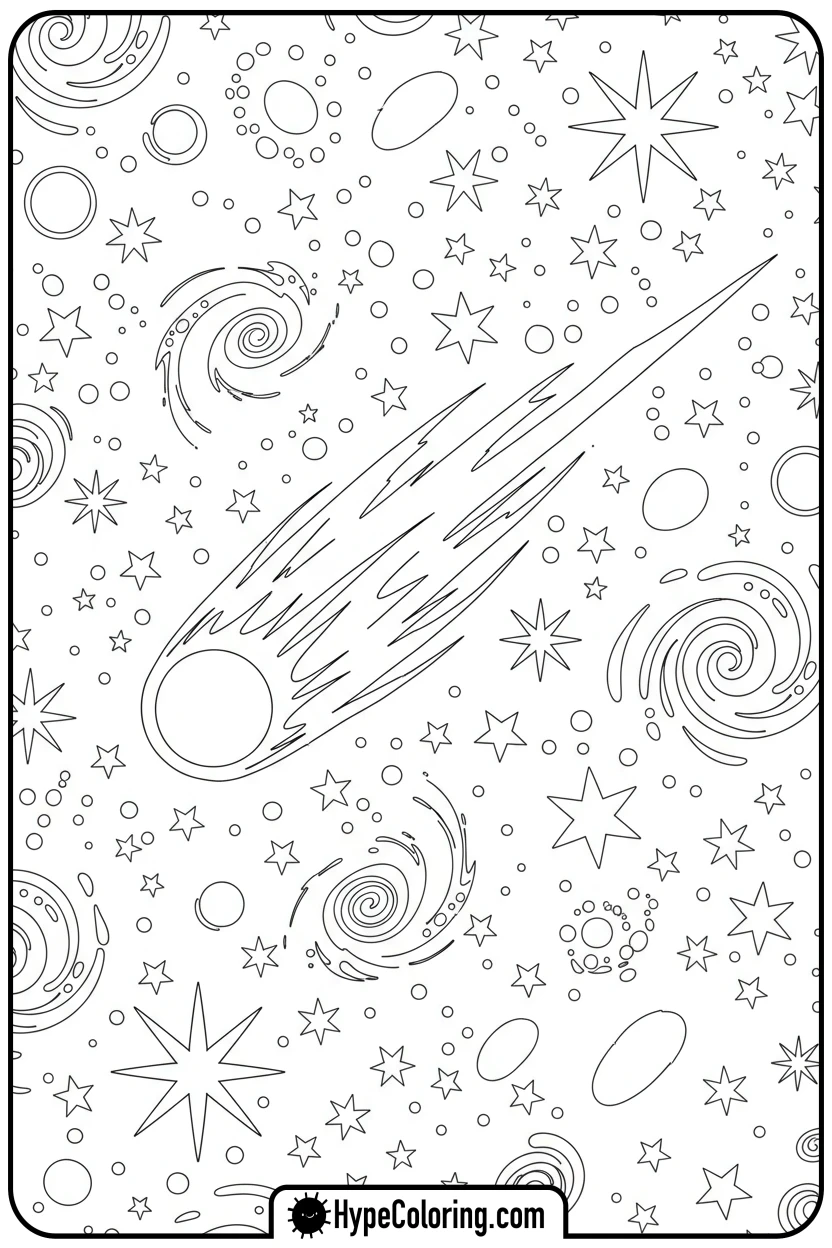
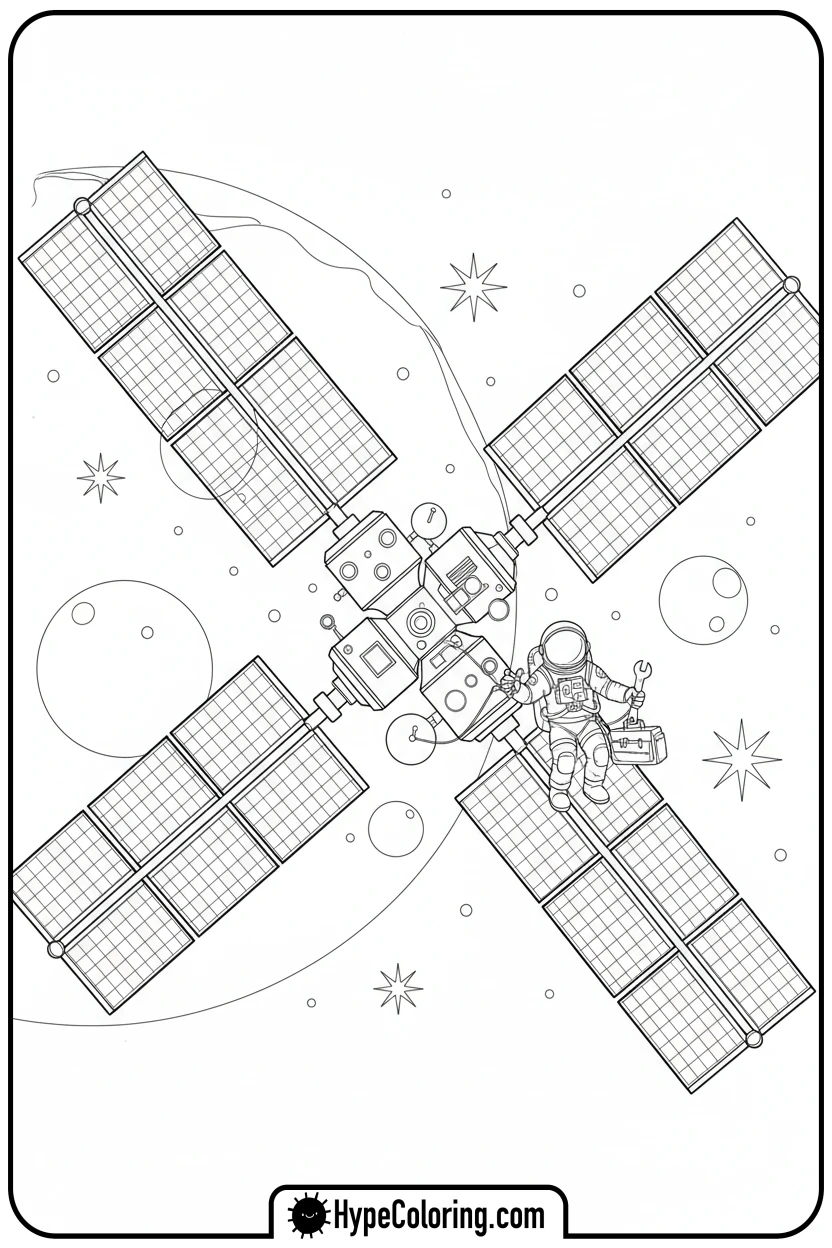
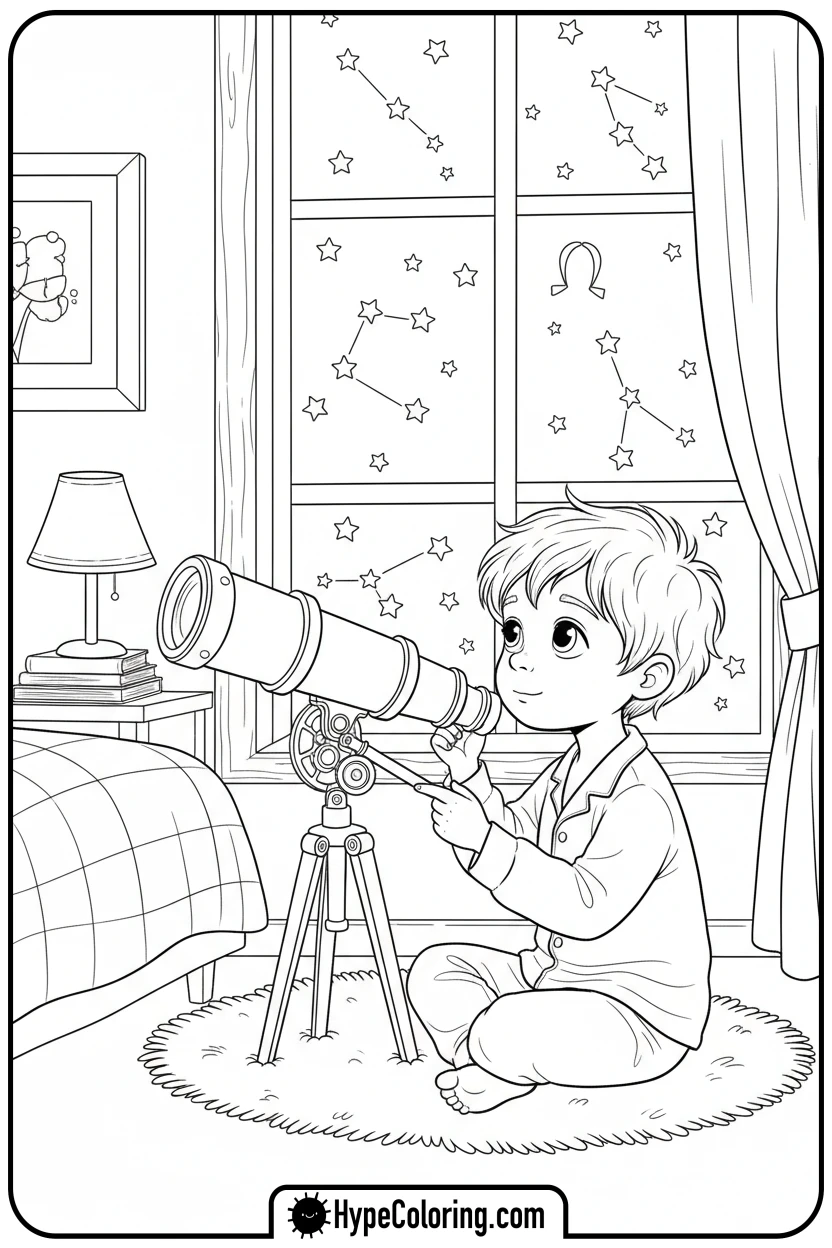
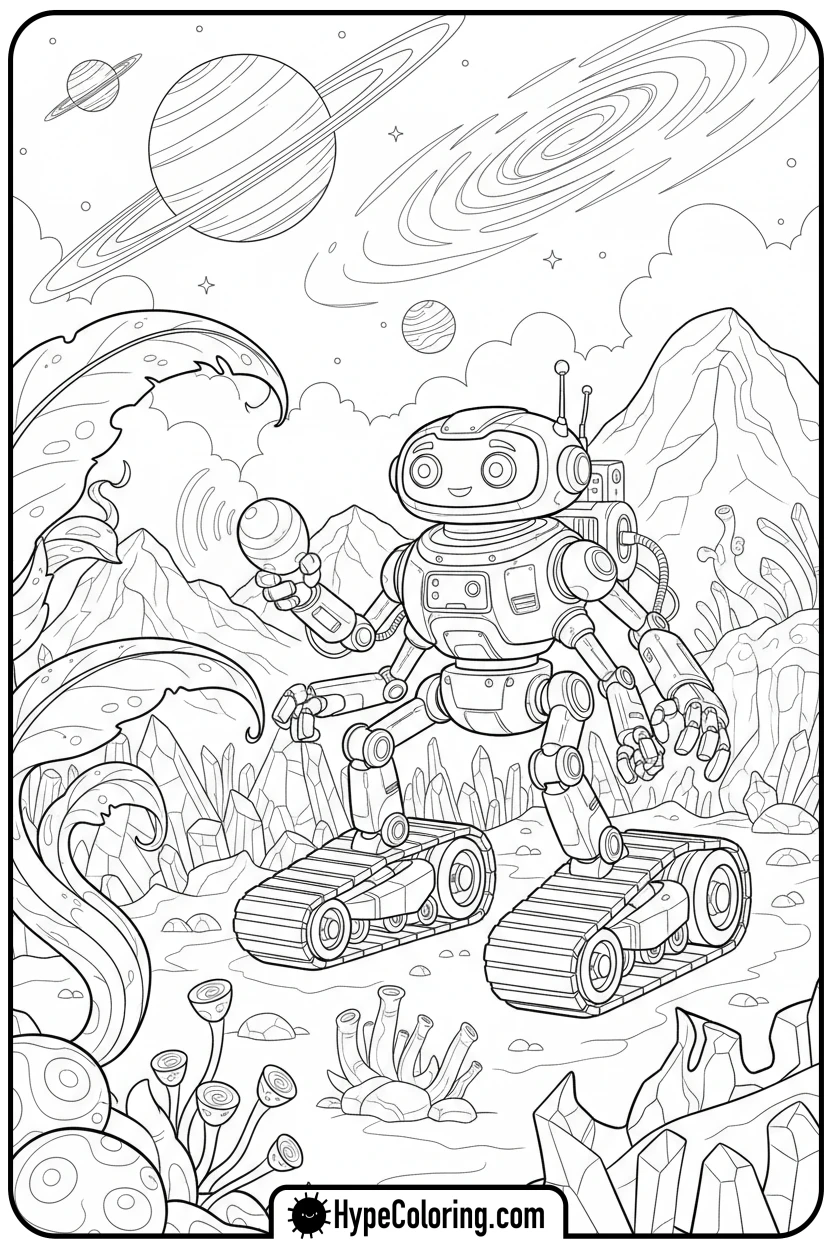
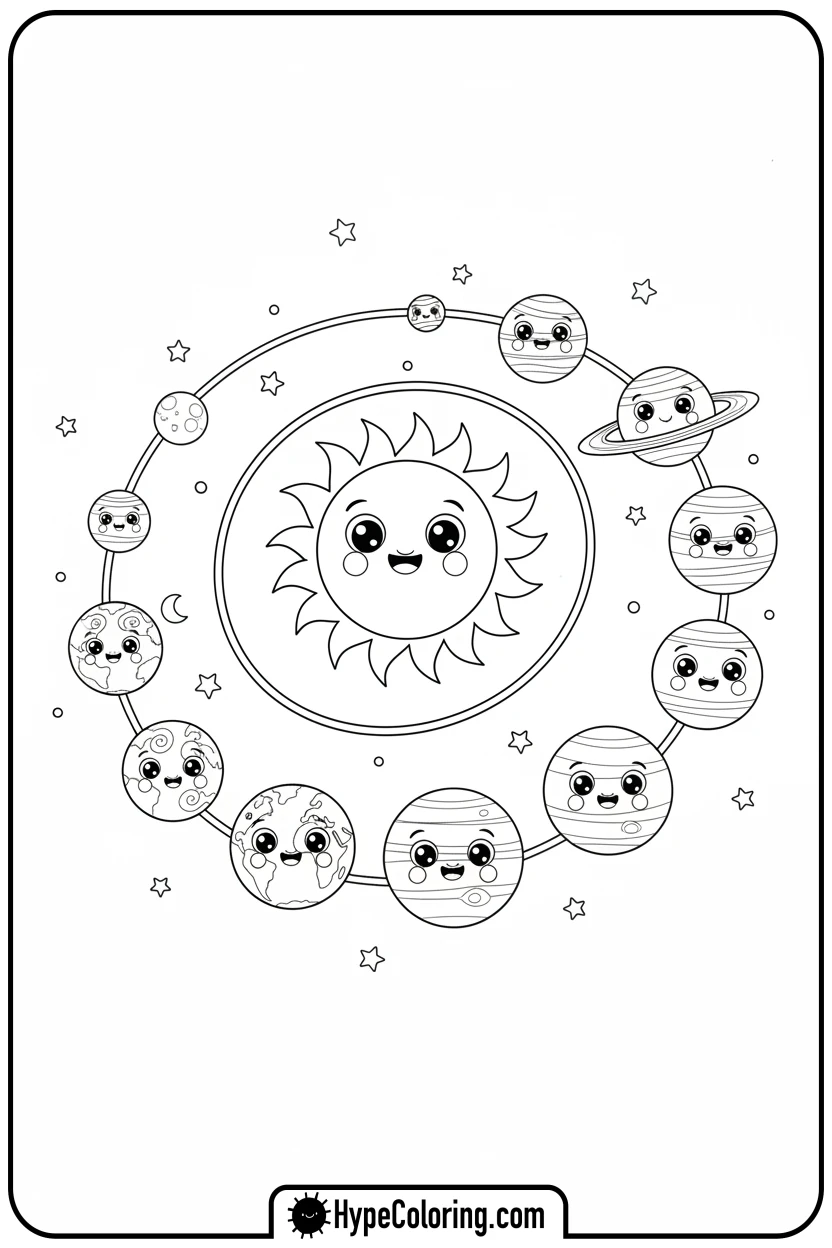
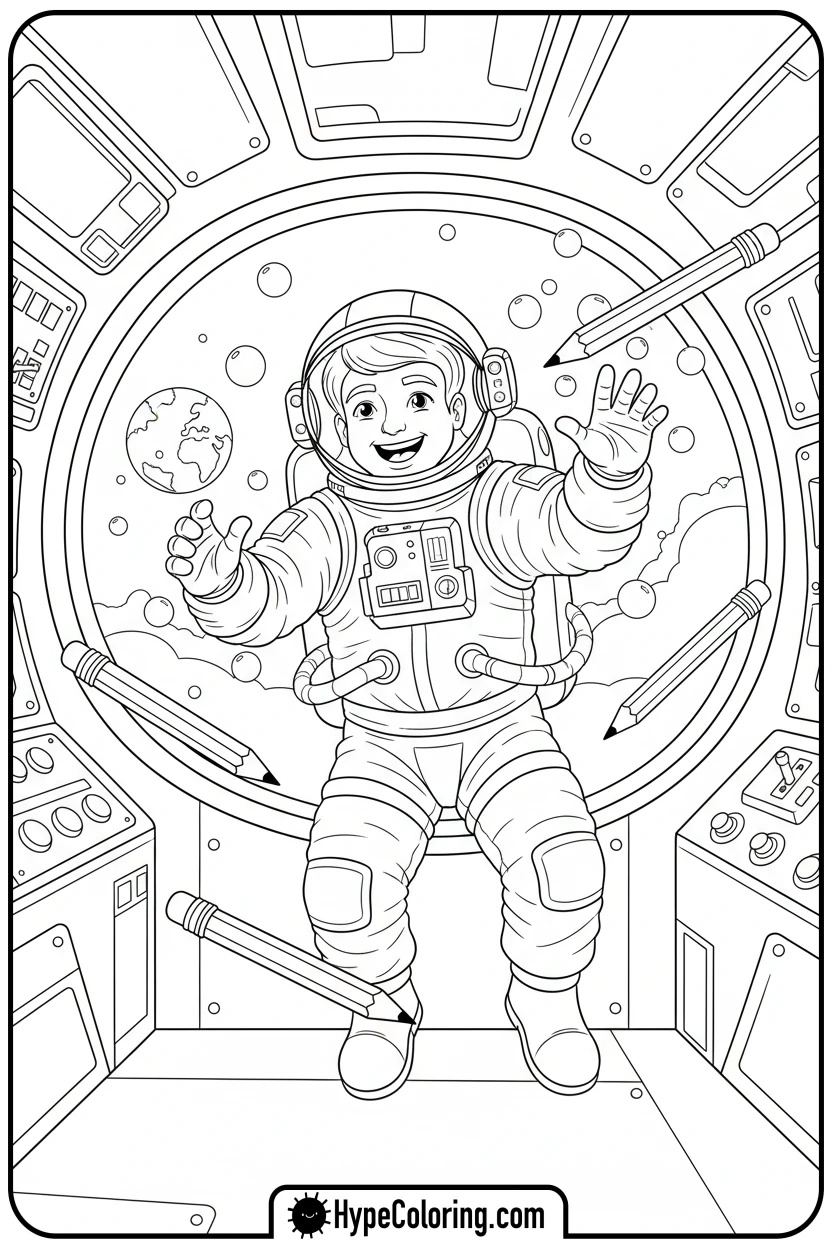
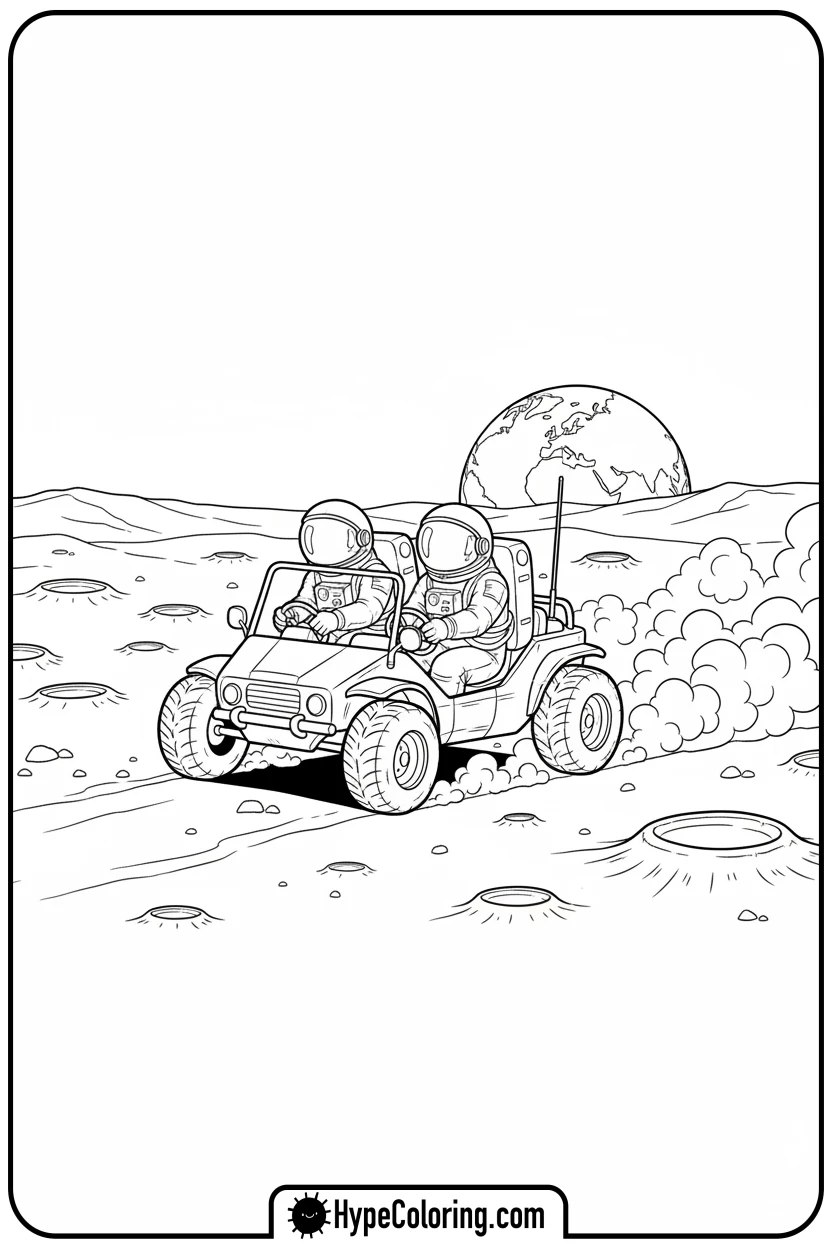
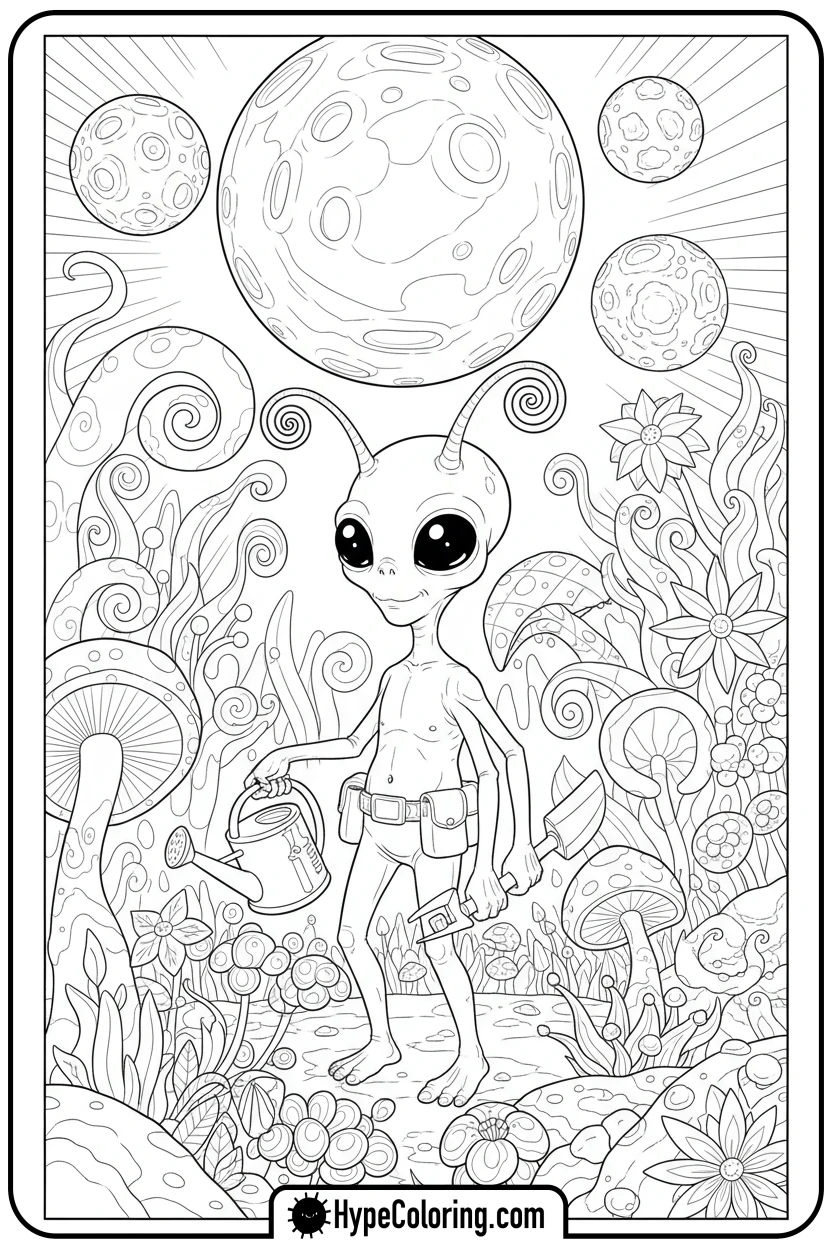
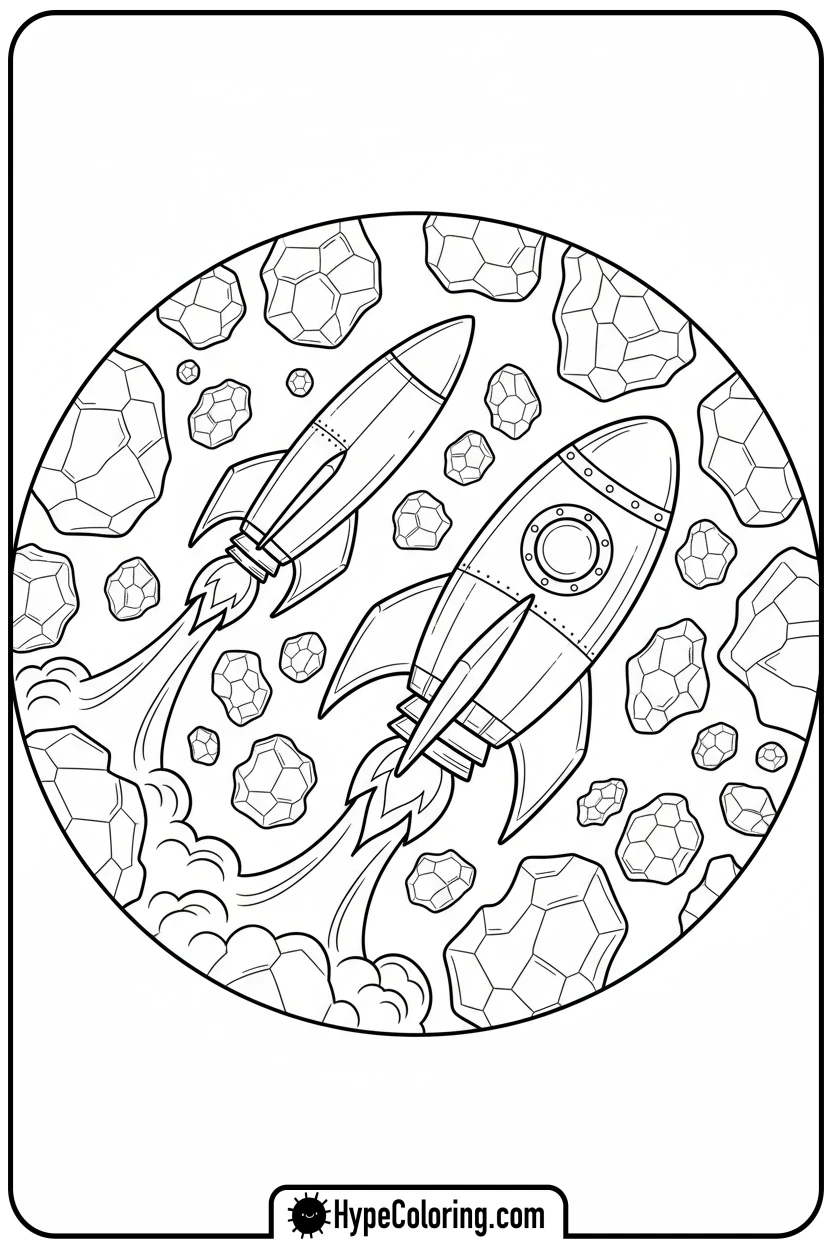
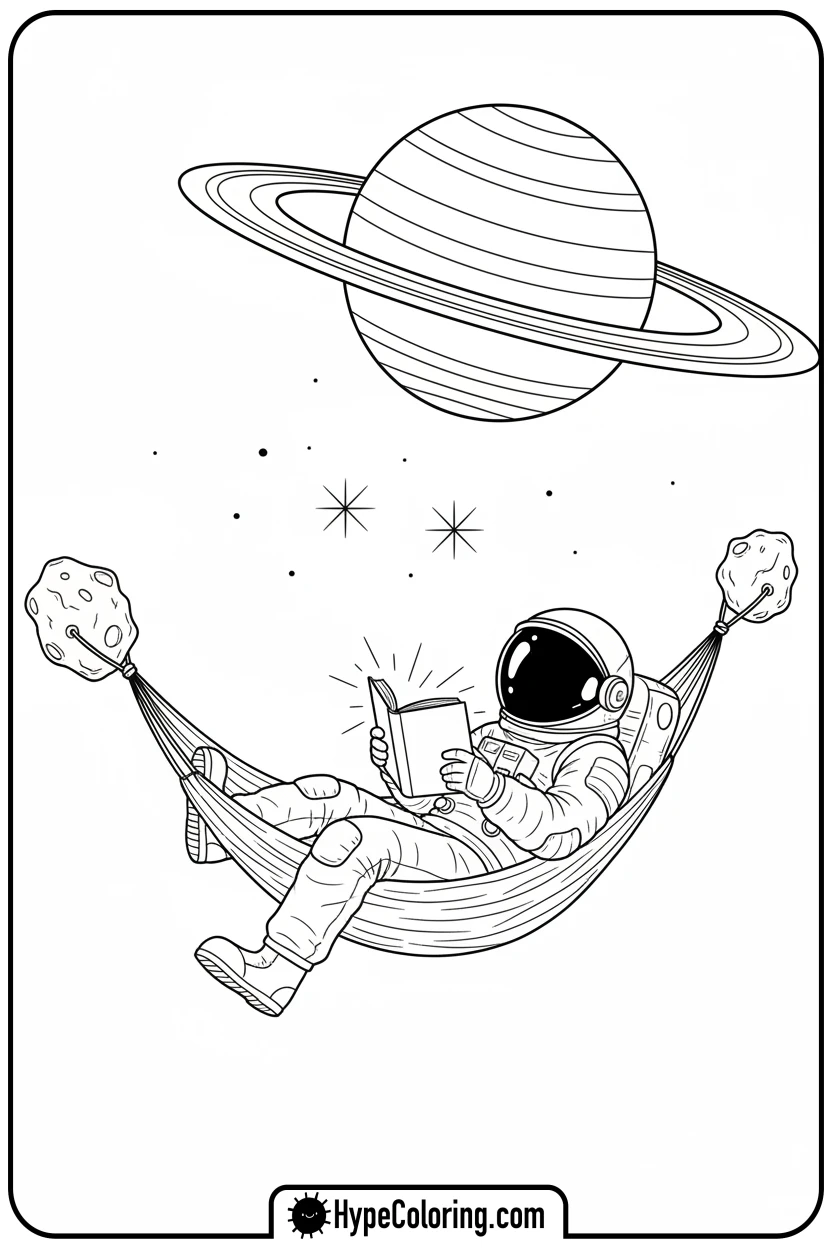
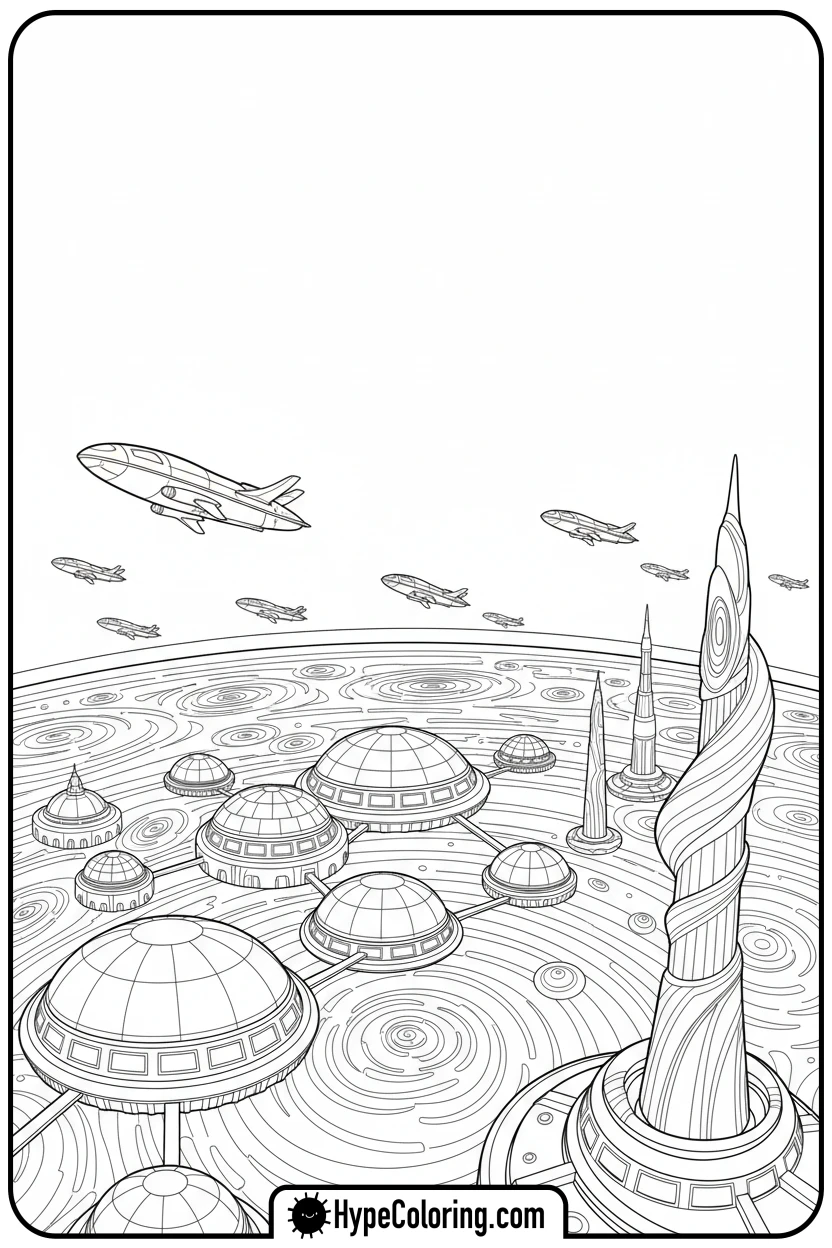
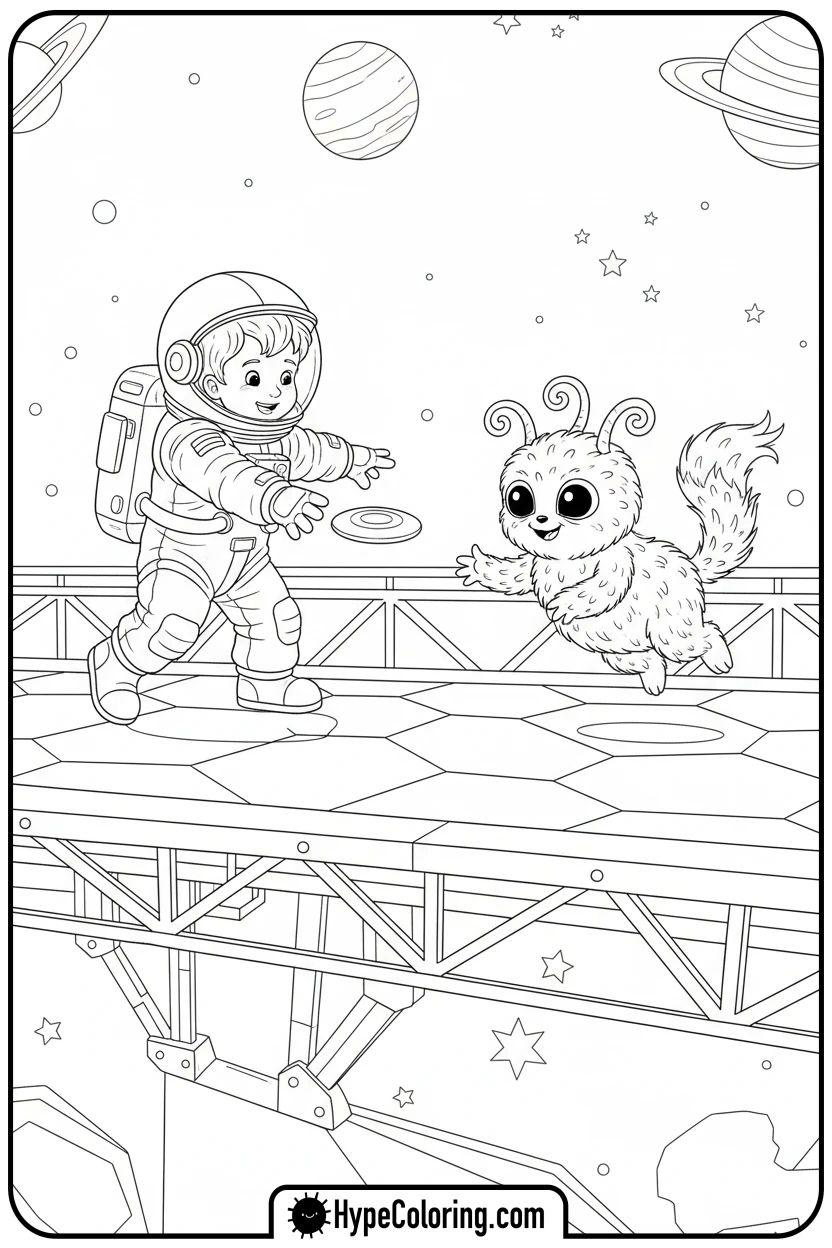
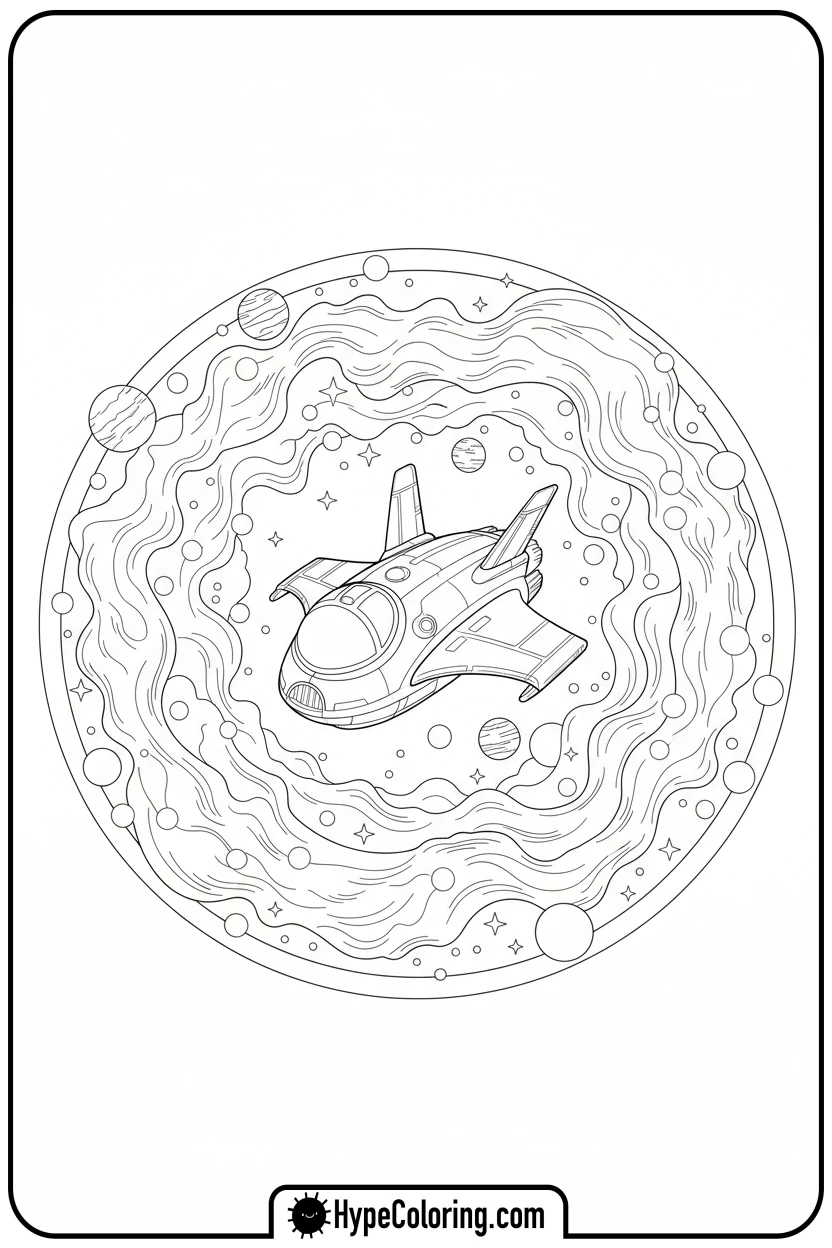
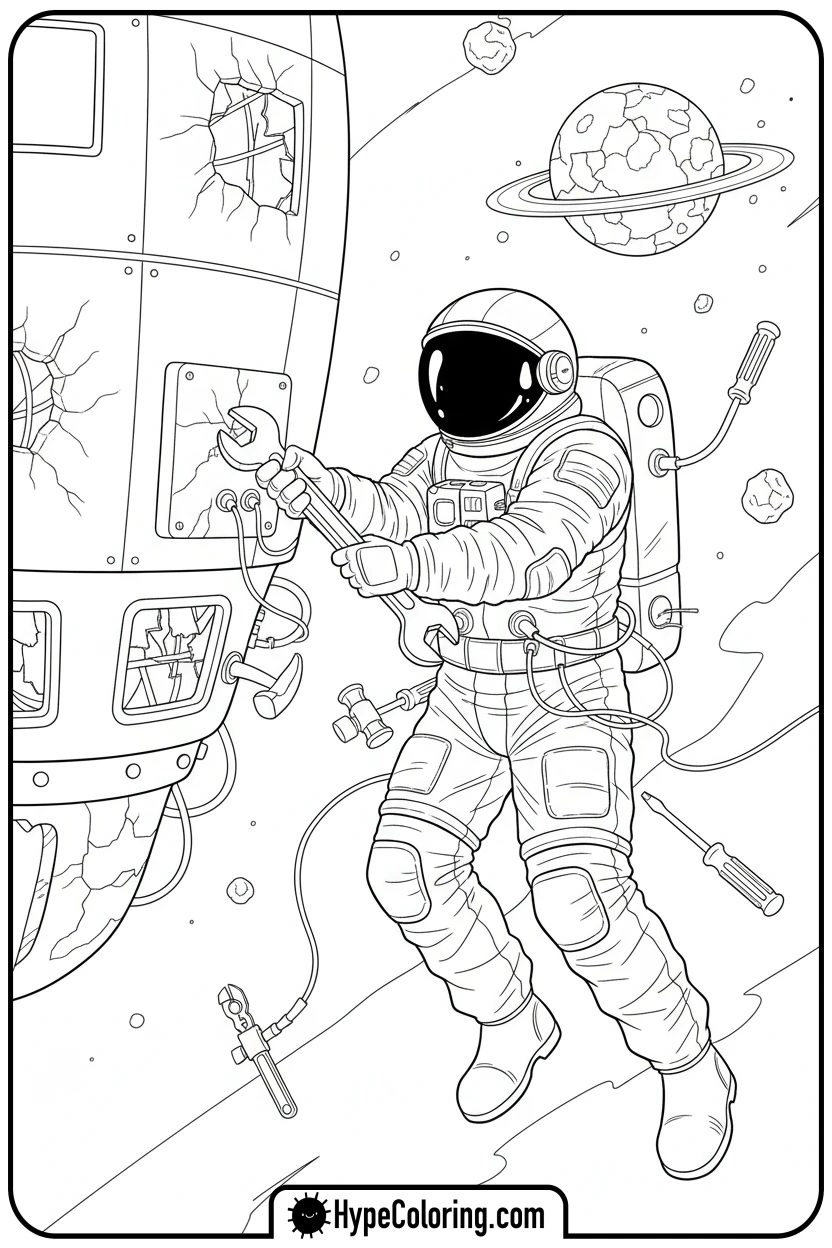
Table of Contents
Exploring the Universe: Space Coloring Pages Guides
Astronauts in Action
Astronauts are explorers who travel beyond Earth’s atmosphere, enduring rigorous training to perform vital scientific missions and repairs in zero gravity. The first human in space was Yuri Gagarin in 1961, followed shortly by Alan Shepard from the U.S. Their suits are complex, multi-layered garments designed to protect them from extreme temperatures, radiation, and the vacuum of space. You can learn more about their incredible work at the NASA website.
For accurate astronaut coloring pages, focus on shades of white, light gray, and silver for the suit, with accents of dark blue or red for national flags and mission patches. The helmet visor often has a reflective gold or dark blue tint. With markers, use a light gray base for the suit and add subtle shading with a slightly darker gray marker to define folds and contours, making the suit appear more three-dimensional.
Many of these space coloring pages feature astronauts in various roles. You’ll find them in designs #1 (waving from a spaceship), #5 (planting a flag on the Moon), #8 (spacewalk repair), #12 (floating in a cabin), #13 (driving a moon buggy), #16 (relaxing in a hammock), #18 (playing with an alien pet), and #20 (repairing a damaged ship).
Rockets and Spaceships
Rocketry is a science that dates back centuries, but modern rockets use powerful engines to overcome Earth’s gravity, propelling spacecraft into orbit or beyond. The Saturn V rocket, used for the Apollo missions, remains one of the most powerful rockets ever built. Spaceships range from sleek, aerodynamic designs for planetary travel to modular vessels for deep-space exploration.
For these rocket coloring pages, you’ll typically need white, silver, and various shades of gray for the body, with vibrant reds, oranges, and yellows for the dramatic exhaust flames during launch. For futuristic ships, consider metallic blues, purples, or greens. With colored pencils, try layering yellow and orange heavily for the flames, then lightly blending in red at the edges to create a fiery, smoky effect that suggests intense heat and motion.
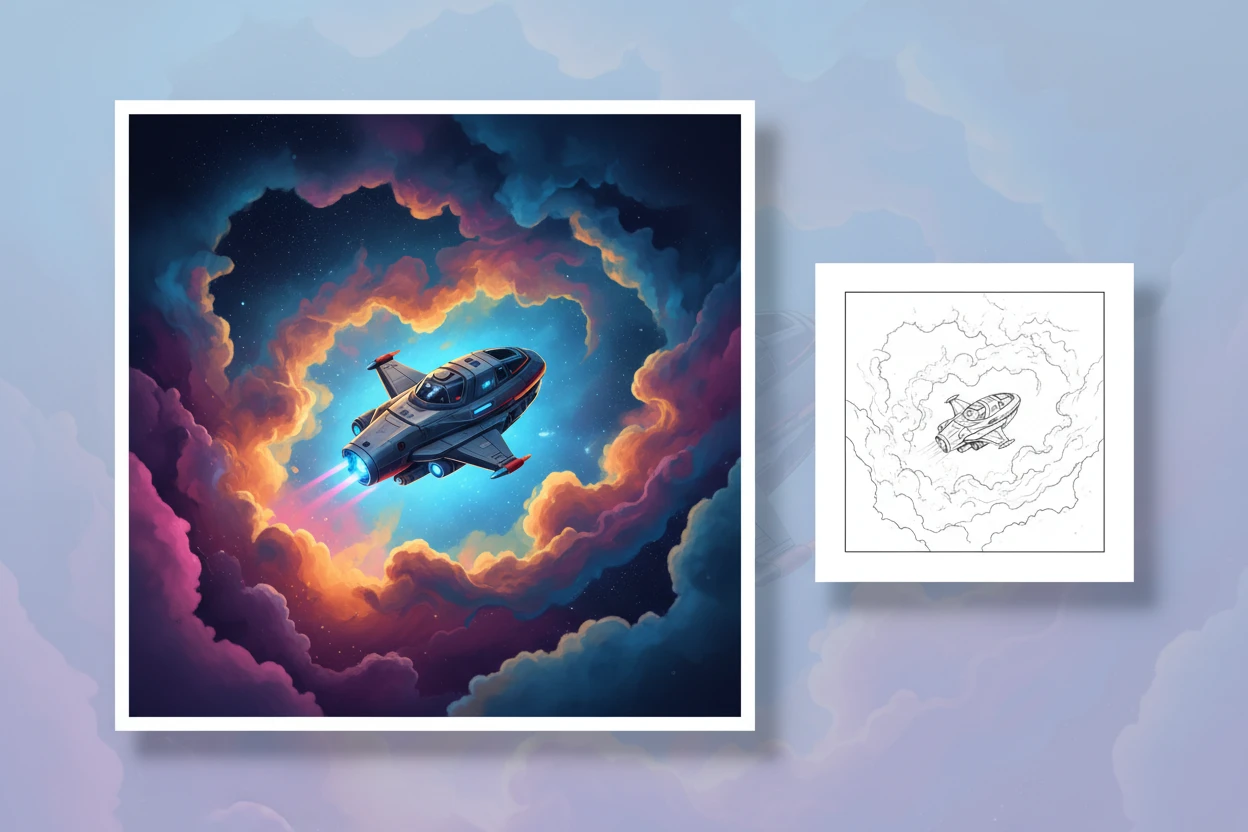
These engaging space coloring pages highlight different types of spacecraft. Designs #1 (sleek spaceship), #2 (towering rocket launch), #15 (racing rockets), and #19 (advanced spaceship in a nebula) showcase these incredible vehicles. You can also spot a damaged spaceship in design #20.
Planets and Our Solar System
Our solar system consists of eight planets, dwarf planets, moons, asteroids, and comets, all orbiting our Sun. Each planet is unique: Earth is known for its blue oceans and green landmasses, Mars for its reddish-brown dusty surface, and Saturn for its iconic rings, made of ice and rock particles. The study of planets is called planetary science.
When coloring these planet coloring pages, use a base of blue and green for Earth, rusty orange and brown for Mars, and yellows and browns with distinct rings for Saturn-like planets. For whimsical depictions, like those in our solar system coloring pages, you can get creative with cheerful faces using light pink for cheeks and black for eyes and smiles. For the ringed planet in design #3, use crayons to create circular strokes for the rings, varying pressure to show texture and depth, then use a solid color for the planet itself.
Explore various celestial bodies in these space coloring pages. Designs #3 (majestic ringed planet), #11 (whimsical solar system parade), and #17 (stylized alien planet from orbit) offer diverse planetary scenes.
Friendly Aliens and UFOs
The concept of alien life has fascinated humanity for centuries, from simple microbes to intelligent beings. While no definitive proof of extraterrestrial life has been found, scientists continue to search for signs in various forms. UFOs, or Unidentified Flying Objects, are often depicted as saucer-shaped crafts, a popular image in science fiction and folklore.
For alien coloring pages, the color palette is virtually limitless! Cute green aliens (like in design #4) can use lime green for the skin and dark green for shadows, with purple or yellow for outfits. UFOs (design #6) are often silver or metallic gray, with glowing lights that could be blue, green, or red. When coloring the multi-limbed robot in design #10, use metallic grays and silvers, with bright yellow or green for glowing parts. For the whimsical alien gardener in design #14, consider vibrant pinks, purples, and blues for the alien and its exotic space plants.
To color the soft glow of a UFO’s light beam, as seen in design #6, use colored pencils to layer a very light yellow or white crayon first, then gently blend a translucent blue or green over it, allowing the background to show through slightly. These free printable space coloring pages feature imaginative extraterrestrial encounters. Designs #4 (giggling alien on the Moon), #6 (UFO with a cow), #10 (exploration robot), #14 (alien gardener), and #18 (child astronaut with alien pet) bring these whimsical creatures to life.
Cosmic Wonders: Nebulas and Comets
Nebulas are vast clouds of gas and dust in space, often serving as stellar nurseries where new stars are born. They come in breathtaking arrays of colors, from vibrant pinks and reds (due to hydrogen) to blues and greens (from oxygen and other elements). Comets, on the other hand, are icy bodies that release gas and dust as they approach the Sun, creating a spectacular tail that can stretch for millions of miles.
Coloring these galaxy coloring pages, you’ll need a wide range of bright, swirling colors for nebulas: deep purples, blues, pinks, and yellows, blended seamlessly. For comets, use white or light gray for the nucleus, with a long, translucent tail in shades of light blue, white, and a hint of yellow for the glowing dust. With soft pastels or chalk, you can achieve a stunning, ethereal blend for nebulas. Use sweeping, circular motions to blend colors, creating the illusion of swirling cosmic dust and gas.
Witness the breathtaking beauty of the cosmos across these space coloring pages. Design #7 features a brilliant comet streaking across the sky, while design #19 showcases a small spaceship flying through a vibrant nebula.
Space Stations and Observatories
Space stations are habitable artificial satellites designed for long-term operations in space, serving as research laboratories and outposts for human presence beyond Earth. The International Space Station (ISS) is the largest and most complex ever built, continuously orbiting Earth since 1998. Observatories, like the Hubble Space Telescope, allow us to peer deep into the universe, revealing distant galaxies and phenomena.
For space station coloring pages, use metallic grays, silvers, and white for the main structure, with dark blue or black for the vastness of space surrounding it. Solar panels are typically dark blue or black. For the telescope scene (design #9), color the telescope in dark gray or black, with the child’s room in warm, comforting indoor colors. With colored pencils, use cross-hatching to add texture to the solar panels in design #8, creating a realistic, industrial look.
Our space station coloring pages provide intricate details. Designs #8 (detailed space station with an astronaut spacewalk) and #18 (space station walkway with a child astronaut) bring these incredible structures to your fingertips. Design #9 shows a child observing the night sky through a detailed telescope, a perfect addition to your collection of space coloring pages.
Lunar Missions and Exploration
The Moon, Earth’s only natural satellite, has been a target for human exploration since the 1960s. The Apollo program famously landed humans on its surface, where astronauts conducted experiments, collected samples, and left their mark. Lunar rovers, like the Apollo Lunar Roving Vehicle, allowed astronauts to explore greater distances across the rugged, crater-filled terrain.
When coloring these lunar exploration space coloring pages, think in muted tones: light grays, dusty browns, and off-whites for the Moon’s surface and craters. Earth, visible in the background, should be a vibrant blue and green. The moon buggy (design #13) can be silver or white, with dark gray tires. With crayons, use a rough, circular motion for the Moon’s cratered surface to mimic its uneven texture. For the distant Earth, use smooth, blended strokes of blue and green to represent the oceans and continents.
These free printable space coloring pages capture iconic moments of lunar exploration. Designs #5 (astronaut planting a flag) and #13 (astronauts driving a moon buggy) vividly depict humanity’s adventures on our closest celestial neighbor.
Creative Activities with Your Space Coloring Pages
Once you’ve finished coloring these incredible space coloring pages, the adventure doesn’t have to end!
- Create a Cosmic Mural: Cut out your finished astronaut, rocket, planet, and alien pages. Arrange and glue them onto a large sheet of dark blue or black poster board to create your very own sprawling space scene. Add glitter for stars or use white paint to draw constellations. This allows you to combine multiple free printable space coloring pages into one grand display.
- DIY Space Mobile: Carefully cut out individual elements like the comet from design #7, the planets from design #11, or an astronaut from design #12. Punch a small hole at the top of each cutout and thread a piece of string through. Hang them from a coat hanger or a crisscrossed set of craft sticks to create a dynamic, rotating space mobile for your room.
We hope these space coloring pages provide endless hours of creative fun and inspire a deeper appreciation for the wonders of the universe.