We offer a wide collection of free, high-quality printable coloring pages for kids and adults. From cute animals to intricate mandalas, our designs bring creativity and relaxation to everyone. Download, print, and start coloring today!
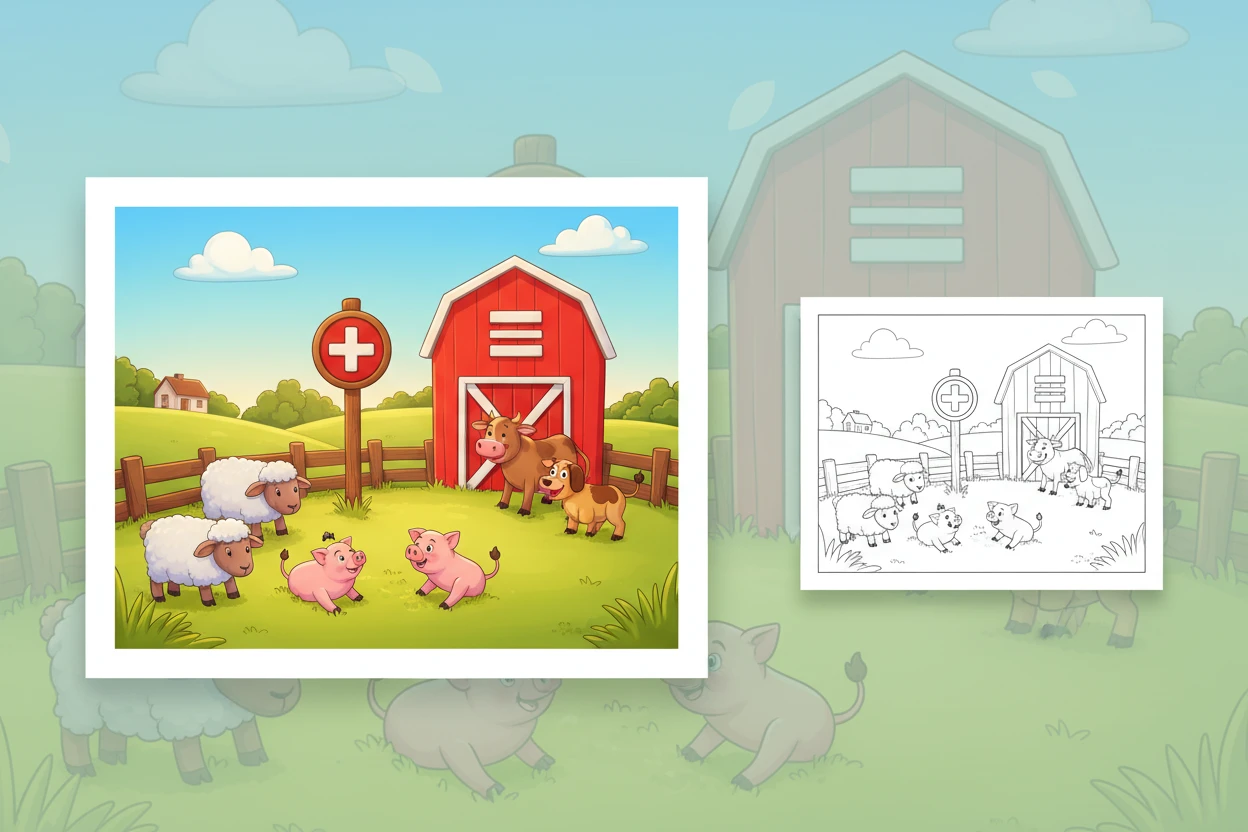
This collection of 20 addition coloring pages offers a vibrant and engaging way for children to practice basic math skills. Designed with a blend of creativity and education, these printable activities transform learning into an exciting visual adventure, perfect for young learners, teachers, and parents seeking interactive educational resources. Explore more printable math worksheets for kids and discover creative learning resources that make understanding sums a truly colorful experience.
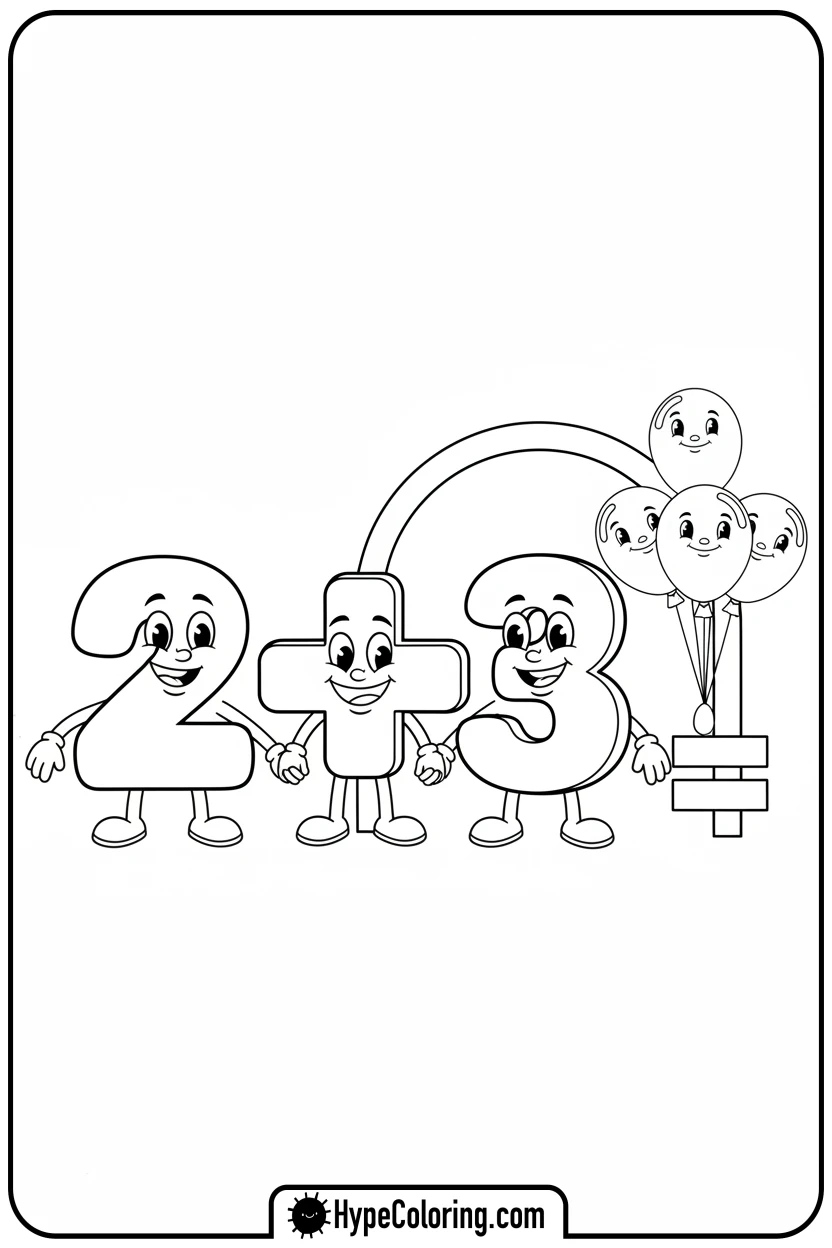
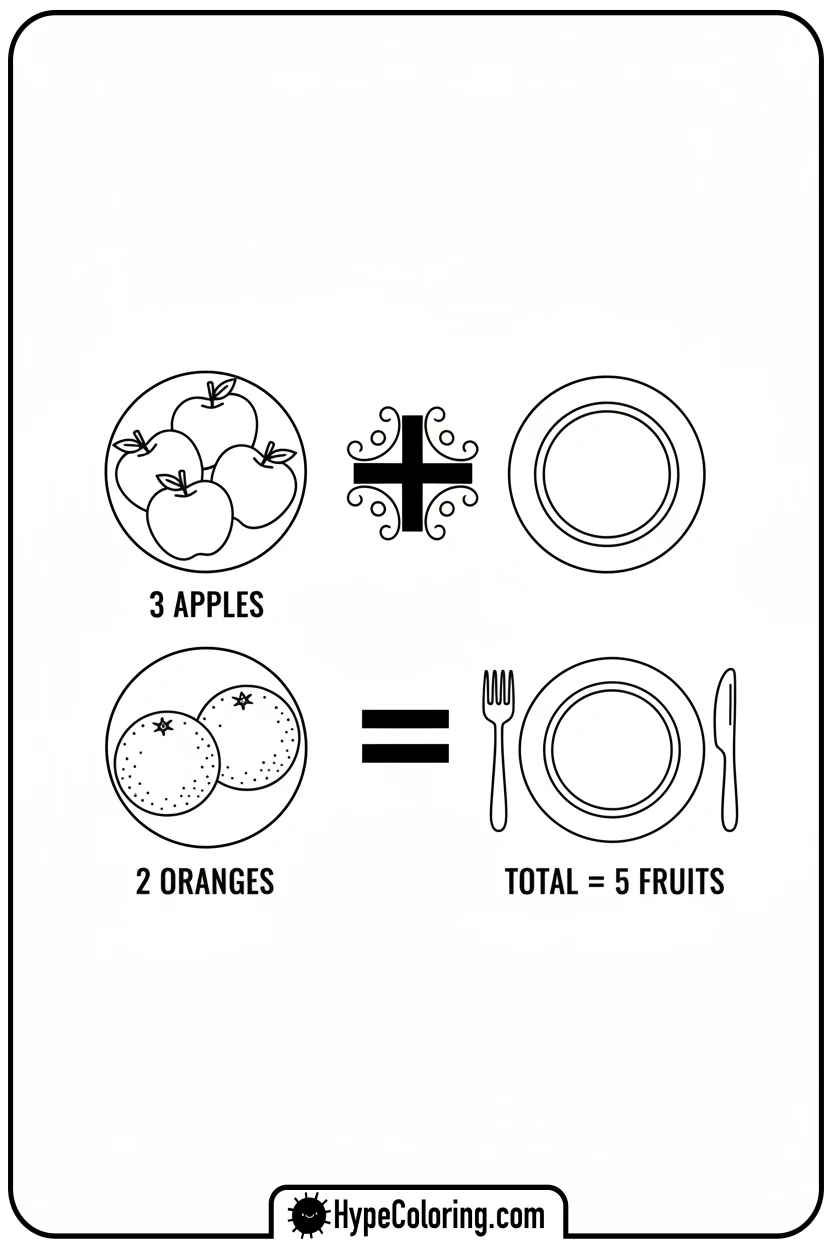
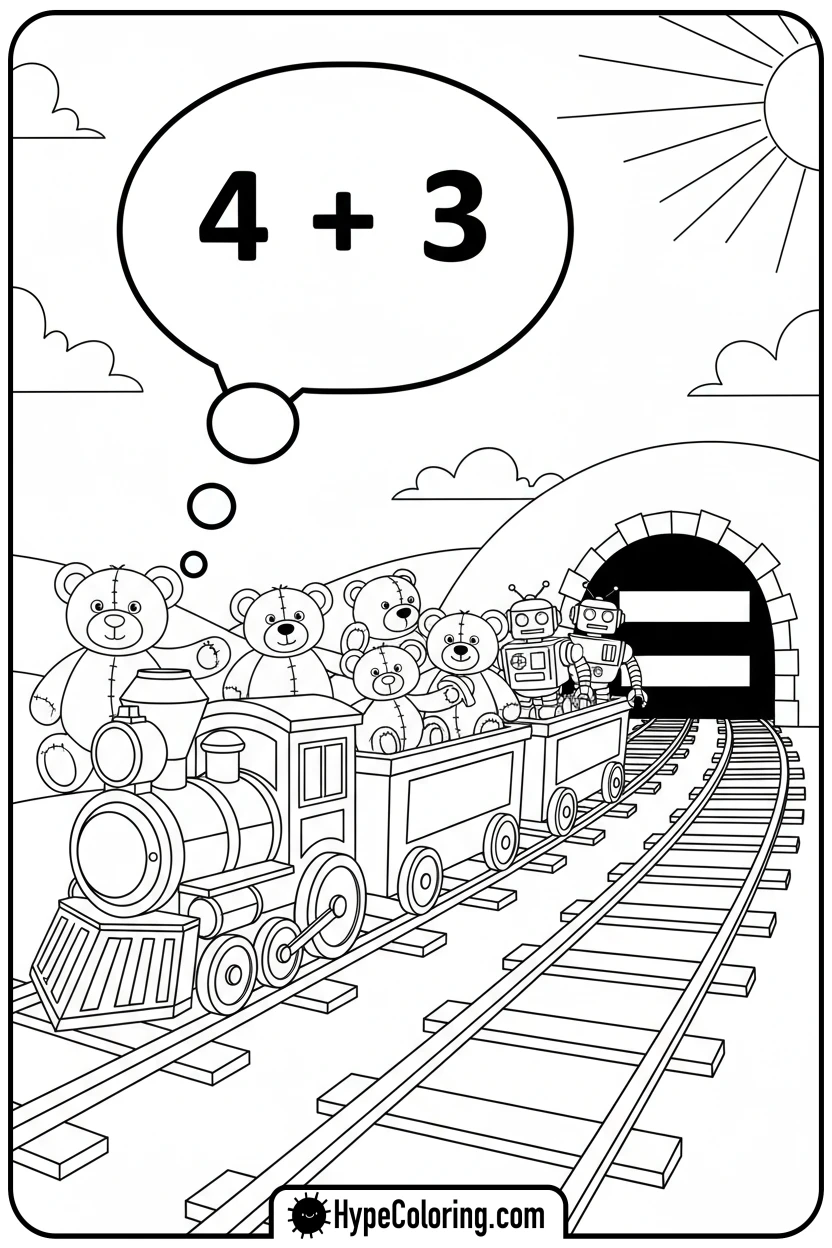
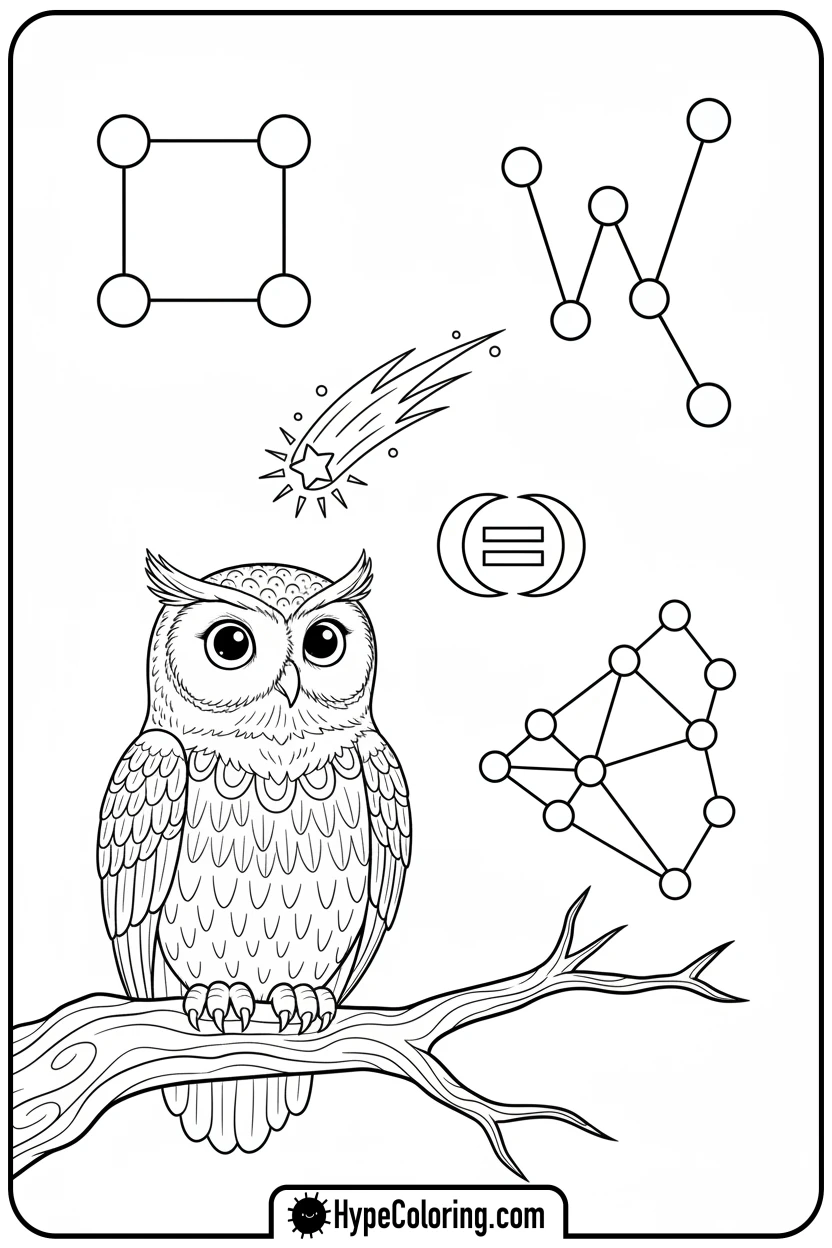
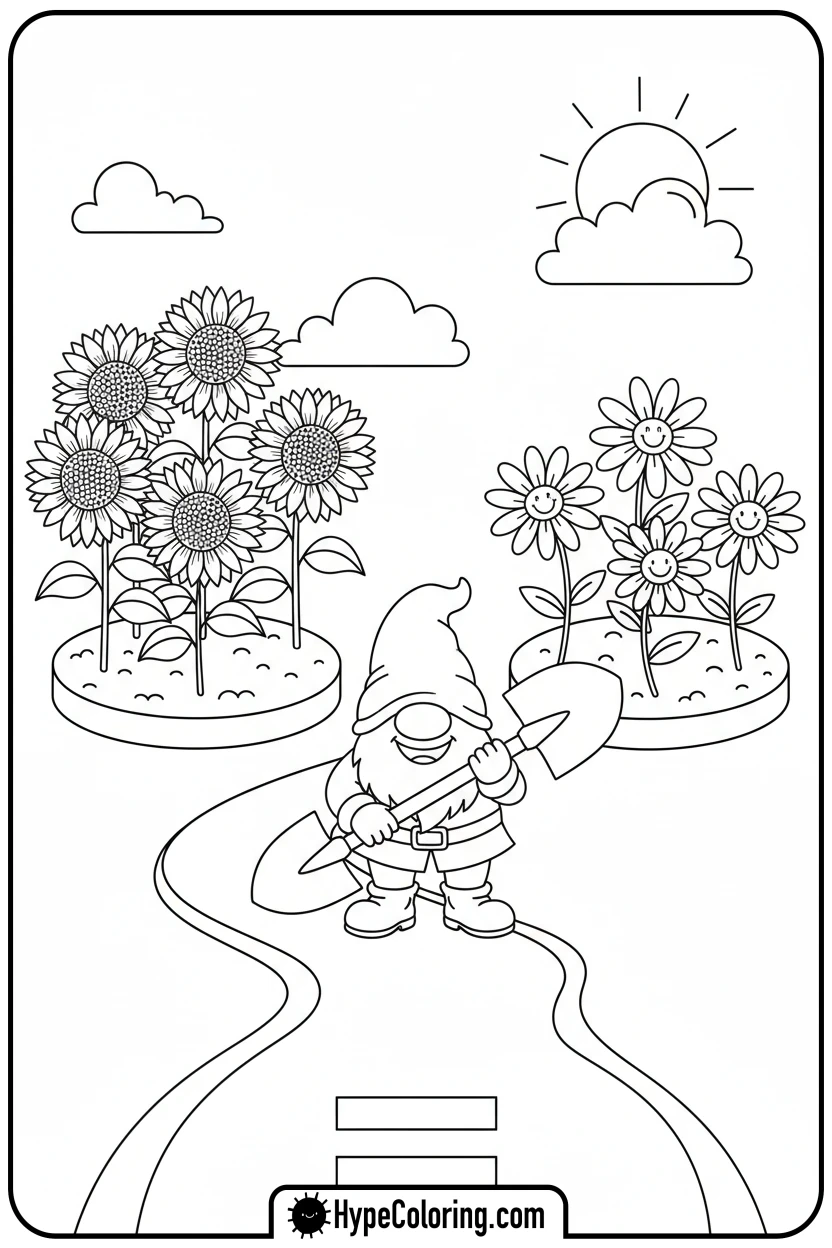
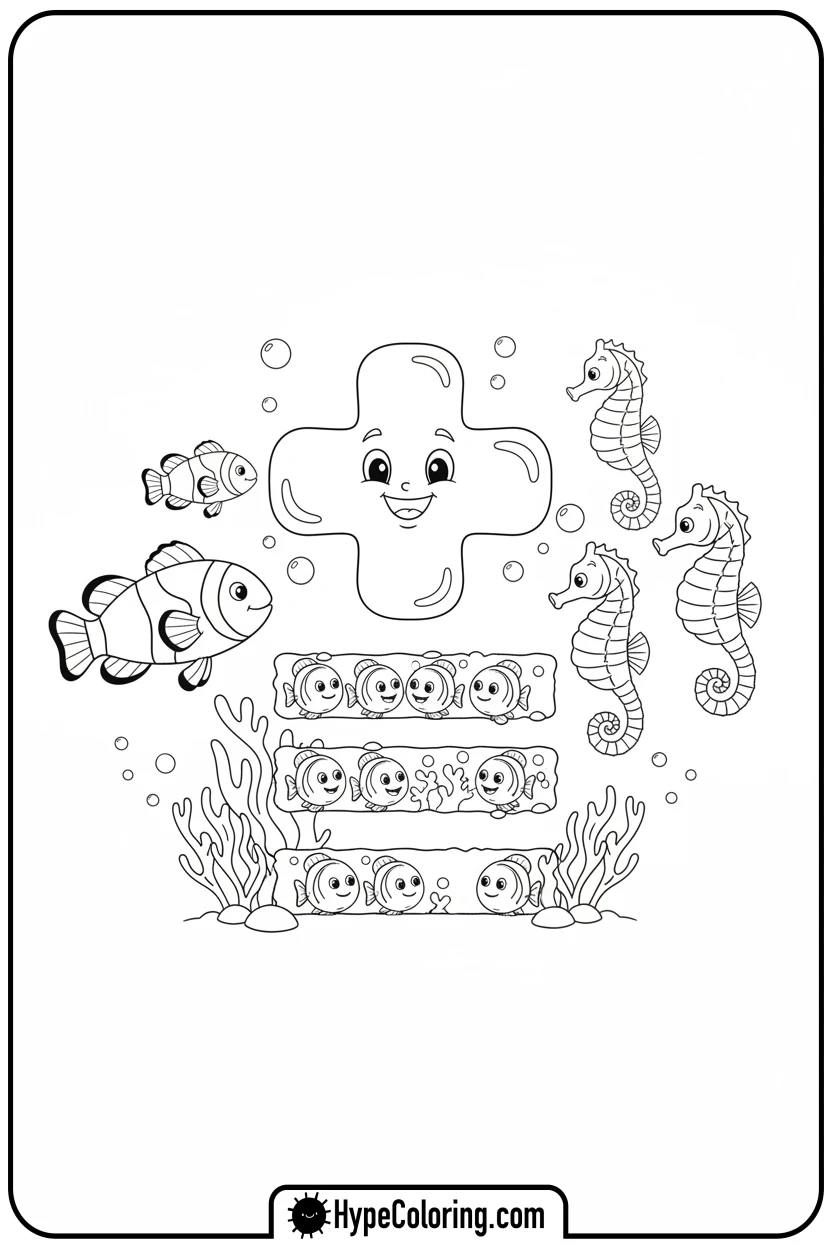
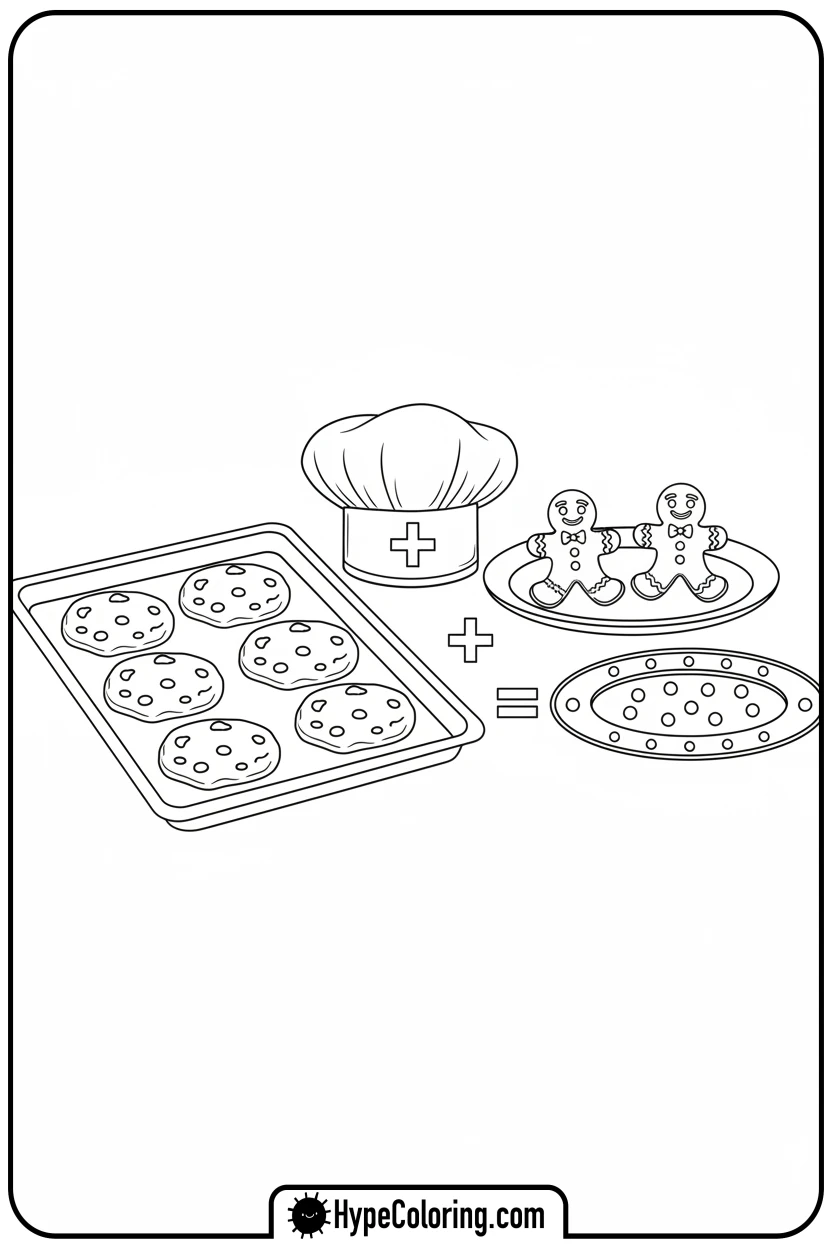
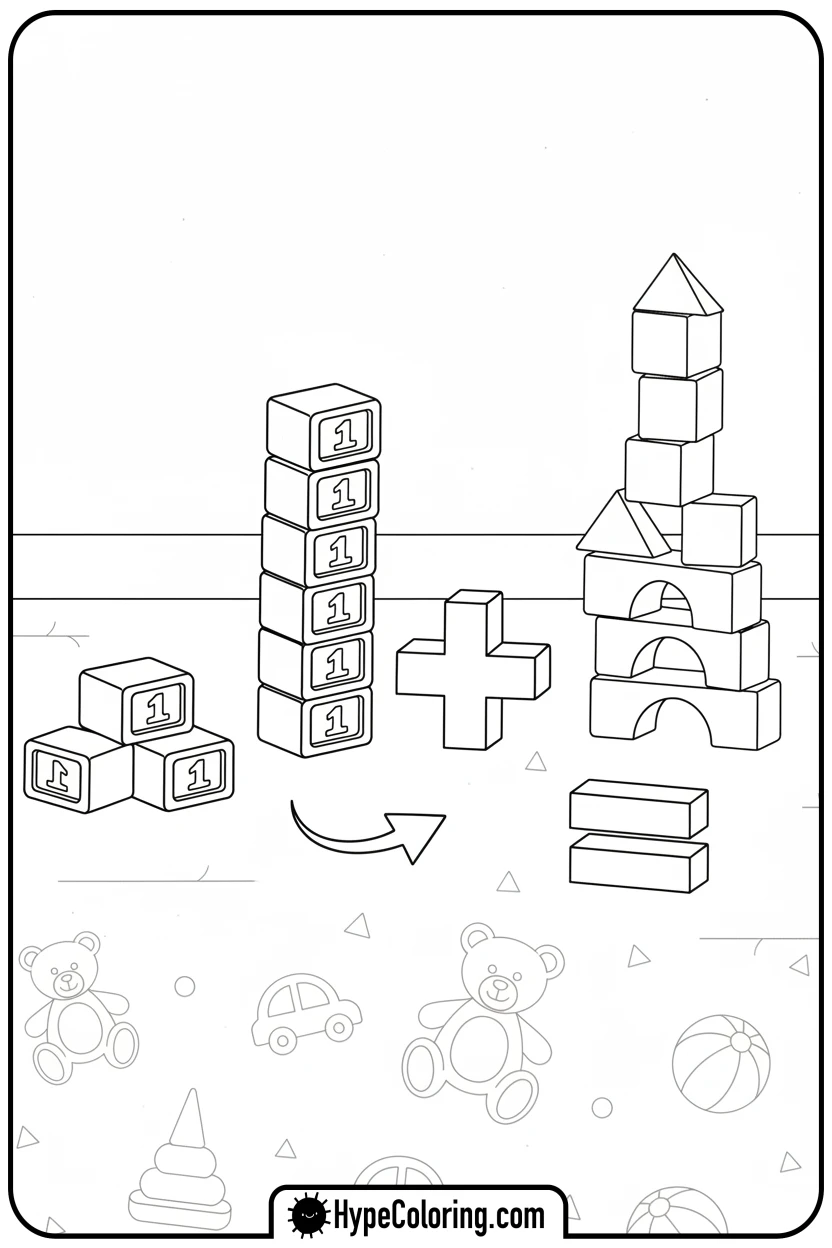
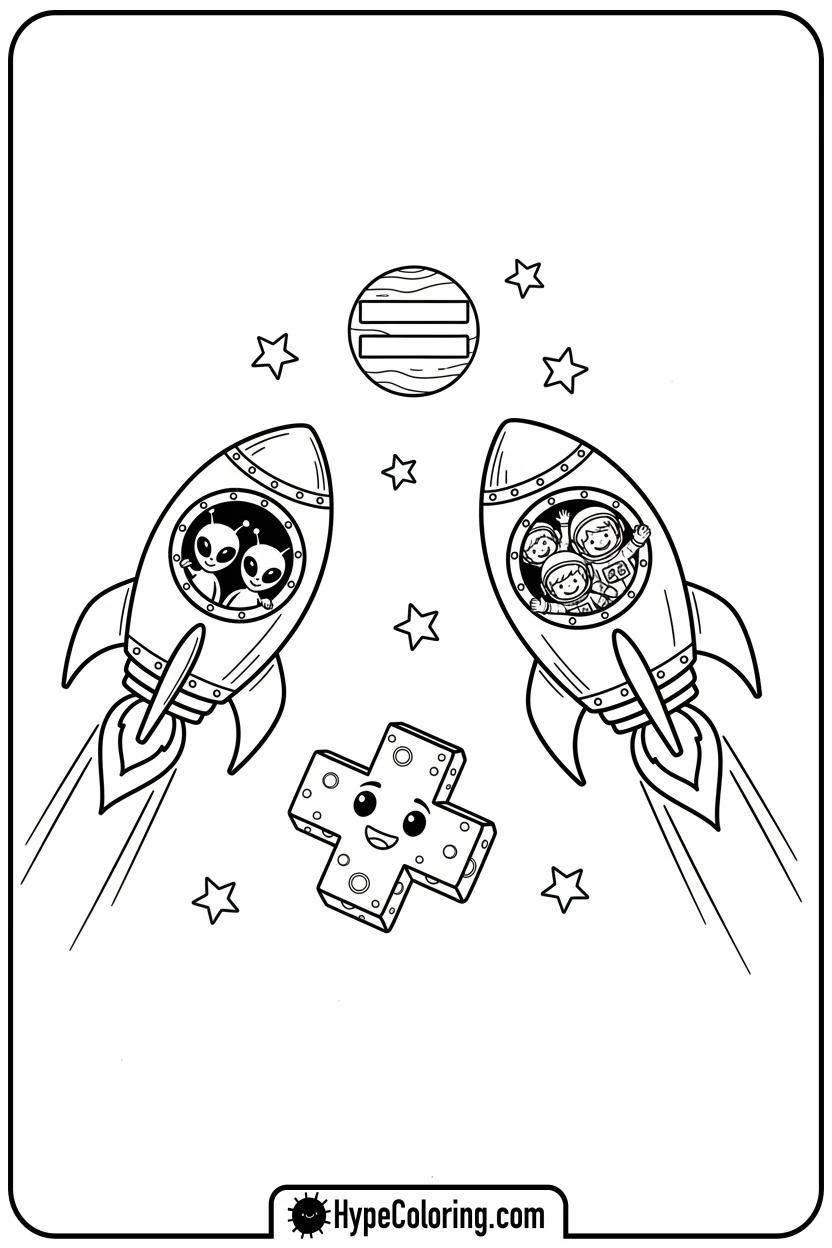
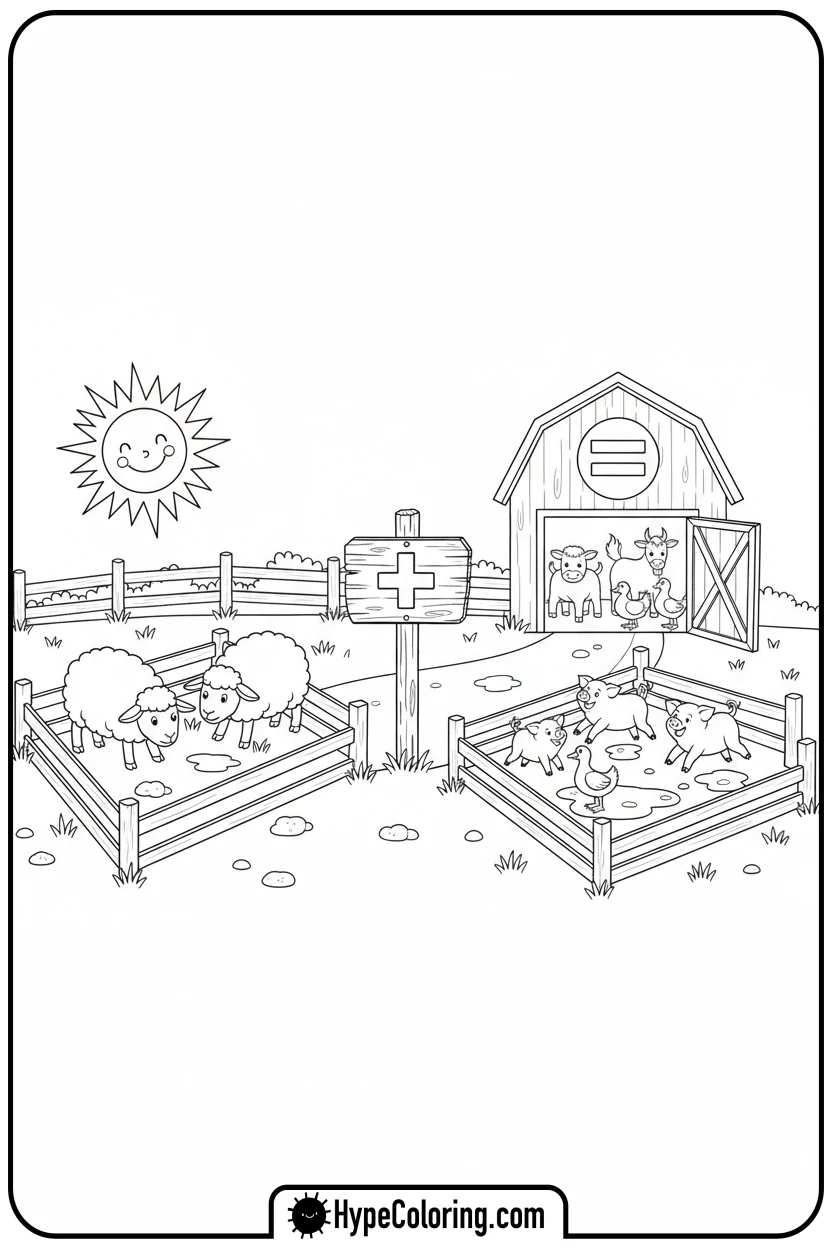
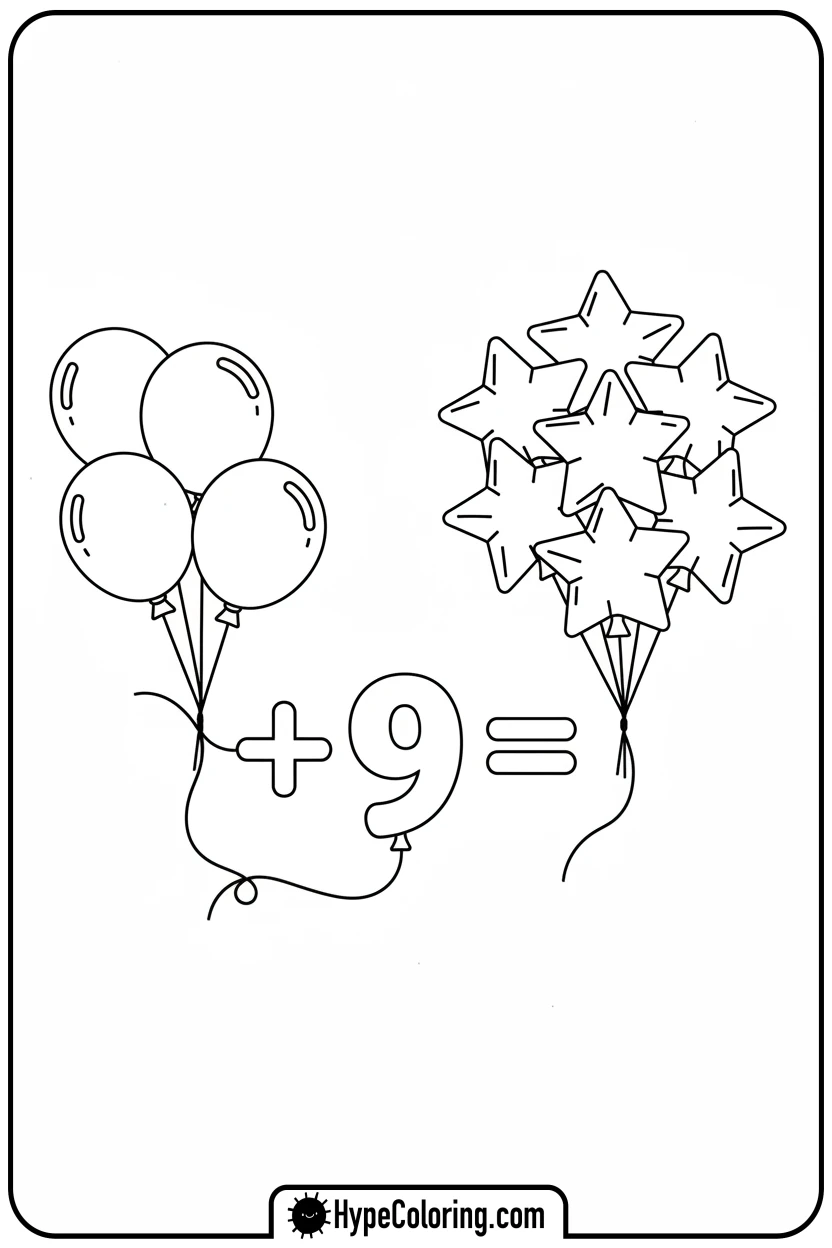
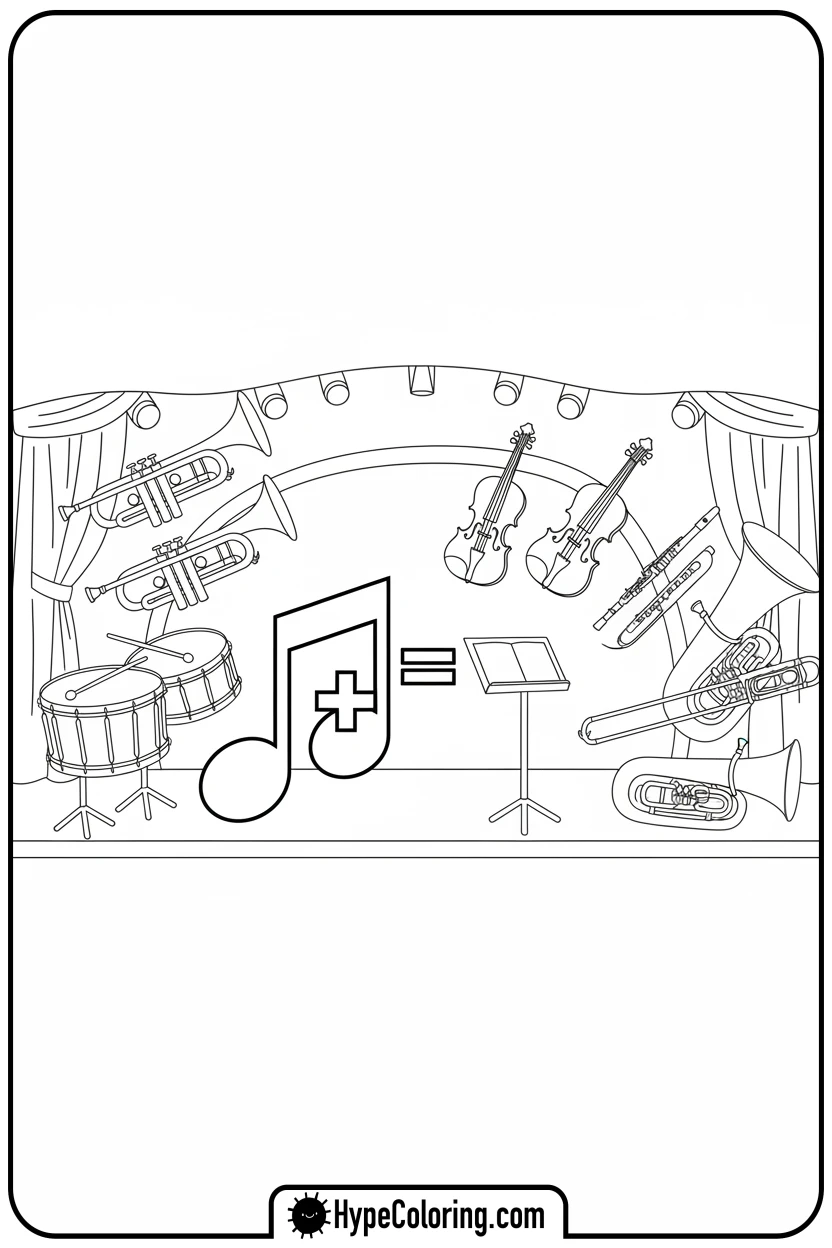
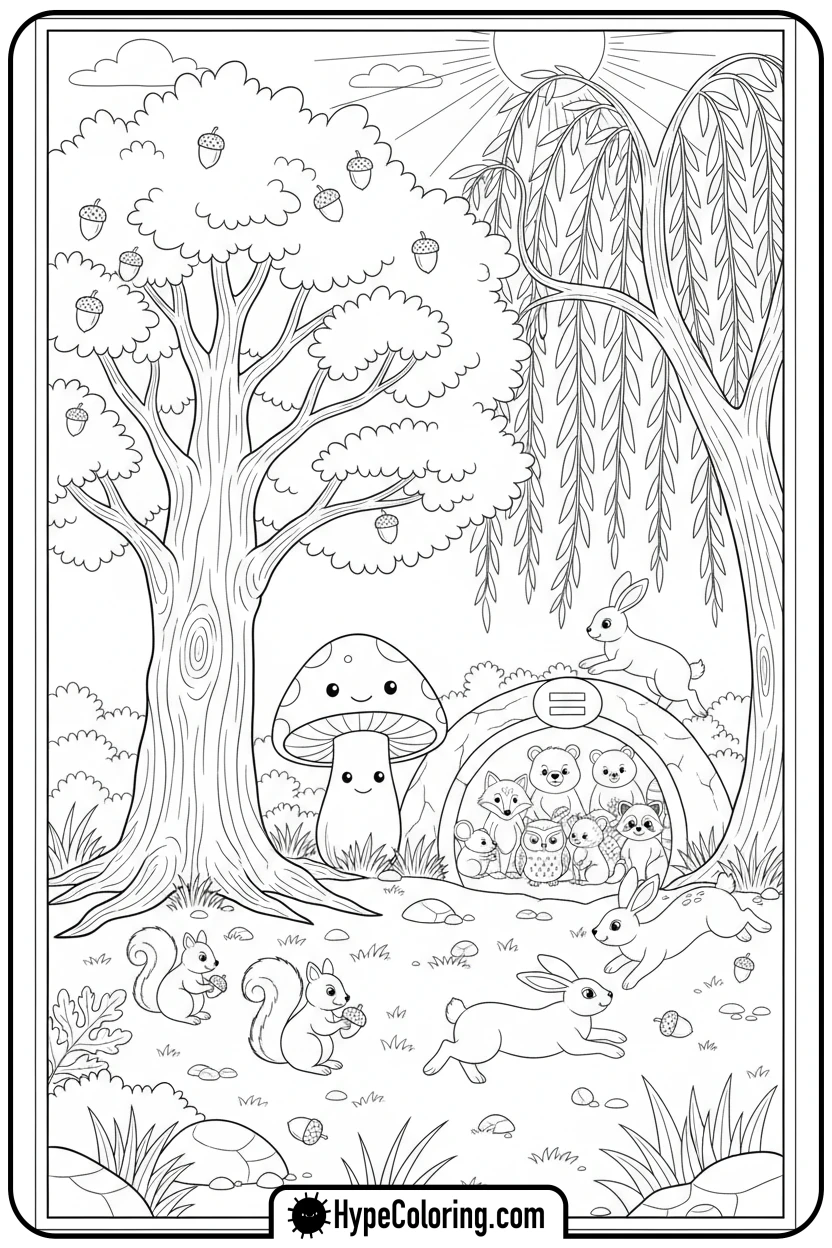
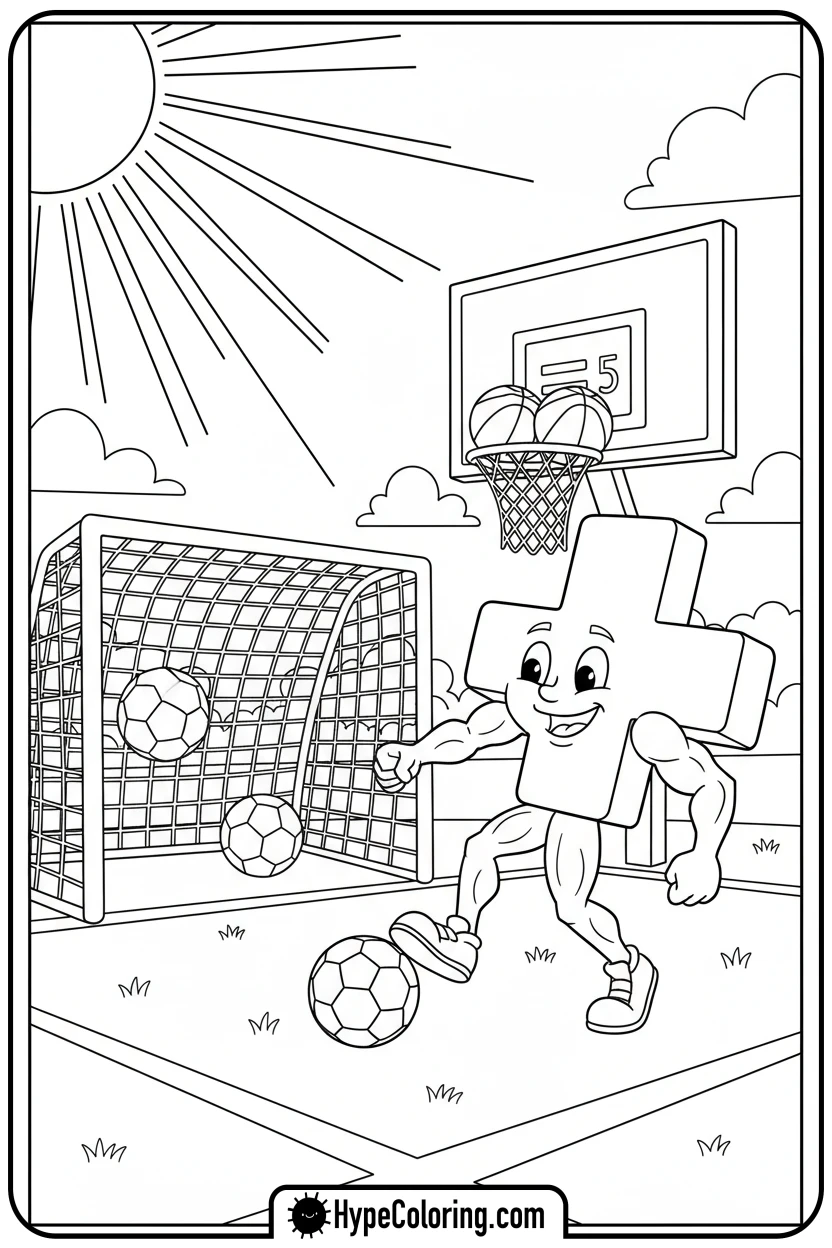
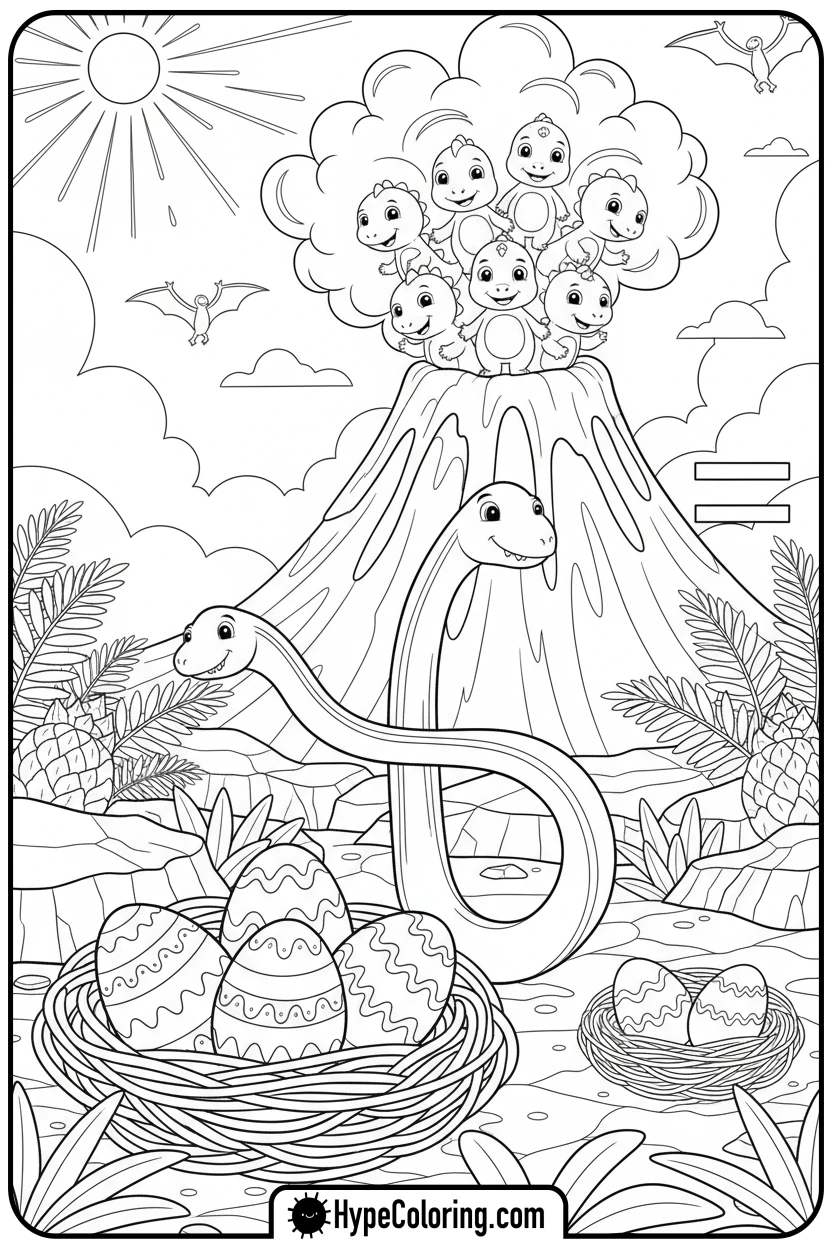
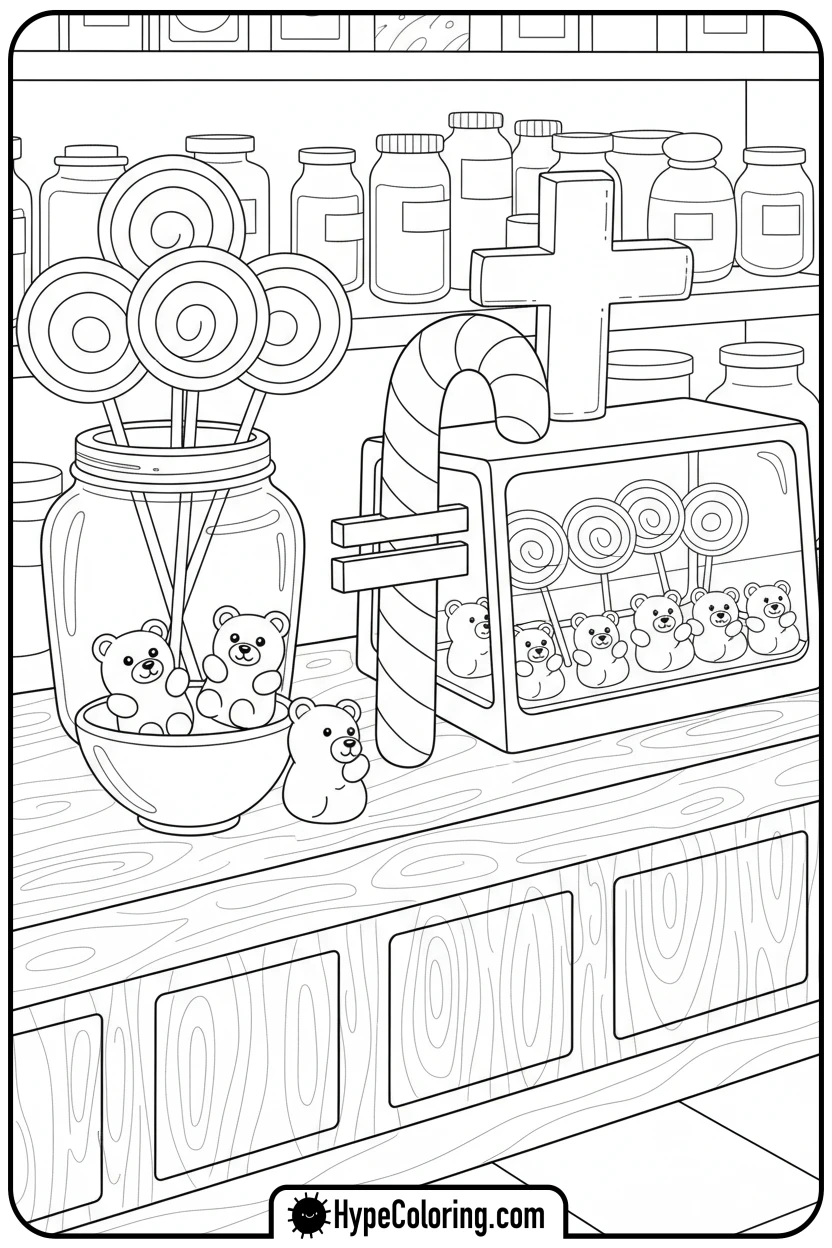
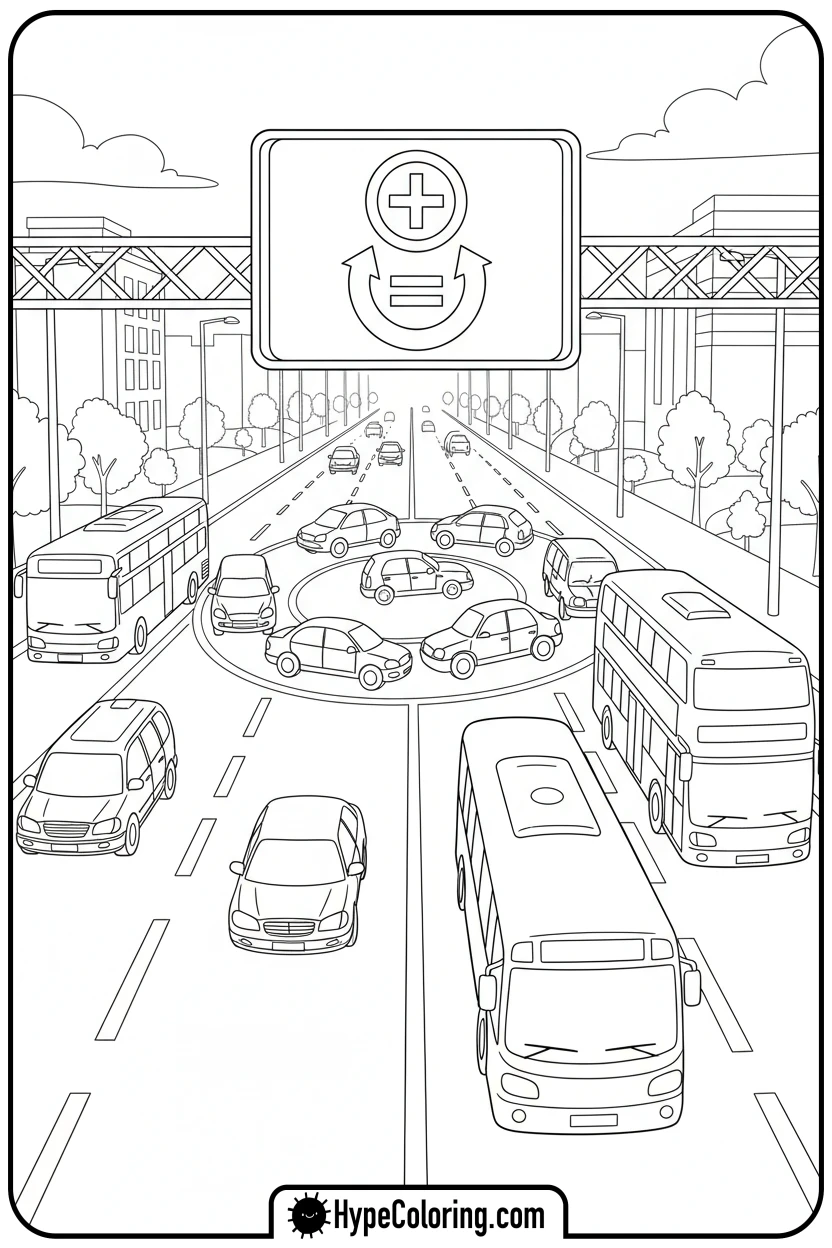
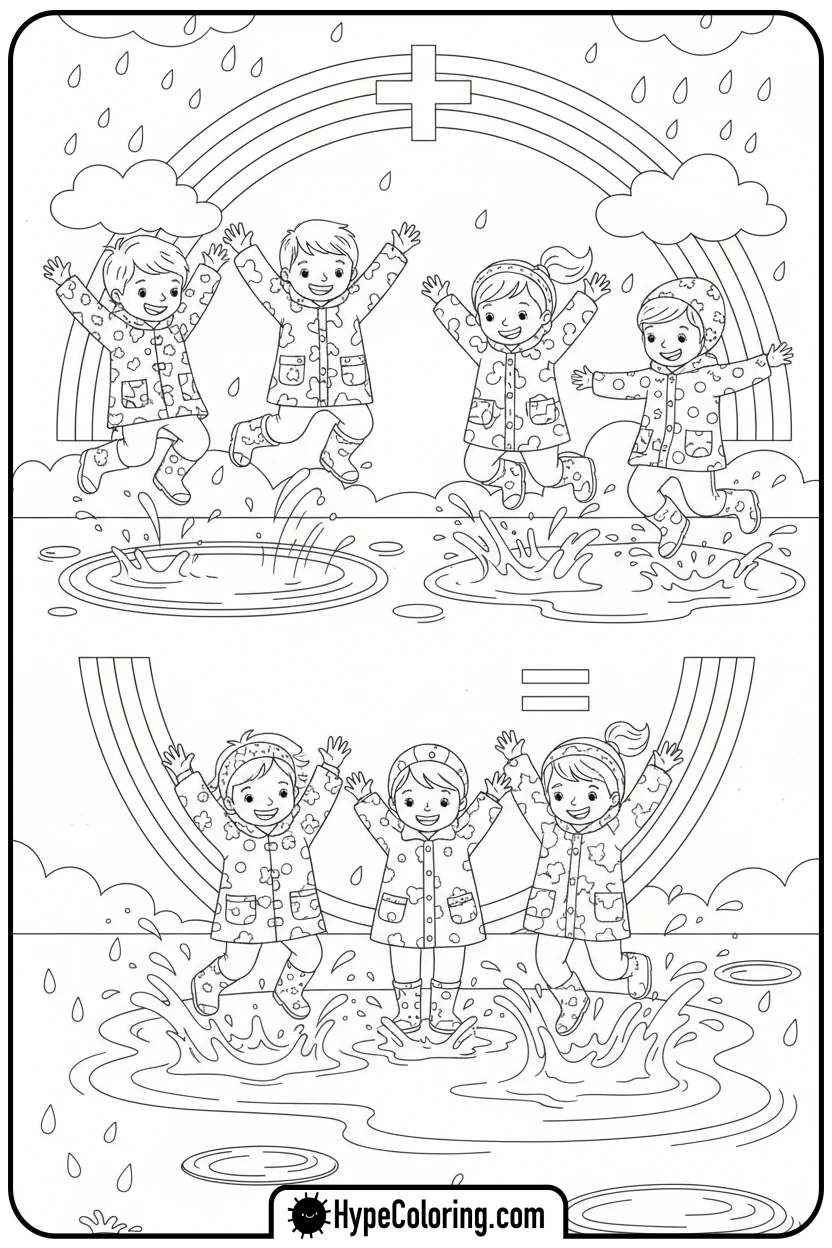
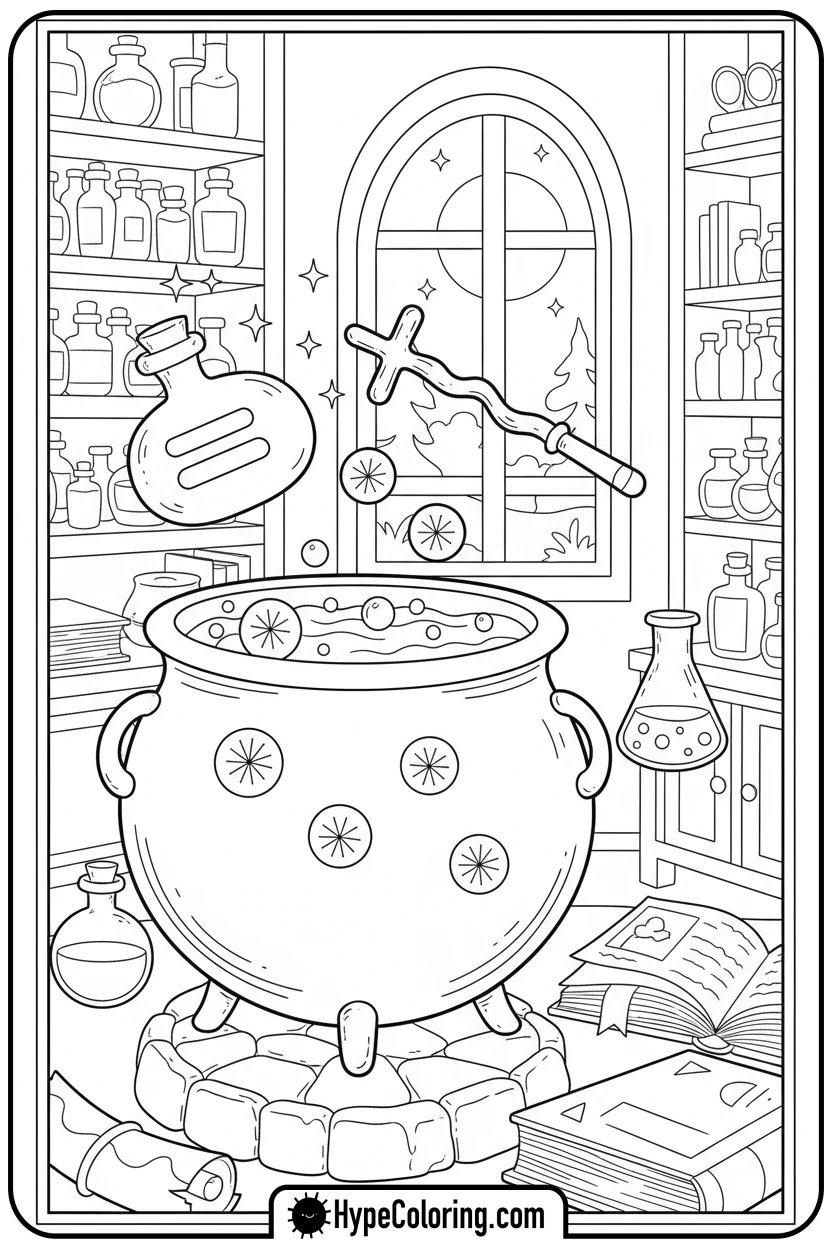
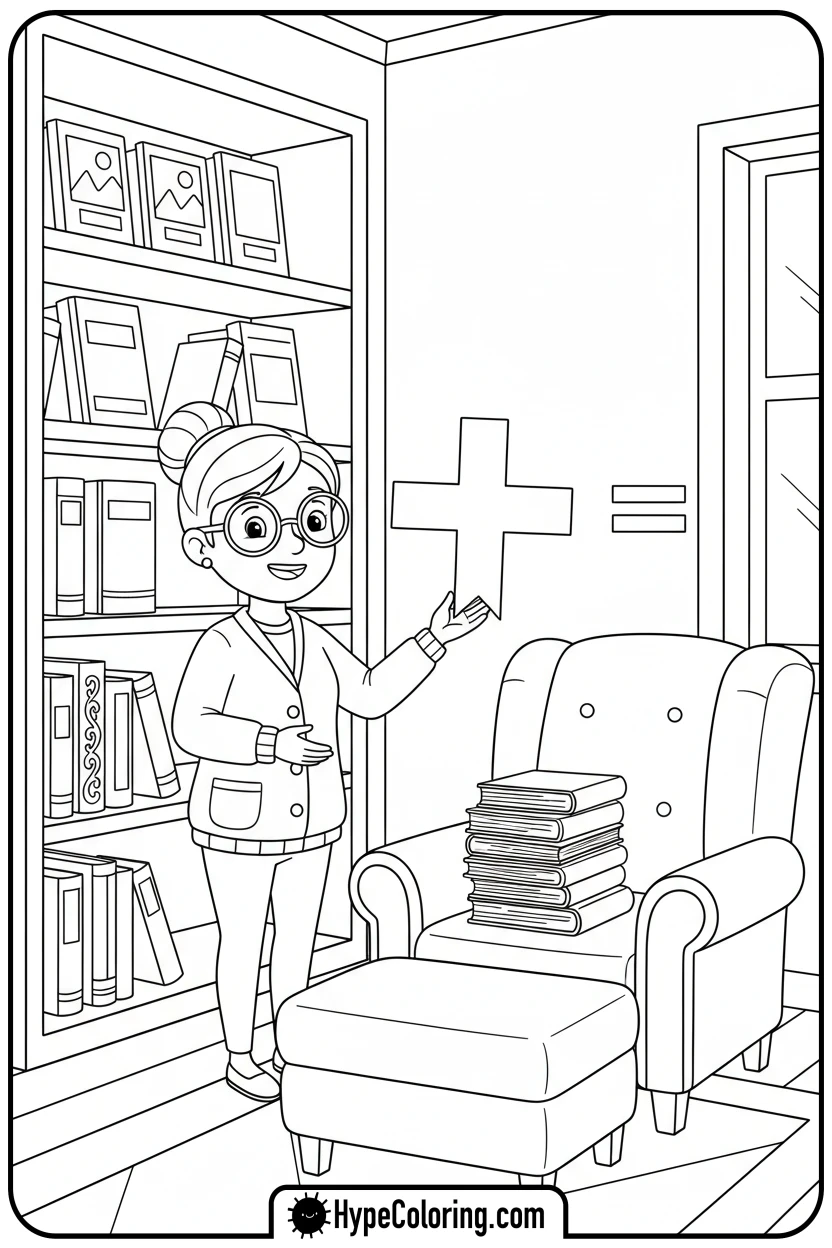
Table of Contents
Exploring Addition Coloring Pages Through Play
Our addition coloring pages are more than just sheets to fill with color; they are clever math games disguised as art. Each design presents a unique scenario where objects are grouped, combined with a friendly plus sign, and totaled with an equal sign, making abstract math concepts concrete and fun. This approach helps reinforce learning and makes mastering basic addition an enjoyable journey for kids.
Friendly Numbers and Basic Symbols
The very core of these addition coloring pages often features the numbers and mathematical symbols themselves as characters. Making ‘2’ and ‘3’ into smiling friends or a ‘plus sign’ into a cheerful guide helps children connect emotionally with the learning process.
- Fact: The plus sign (+) and minus sign (-) have been in use for over 500 years, with early origins in mercantile arithmetic to denote surpluses and deficits. They became widely adopted after the German mathematician Johannes Widmann used them in his 1489 arithmetic textbook.
- Colors & Technique: For character numbers and symbols, use bright, primary colors like sunny yellow, sky blue, or cheerful red for the number bodies. Outline them crisply with a fine-tip black marker to make them pop. For the plus sign character, try a bold green or orange. Use colored pencils to add subtle shading for a 3D effect, making one side slightly darker.
- Designs: You can find these symbolic representations in designs #1, #8 (giant plus sign block), and #14 (athletic plus sign character).
Everyday Math Adventures
Many of our addition coloring pages integrate math into familiar, everyday scenarios, making learning relatable. From counting fruit on a picnic blanket to stacking building blocks, these scenes show children how addition is part of their daily world.
- Fact: Manipulatives, like building blocks or fruit, are crucial in early math education because they allow children to physically interact with and visualize abstract concepts like counting and addition, bridging the gap between concrete and abstract thinking.
- Colors & Technique: For items like apples, use bright red with a touch of dark green for leaves and brown for stems. Oranges can be a vibrant orange, perhaps with a lighter yellow highlight. For building blocks, choose distinct colors like red, blue, yellow, and green. When coloring the mixed-color block tower, use crayons to press firmly for solid, vibrant blocks, then switch colors for each block to show variety.
- Designs: This theme is explored in designs #2 (picnic fruit), #3 (toy train), #7 (kitchen cookies), #8 (building blocks), #11 (party balloons), #12 (band instruments), #17 (busy road vehicles), #18 (rainy day kids), and #20 (library books).
Nature’s Numerical Wonders
Nature provides endless opportunities for counting and adding. These addition coloring pages bring the outdoors inside, inviting kids to sum up stars, flowers, and sea creatures, connecting math to the beauty of the natural world.
- Fact: Observing patterns in nature, like the number of petals on a flower (often Fibonacci numbers) or the symmetry of a snowflake, can foster an early appreciation for mathematical principles and order in the universe.
- Colors & Technique: For the night sky, use deep indigo or midnight blue for the background. Stars can be bright yellow or white, with a touch of light blue or silver for a twinkle. For flowers, vary shades of green for stems and leaves. Sunflowers are rich yellow with brown centers, while daisies can be white petals with yellow centers. Use markers for vibrant, clean lines on flowers, ensuring the colors stay within the petal boundaries.
- Designs: Discover nature’s sums in designs #4 (night sky stars), #5 (garden flowers), #6 (underwater scene), #10 (farm animals), and #13 (forest friends). These printable coloring sheets offer a serene way to practice.
Fantastic Sums and Magical Counts
Step into worlds of imagination where math still reigns! From alien friends on rockets to dinosaur eggs and wizard’s potions, these addition coloring pages add a whimsical twist to learning, proving that math is everywhere, even in the most fantastical settings.
- Fact: Imaginary scenarios, like those in these fantastical addition coloring pages, help develop problem-solving skills by encouraging children to apply logical reasoning to non-realistic situations, fostering creativity alongside mathematical thinking.
- Colors & Technique: For rockets, metallic silver or bright primary colors like red and blue can work well. Alien friends might be green, purple, or even multi-colored! For dinosaur eggs, use earthy tones like brown, cream, and speckled green. When coloring the bubbling cauldron, try layering greens and blues with hints of yellow for a glowing, magical effect using colored pencils, blending gently for a soft glow.
- Designs: Embark on these imaginative math quests with designs #9 (space rockets), #15 (prehistoric eggs), and #19 (wizard’s laboratory).
Sweet Treats and Melodies
Who knew math could be so delicious or musical? These addition coloring pages combine the joy of counting cookies and candy with the fun of instruments, making math education a treat for the senses.
- Fact: Learning through engaging activities, like counting candy or instruments, can significantly improve a child’s memory and retention of mathematical concepts by creating positive associations with the learning material. This makes the experience less like a chore and more like a game.
- Colors & Technique: Chocolate chip cookies need warm browns for the cookie dough and dark chocolate brown for the chips. Gingerbread men can be light brown with white icing details. For lollipops, choose vibrant, swirling colors like red, blue, green, and yellow. Use fine-tip markers for the intricate details on candy and gingerbread men, ensuring clean lines for the “icing.”
- Designs: Indulge in sweet sums with designs #7 (kitchen cookies) and #16 (candy shop treats). For musical math, see design #12 (band instruments).
Creative Activity: Crafting an “Addition Storybook”
Once your child has finished coloring their favorite addition coloring pages, don’t just put them away! Turn them into a unique “Addition Storybook” to reinforce their learning and creativity.
- Cut and Arrange: Carefully cut out the main elements from 5-7 of the finished addition coloring pages. For example, from design #2, cut out the fruit piles and the total plate. From design #3, cut out the train and the final total.
- Create a Narrative: Help your child arrange these cut-outs onto larger sheets of paper (or construction paper) to create a simple story. For instance, “Two friendly numbers (from #1) met three happy numbers. They decided to have a picnic with three apples and two oranges (from #2). Together, they had a sum of five fruits!”
- Bind it Together: Staple the story pages together to create a personalized book. Encourage your child to “read” their addition story, pointing to the numbers and counting the objects in their colorful scenes. This activity reinforces counting, storytelling, and fine motor skills, while giving new life to their free coloring designs.
For more educational resources, you can also check out our Bookmark Coloring Pages Free or Flower Coloring Pages Free Pdf which can be used to mark their favorite math stories.
These addition coloring pages provide an imaginative and effective way to introduce and practice early math skills. They encourage creativity while building a solid foundation in arithmetic, making learning basic addition both accessible and enjoyable for every child. We hope you enjoy these printable activities!