We offer a wide collection of free, high-quality printable coloring pages for kids and adults. From cute animals to intricate mandalas, our designs bring creativity and relaxation to everyone. Download, print, and start coloring today!
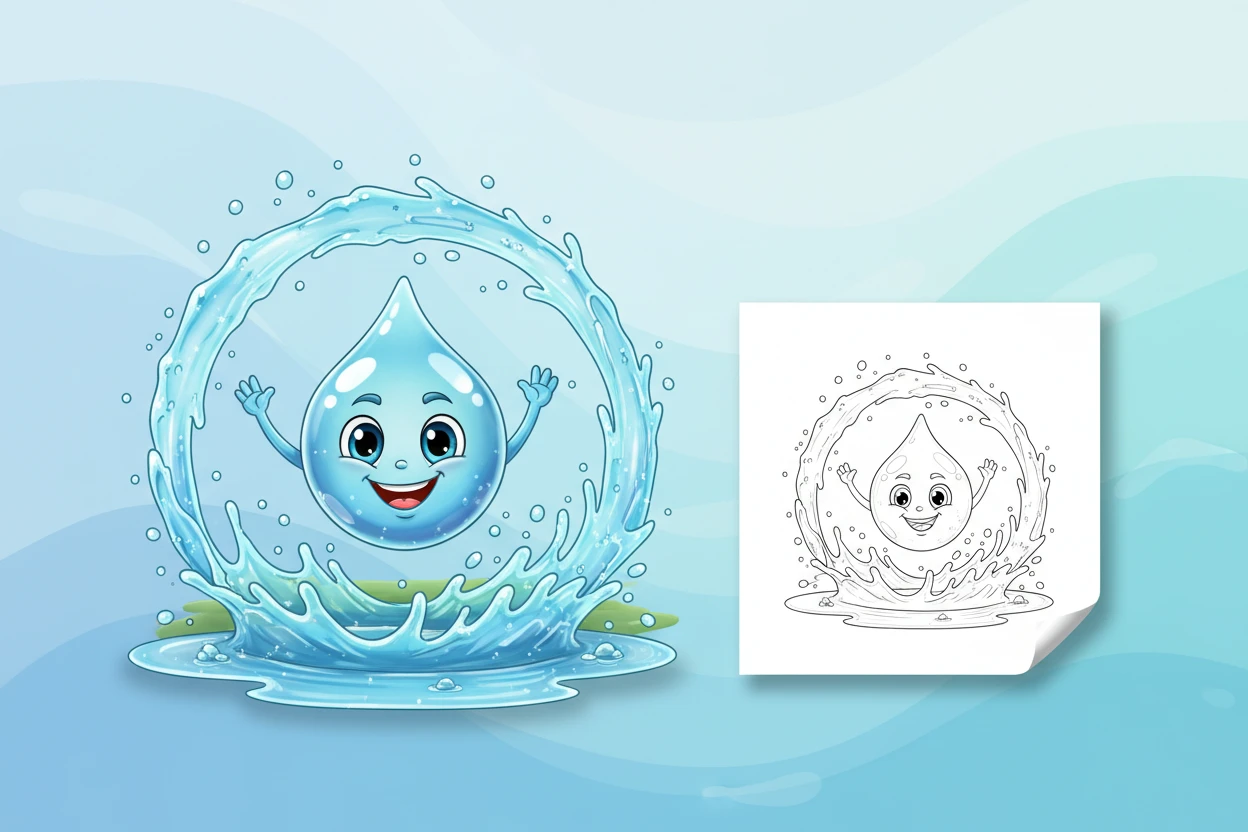
This collection of 20 water coloring pages offers a delightful journey through the many forms and moods of water, featuring charming personified characters and realistic scenes. These printable coloring sheets are perfect for anyone looking to enjoy creative relaxation while learning about the essential element of water, making them ideal for both kids and adults.
Our extensive collection of water coloring pages brings the magic of H2O to life, from playful droplets to majestic waves and serene mists. Each design provides a unique opportunity to explore the vibrant blues, greens, and even surprising purples that define water in its various states and environments. You’ll find free coloring pages that are not only fun but also subtly educational, making them a great resource for learning about the water cycle and aquatic ecosystems.
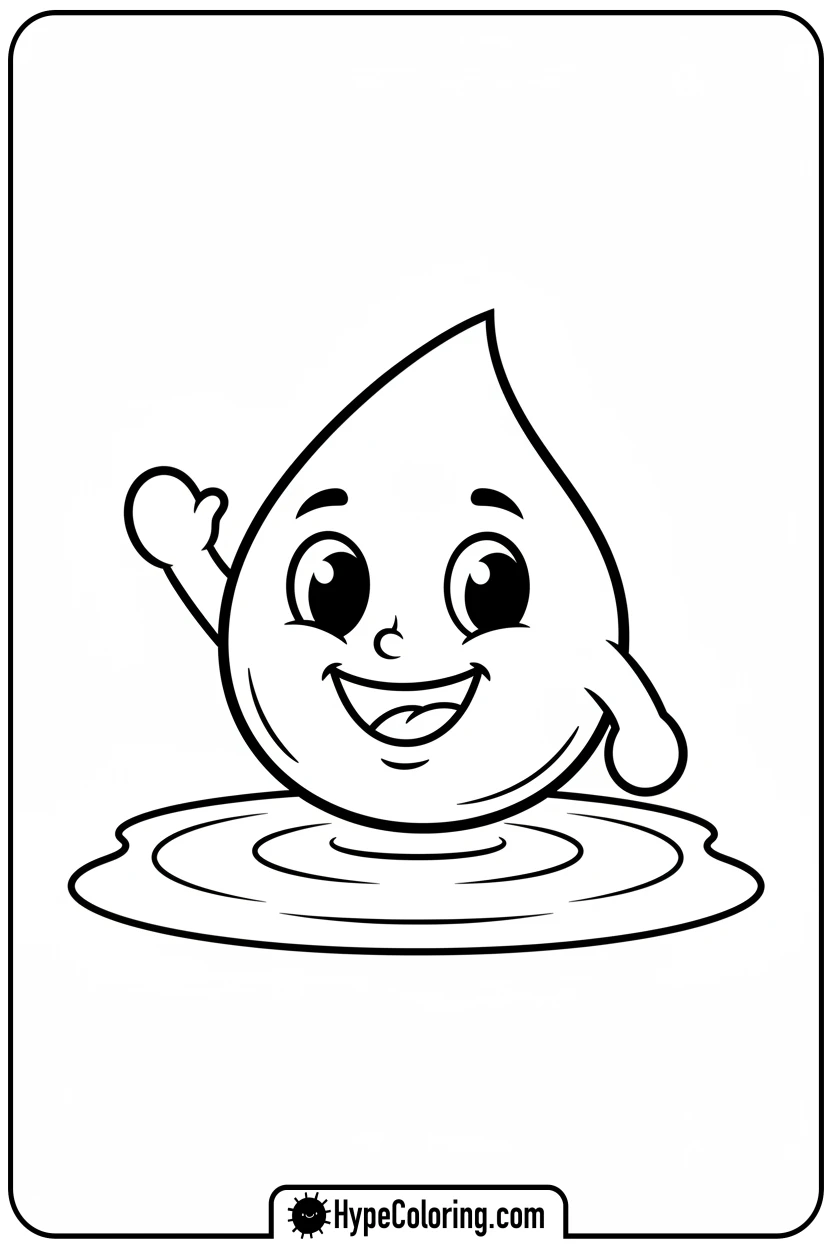
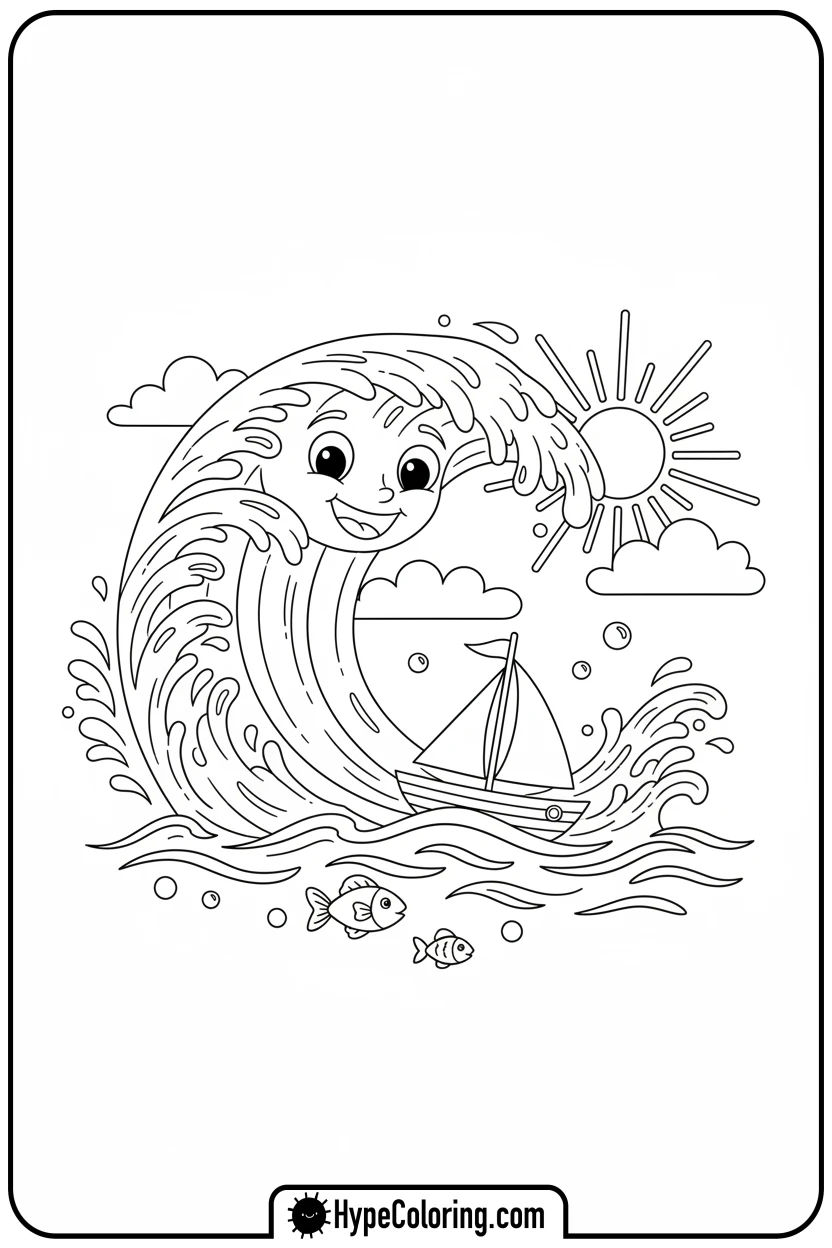
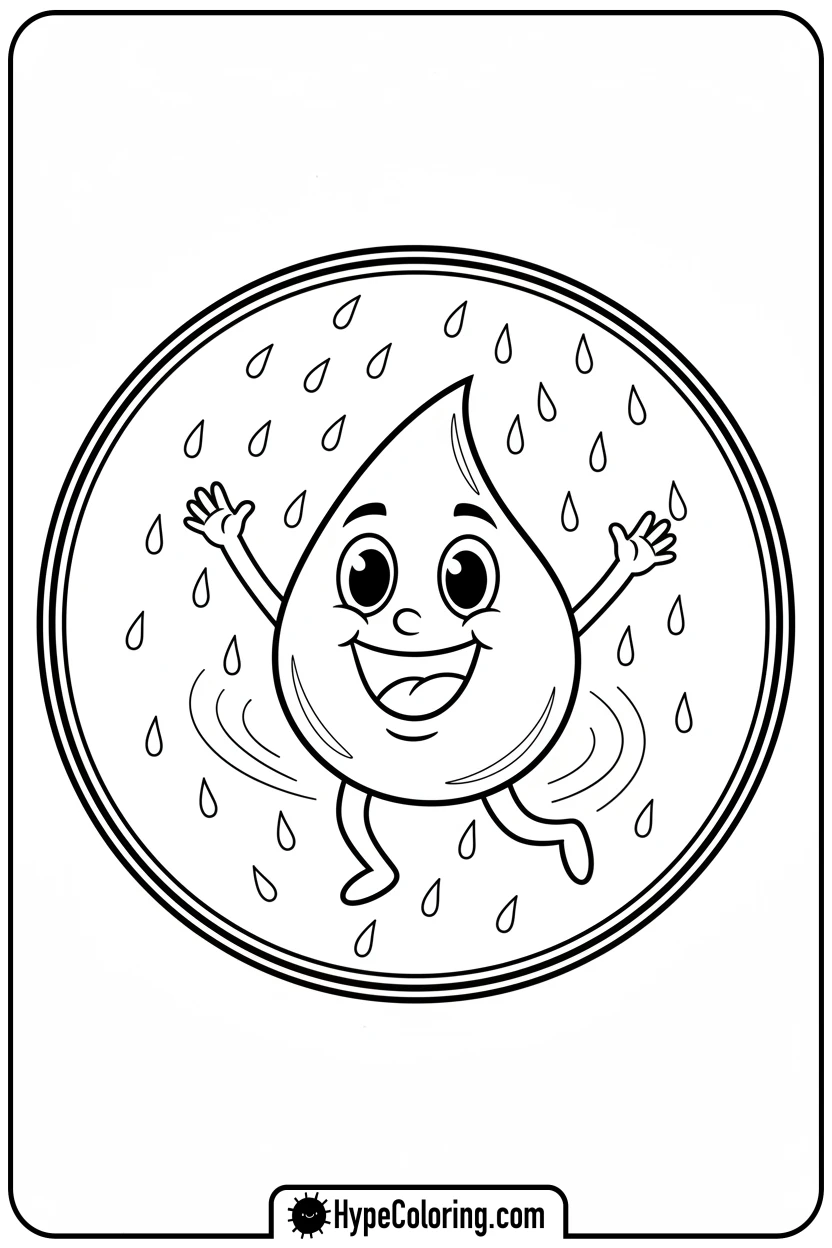
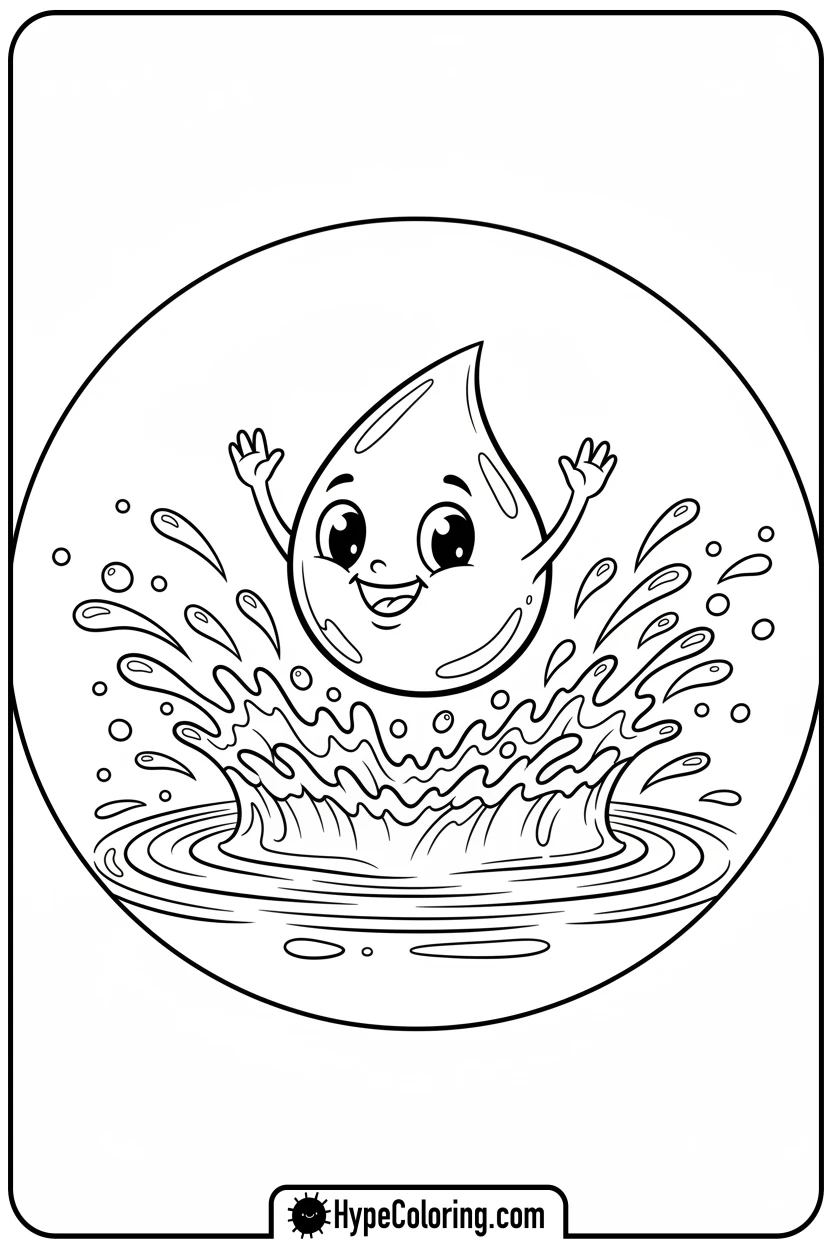
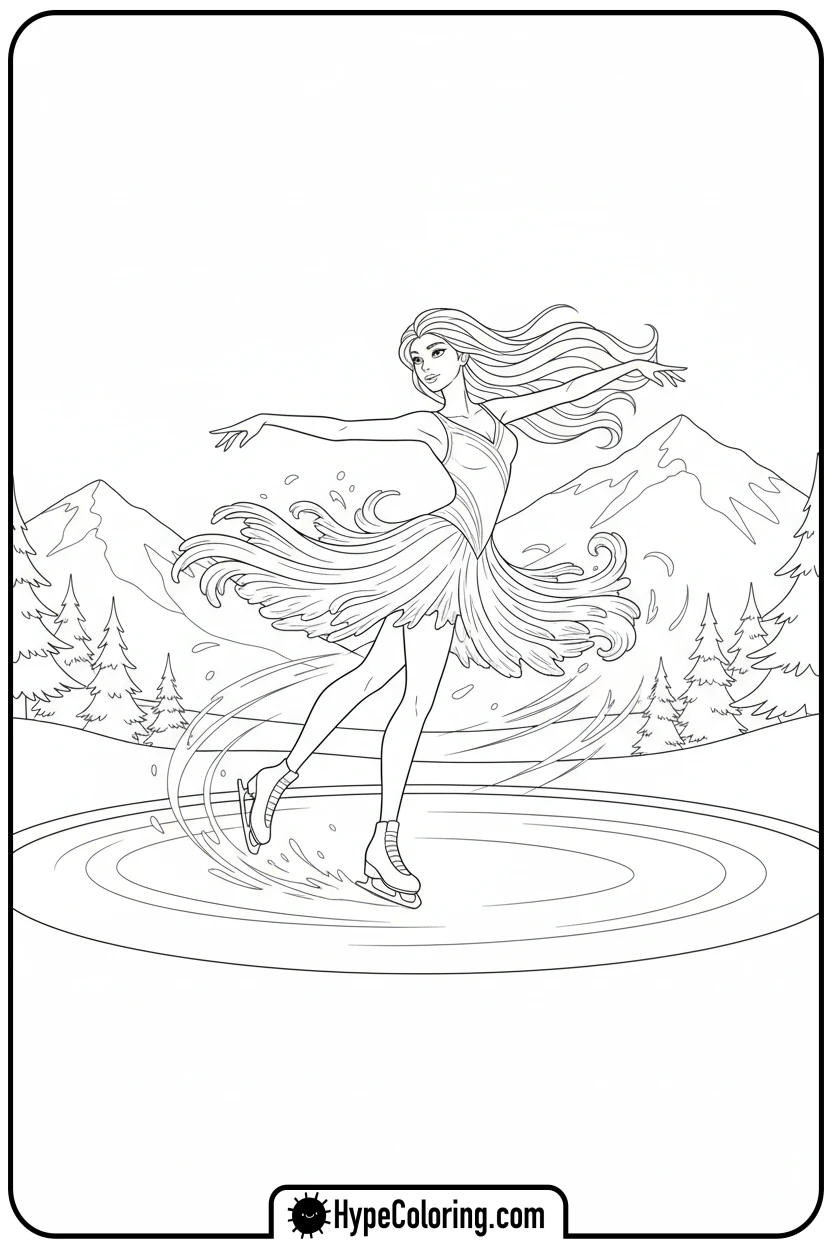
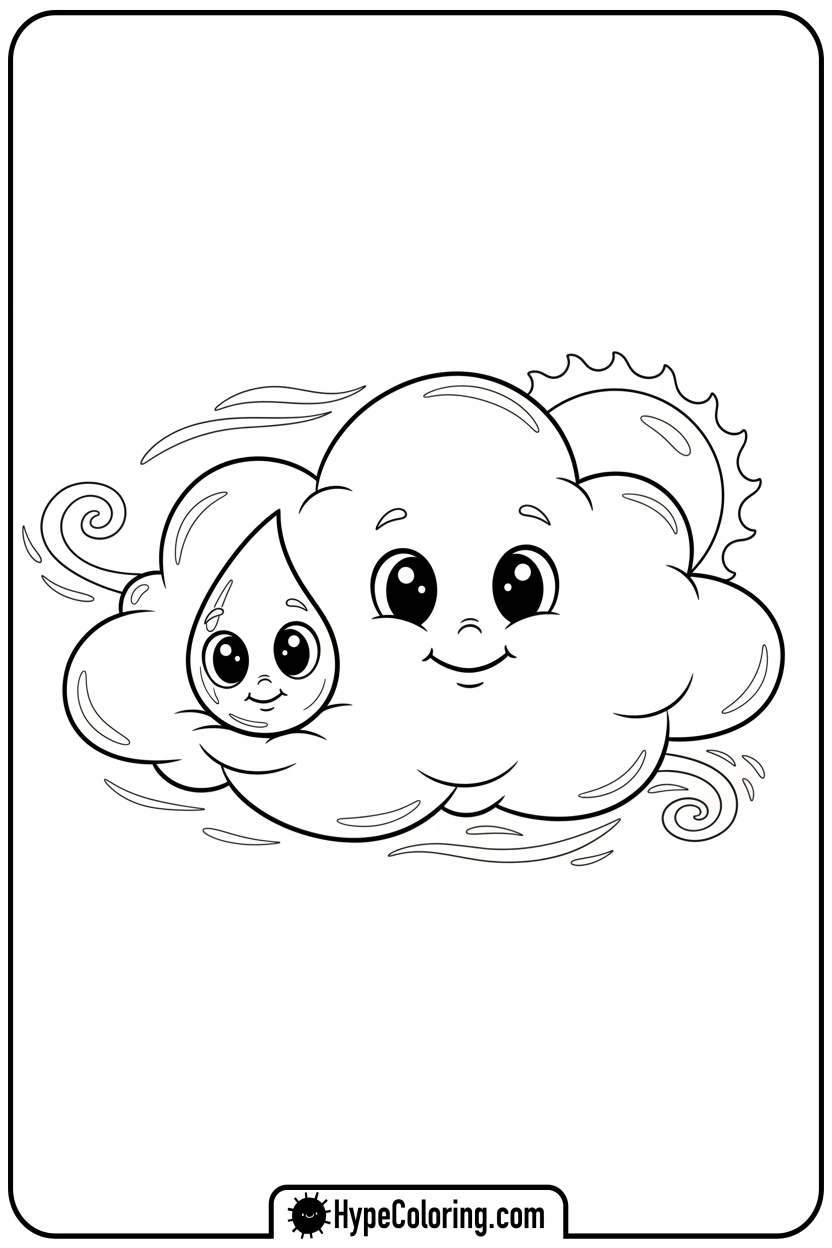
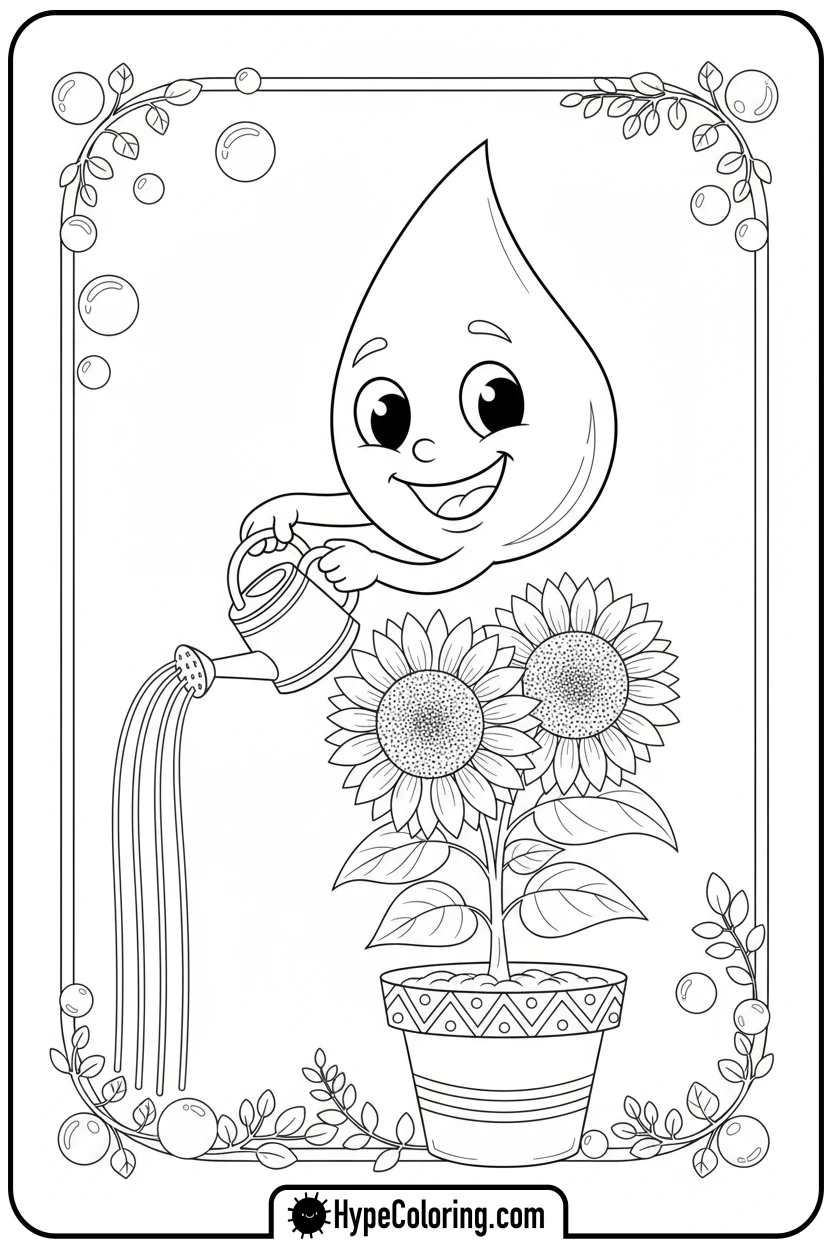
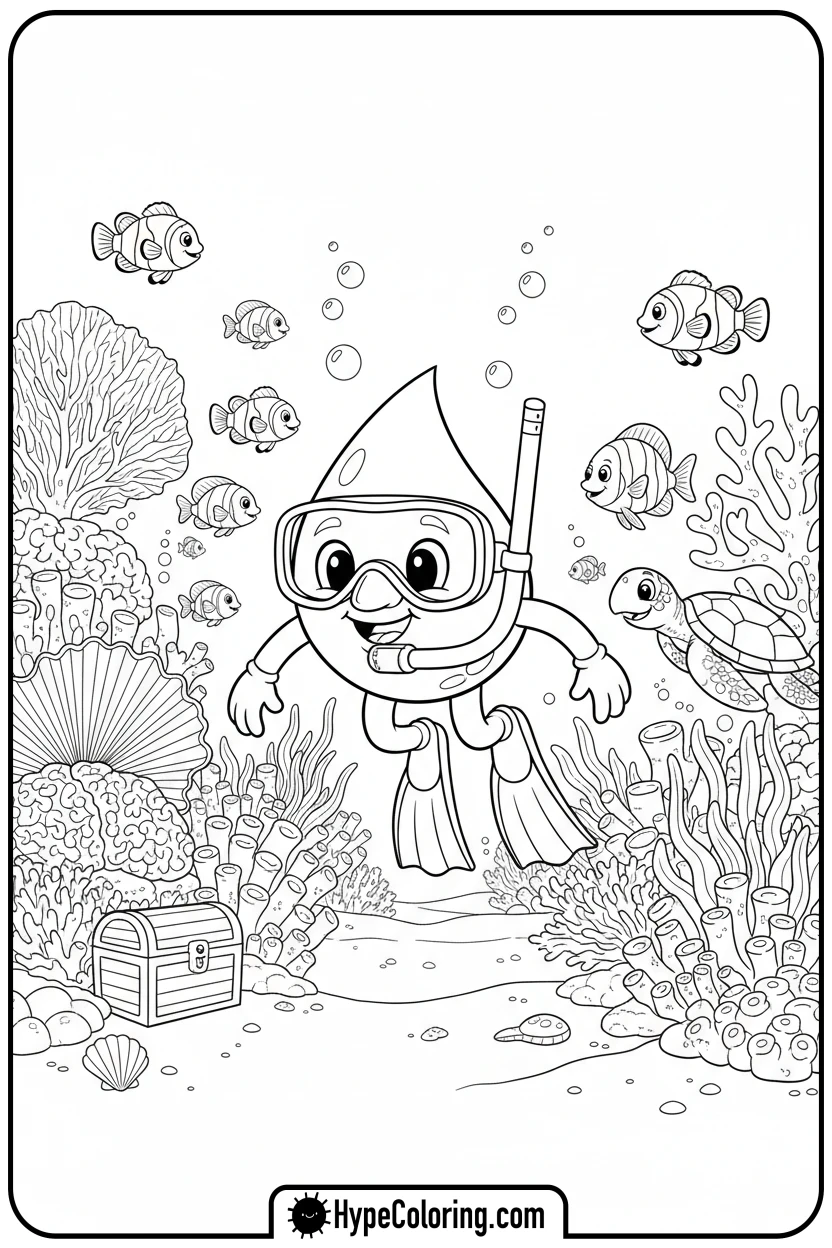
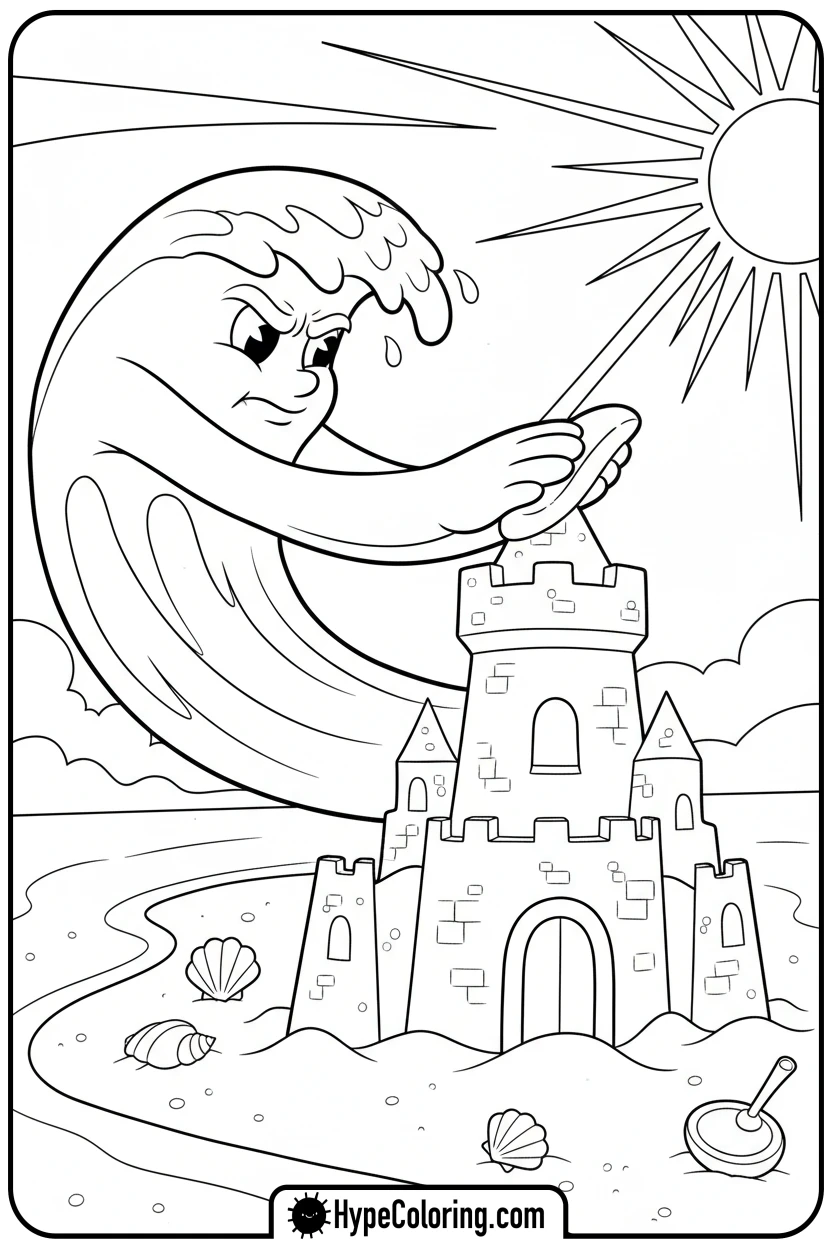
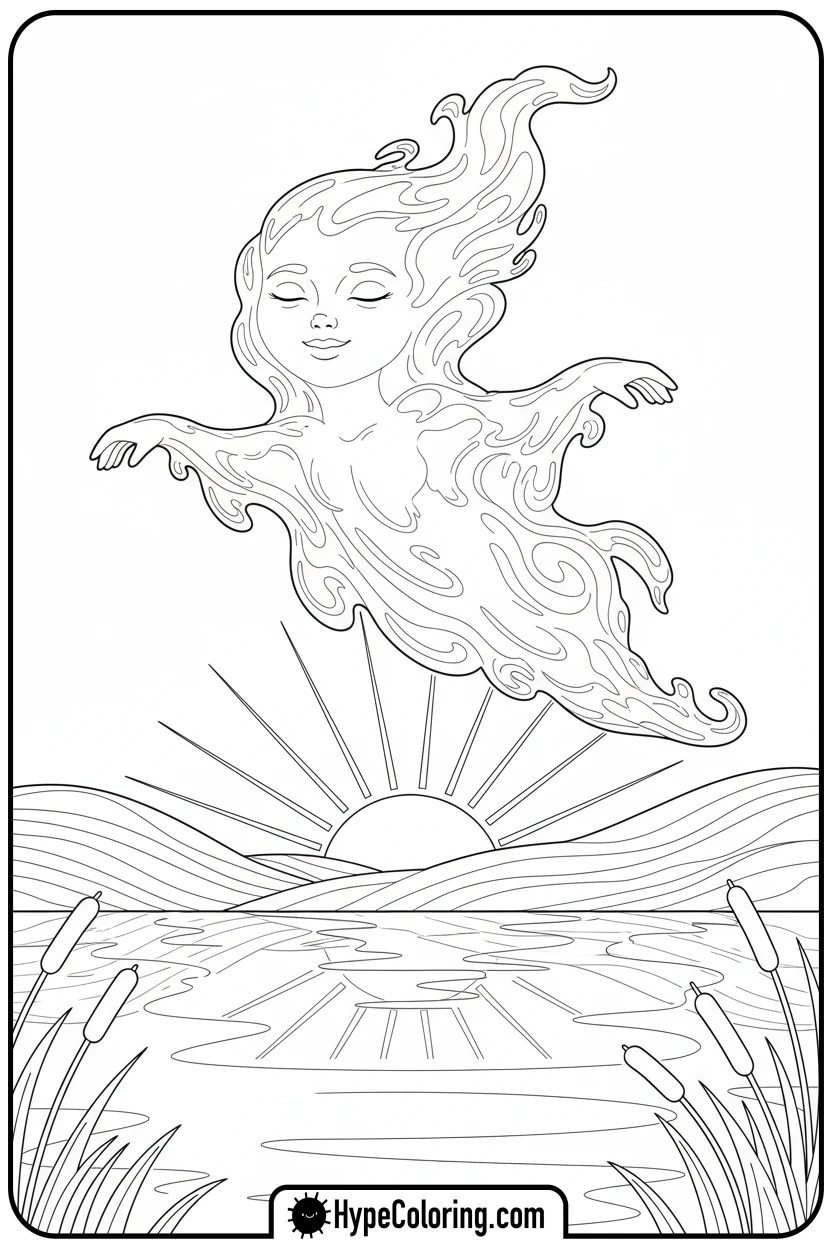
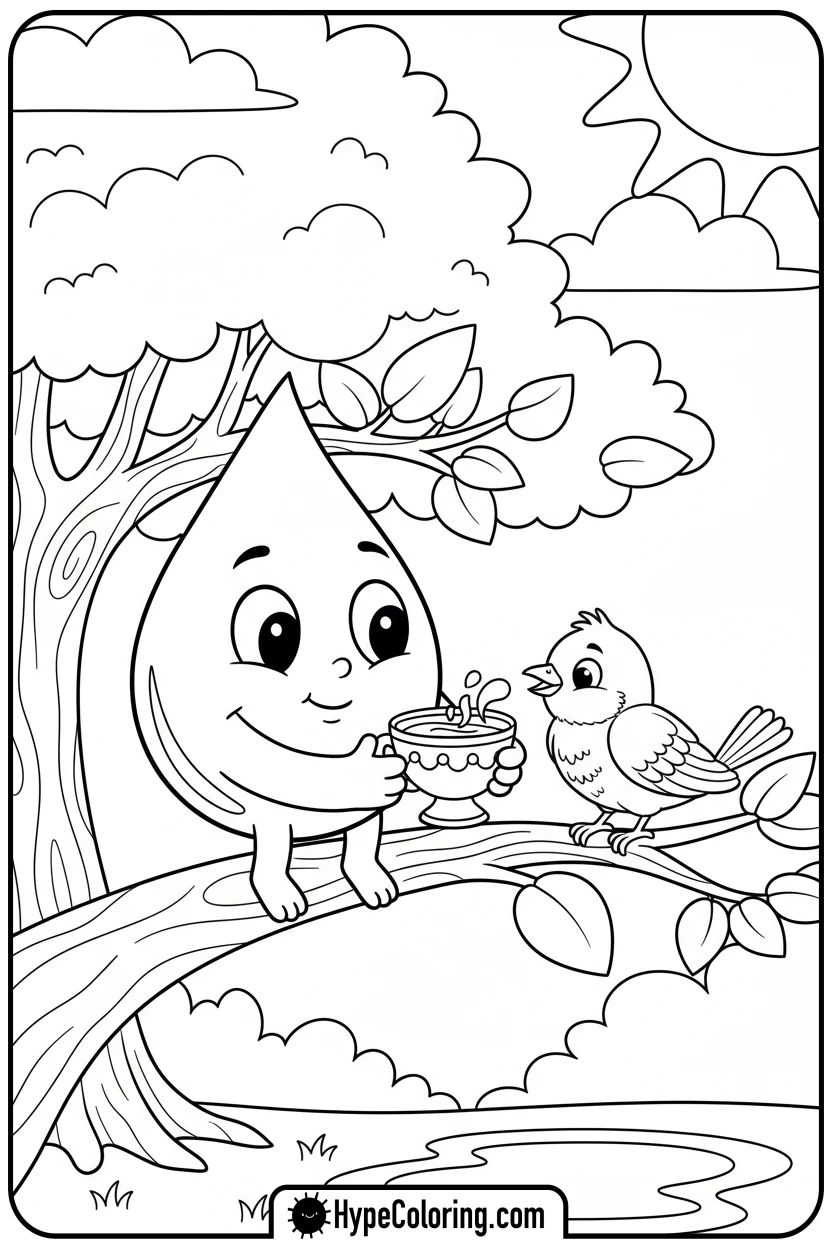
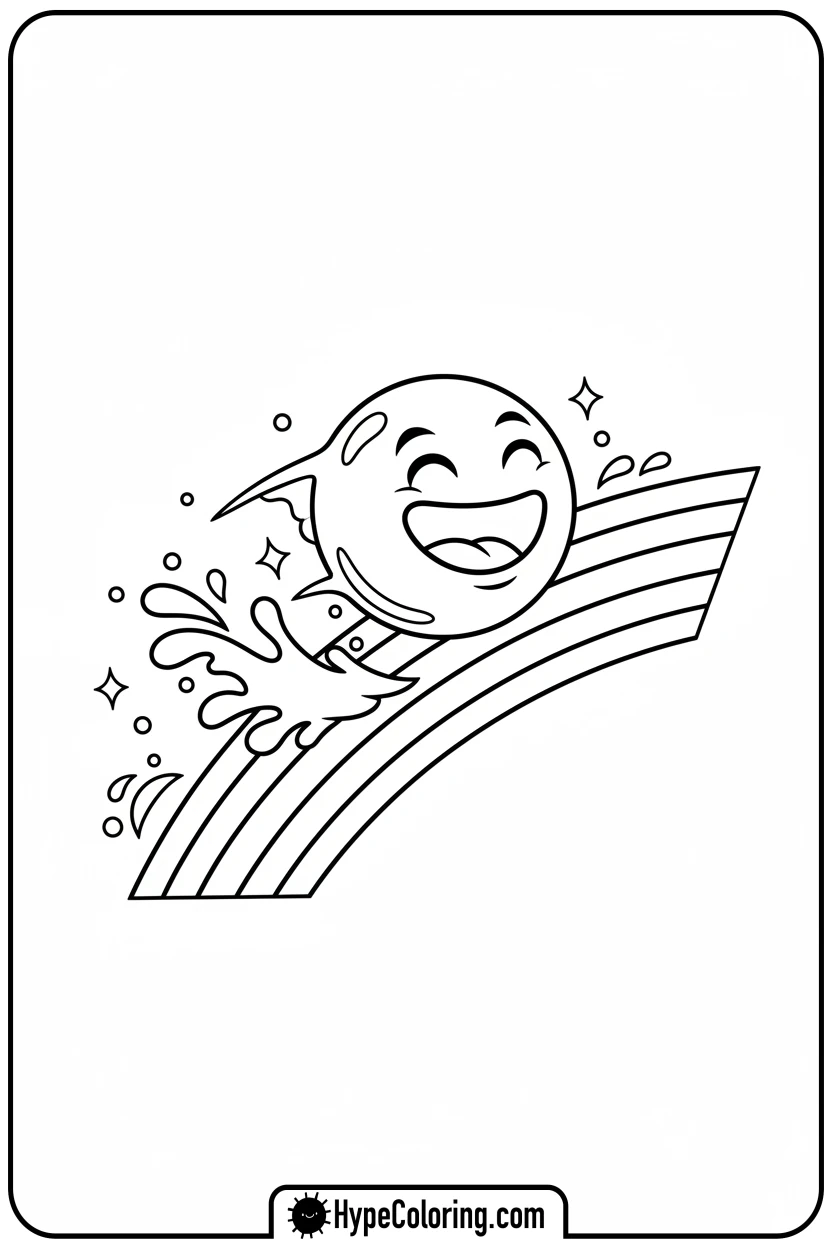
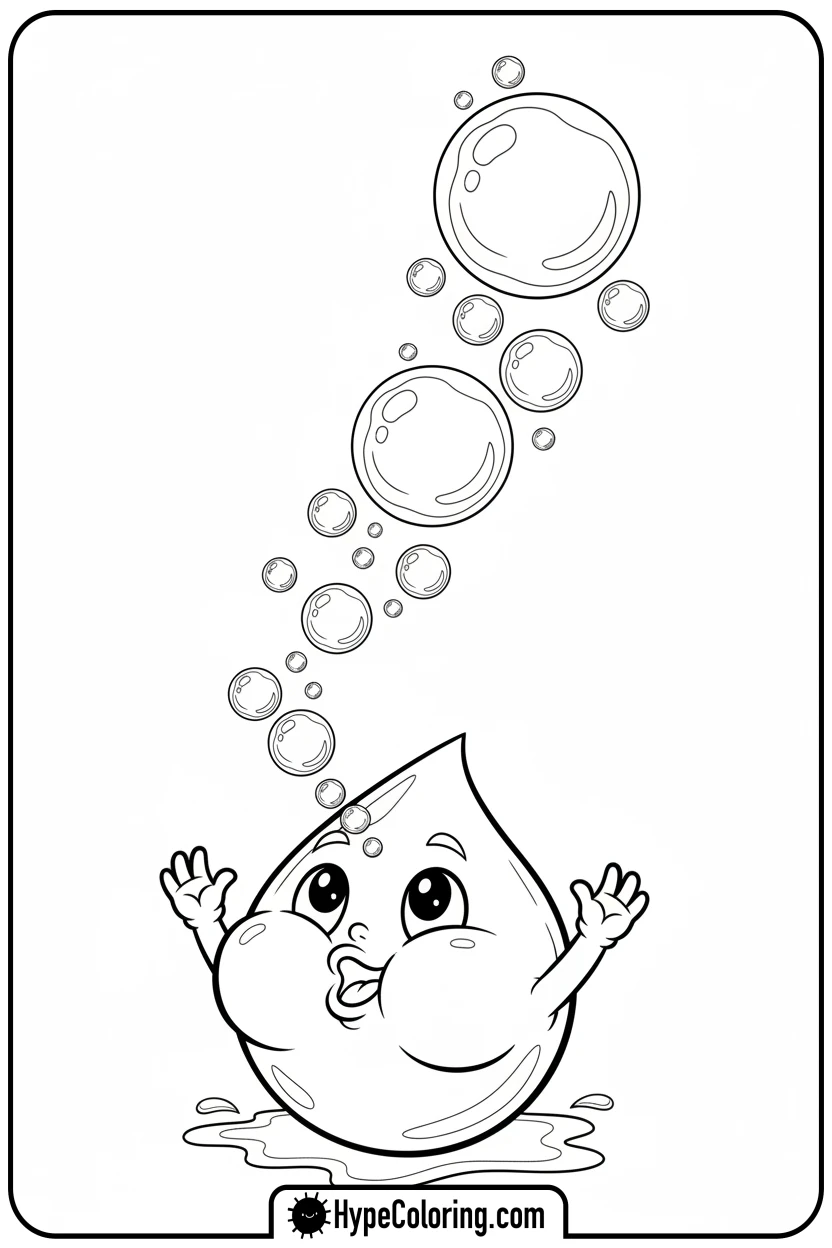
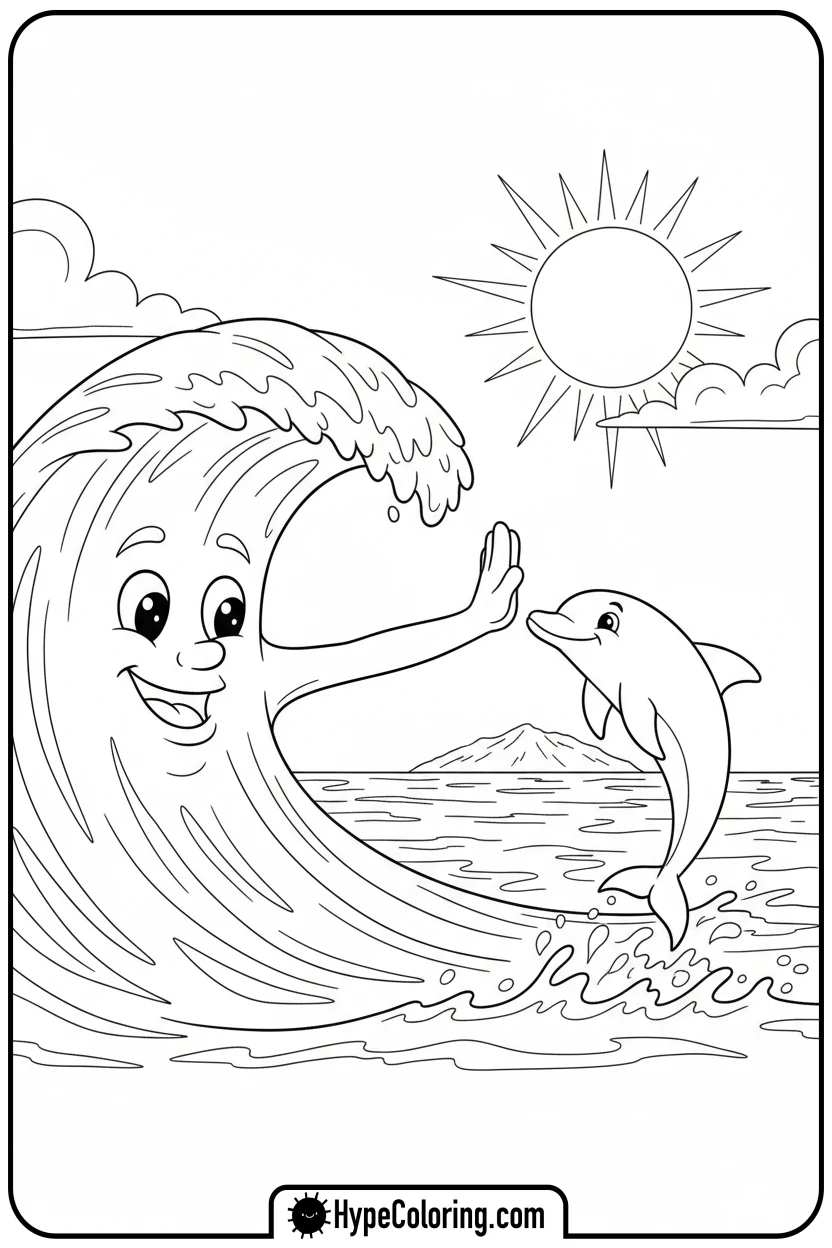
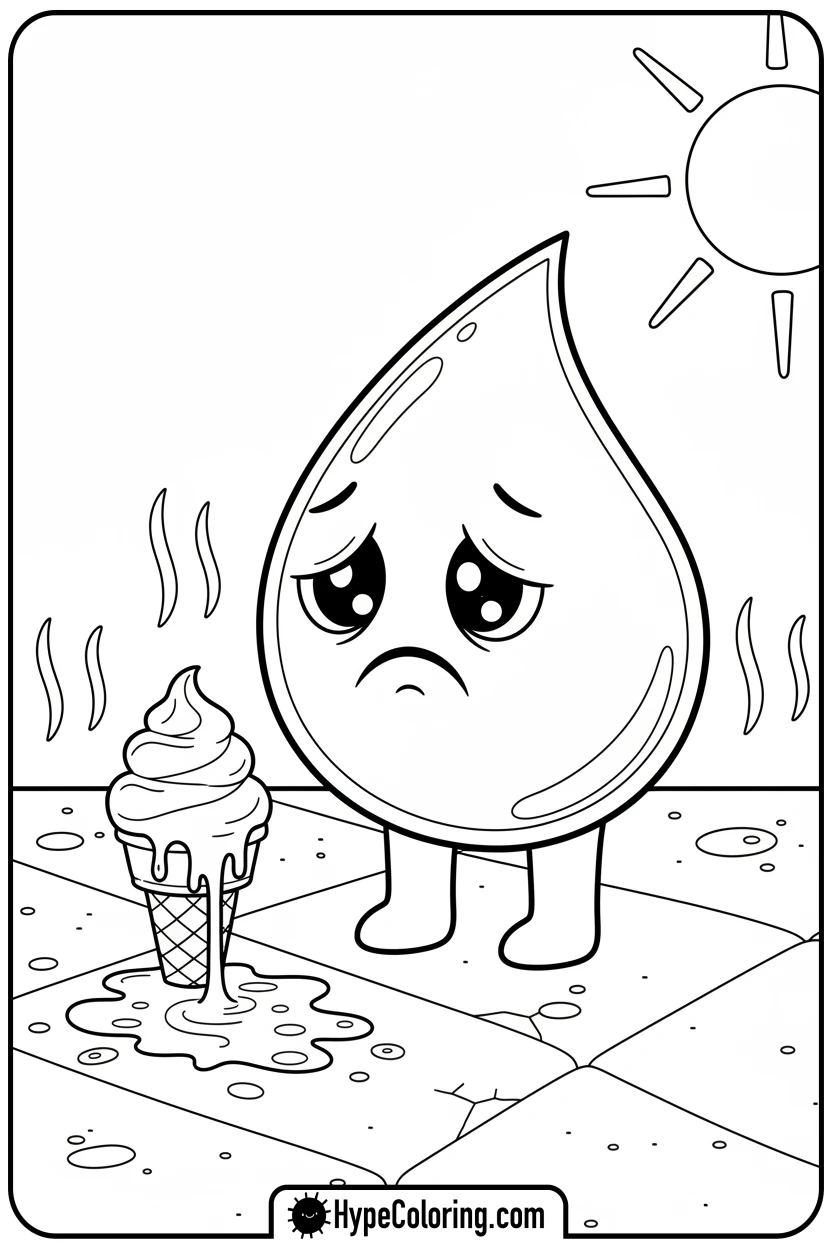
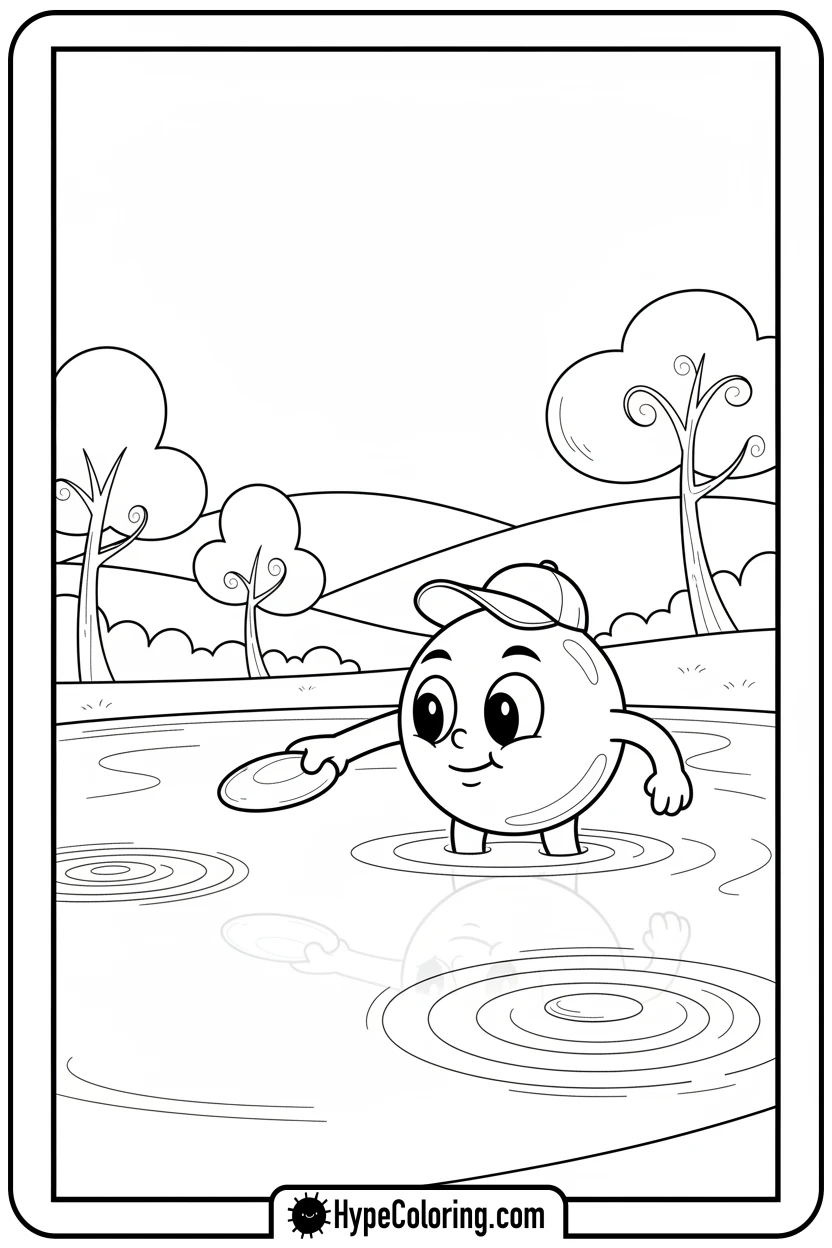
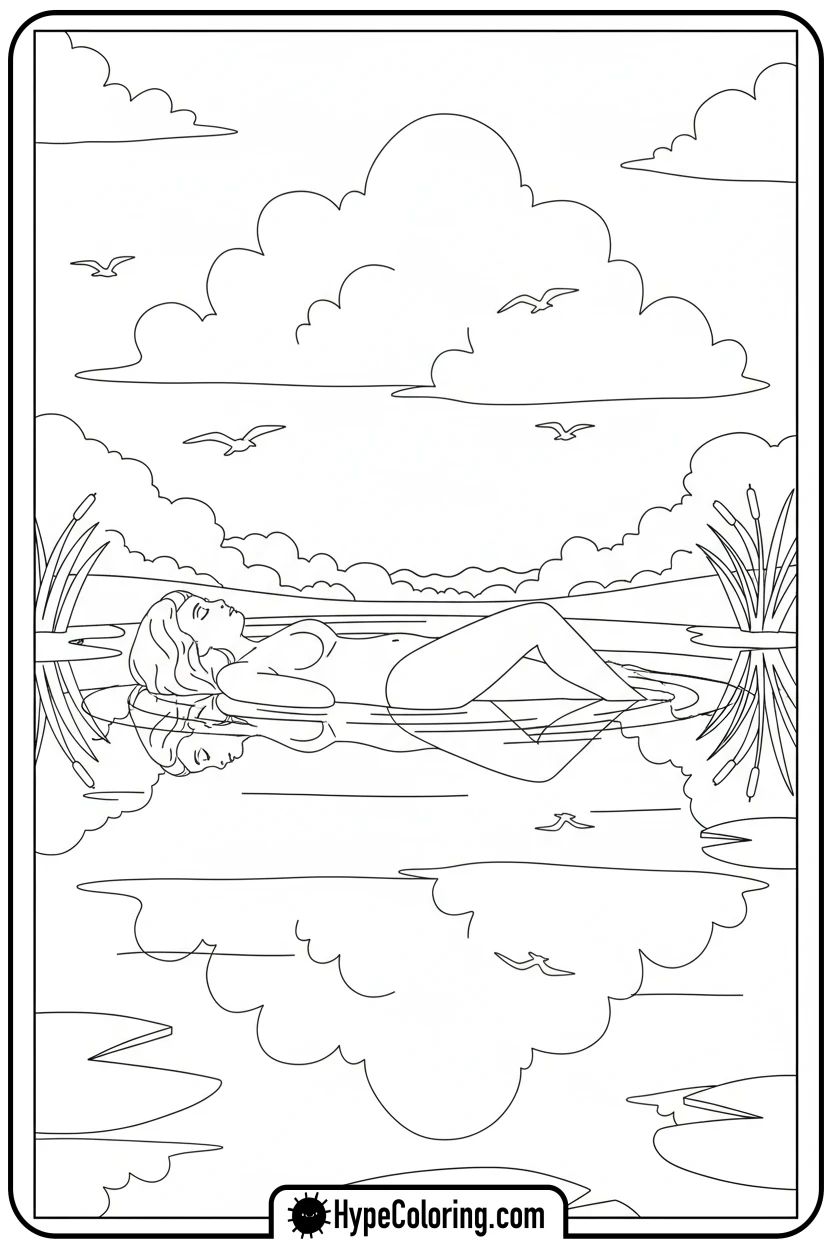
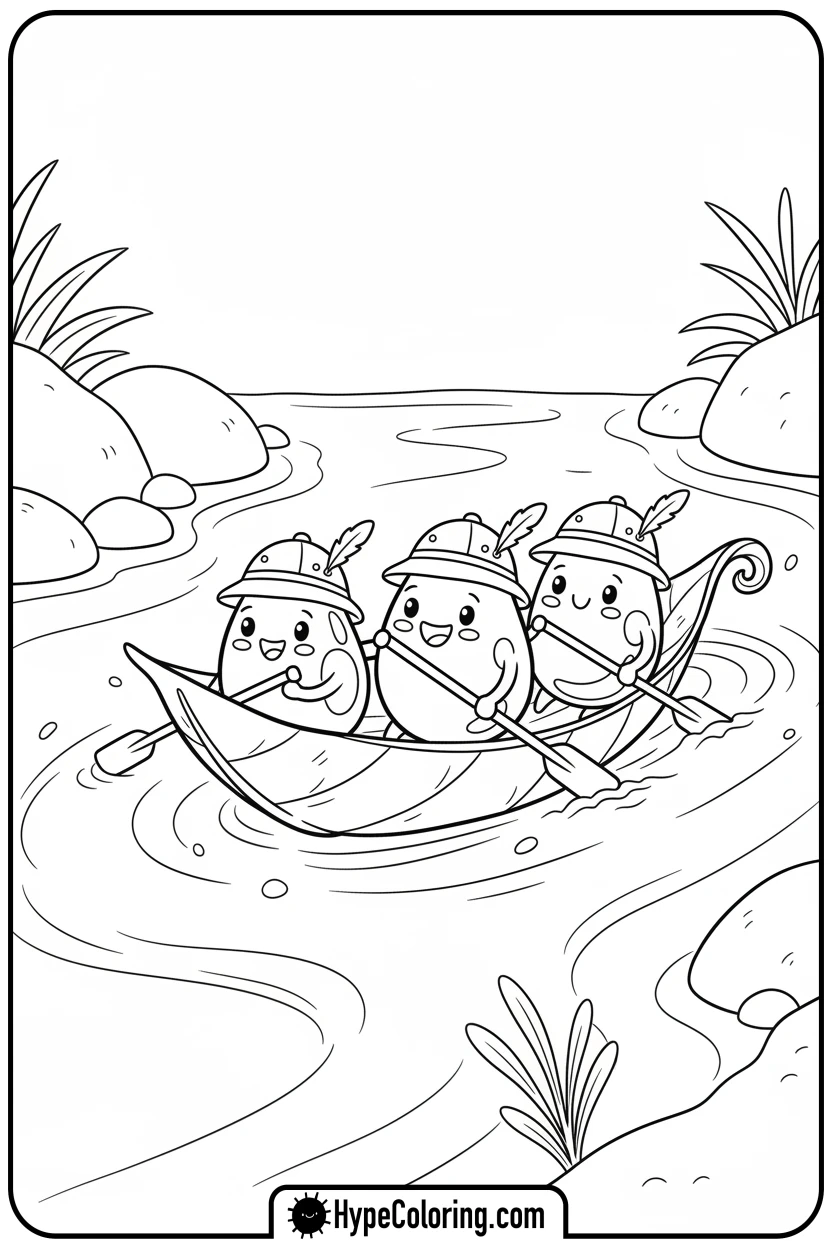
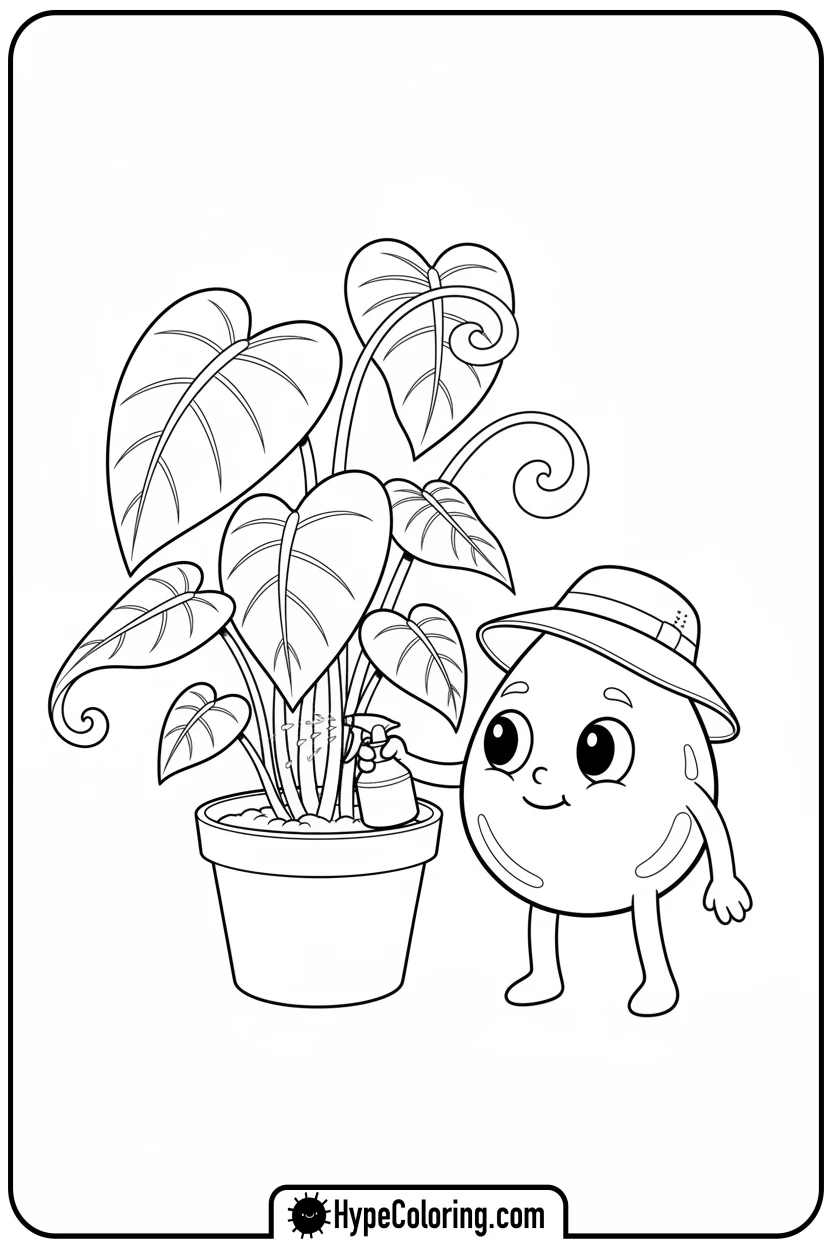
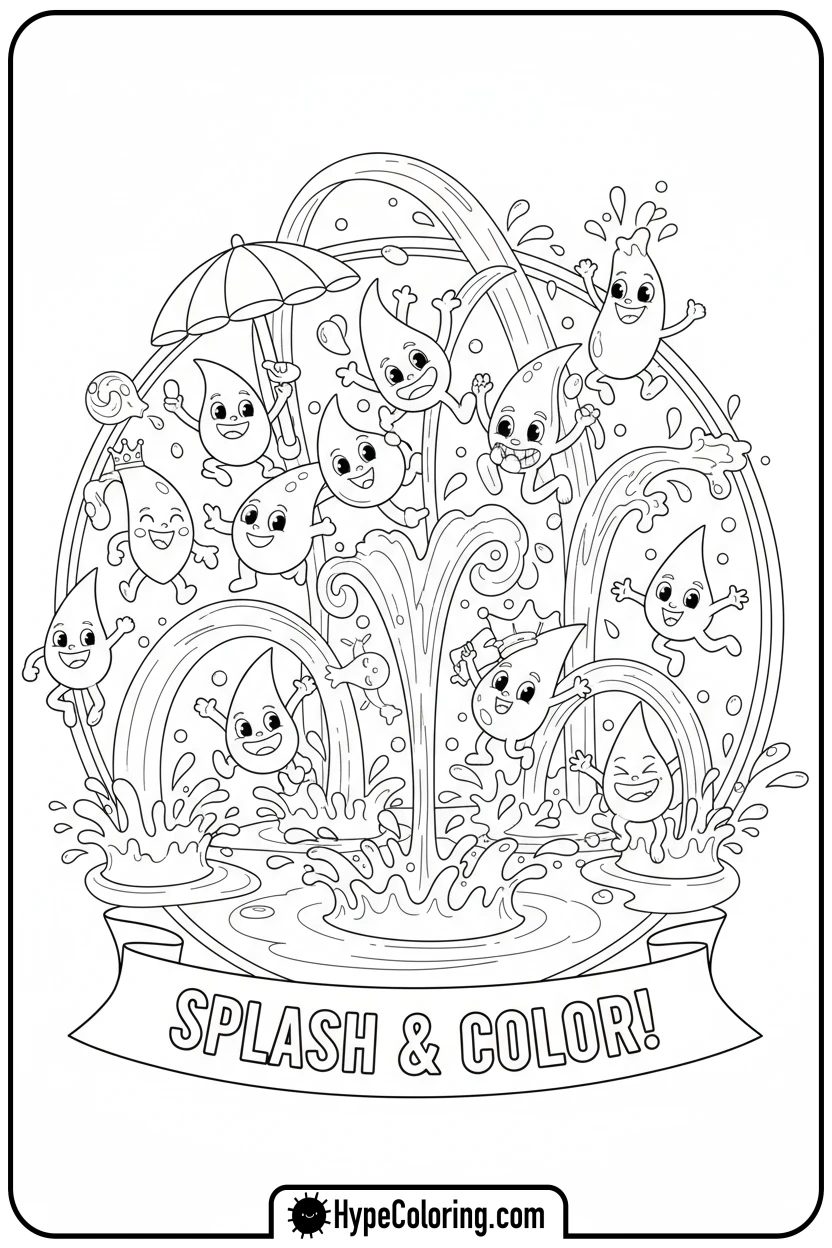
Table of Contents
The Cheerful Water Droplet
Water droplets are the fundamental units of rain, clouds, and all the water we see around us. A single cloud can contain millions of tiny water droplets. These minute particles are crucial for forming precipitation and maintaining Earth’s climate. Learn more about the amazing properties of water and its journey through the water cycle on the EPA WaterSense website.
For these cheerful characters, you’ll primarily need a range of blues: light sky blue, medium cerulean blue, and a touch of deep navy blue for shadows. Use a very light gray or even white for highlights to show the droplet’s spherical nature. For designs with rain, add touches of transparent light blue with a hint of purple.
When coloring with colored pencils, use smooth, circular motions to give the droplets a rounded, three-dimensional look. For designs featuring dancing or spinning droplets, like #3, let your strokes follow the implied movement. These delightful water coloring pages showcase the water droplet character in designs #1, #3, #4, #6, #7, #11, #13, #15, #16, #18, #19, and #20.
The Playful Ocean Wave
Ocean waves are primarily created by wind blowing over the surface of the water, transferring energy to it. The size and power of a wave depend on the wind’s speed, duration, and the distance over which it blows (fetch). Even small waves play a vital role in coastal erosion and sediment transport. You can discover more about how waves form and their impact on our oceans from NOAA’s National Ocean Service.
To capture the dynamic energy of an ocean wave, you’ll need vibrant blues and teals. Start with a base of turquoise or aqua for the main body, then add darker cobalt blue or indigo in the troughs and lighter foam-like streaks with white or very pale blue-green at the crests. The toy sailboat in design #2 can be bright red or yellow, standing out against the water.
When using crayons for the ocean waves, apply firm pressure with your base color, then layer lighter colors over the crests and darker shades in the shadows. For the foamy parts, use short, broken strokes of white or light blue. These dynamic water coloring pages feature the wave character in designs #2, #9, and #14.
Graceful Ice Skater
Ice, the solid form of water, is less dense than liquid water, which is why ice floats. This unique property is crucial for aquatic life, as it allows lakes and rivers to freeze from the top down, insulating the water below and preventing it from freezing solid. The intricate patterns of snowflakes are also a testament to water’s crystalline structure when frozen.
For the elegant ice skater in design #5, focus on cool, crisp colors. The ice itself should be rendered in various shades of very light blue, almost white, with hints of pale lavender or silver gray for depth and shine. The skater’s “skirt” of ice could have slightly darker, more defined edges to emphasize its flowing movement.
With markers, use smooth, even strokes for the frozen pond, allowing colors to blend slightly while wet for a seamless look. For the skater, use delicate, feathery strokes of light blue and white to suggest the flowing ice. You can add a subtle shimmer with a glitter marker if you have one. This unique design focusing on frozen water is found in design #5 of our water coloring pages collection.
Vibrant Underwater World
Coral reefs are often called the “rainforests of the sea” due to their incredible biodiversity. These underwater structures are built by tiny animals called polyps, which extract calcium carbonate from seawater to form their hard skeletons. Reefs provide habitat and food for countless marine species, including the friendly fish seen in design #8.
An underwater scene calls for a riot of color! The coral can be colored with brilliant pinks, oranges, reds, and purples. For the fish, choose bright, contrasting colors like sunny yellow, electric blue, and emerald green. The water itself should be a deep, rich aqua or teal, with lighter areas where sunlight filters through.
When coloring with colored pencils, build up the intensity of the coral colors with multiple layers, pressing harder for richer hues. Use fine tips for the details on the fish and coral. For the water, use a soft, broad application of teal, then add darker shadows beneath the coral and fish. You’ll explore this stunning scene in design #8 among our water coloring pages.
Serene Mist & Clouds
Clouds are visible masses of water droplets or ice crystals suspended in the atmosphere. They play a critical role in the Earth’s climate by reflecting sunlight and producing precipitation. Mist is essentially a cloud that forms at or near ground level, often seen over bodies of water as temperatures cool, creating a tranquil, ethereal atmosphere.
To capture the soft, ethereal quality of mist and clouds, use very light, translucent colors. For clouds, employ soft grays, pale blues, and plenty of white, allowing the paper to show through in places. The mist over the lake in design #10 should be a very faint, almost transparent gray-blue or lavender, blending seamlessly with the calm lake surface. The sky behind the cloud in design #6 can be a clear, bright sky blue.
For a gentle mist or cloud effect with crayons, use the side of a peeled crayon, applying very light pressure in soft, wispy strokes. You can blend white over light blue or gray for a truly cloud-like appearance. For the mirroring effect on the lake in design #17, use the same colors as the clouds above, but slightly muted or darker to suggest reflection. These tranquil water coloring pages feature mist and clouds in designs #6, #10, and #17.
Rainbow Thrills
Rainbows are meteorological phenomena caused by reflection, refraction, and dispersion of light in water droplets, resulting in a spectrum of light appearing in the sky. To see a rainbow, the sun must be behind you and rain must be in front of you. A full rainbow always shows the colors in the same order: red, orange, yellow, green, blue, indigo, and violet.
Coloring a rainbow requires a precise sequence of vibrant hues. Use bright red, clear orange, sunny yellow, vibrant green, sky blue, deep indigo, and rich violet. The sparkling water trail left by the droplet in design #12 can be a shimmering mix of pale blue, silver, and iridescent white.
When using markers for a rainbow, apply each color smoothly and precisely, ensuring clean lines between each band. To create the sparkling water effect, use a light blue marker as a base, then overlay with a silver or clear glitter marker if available. This exciting design is found in design #12 of our free coloring pages collection.
Water for Life
Water is fundamental for all known forms of life. Plants use water for photosynthesis, transporting nutrients, and maintaining their structure. Animals, including birds, need water for hydration, regulating body temperature, and many metabolic processes. Providing water to plants and animals, as depicted in designs #7, #11, and #19, is a direct way to support biodiversity and ecosystem health. Organizations like the WWF highlight the importance of fresh water for ecosystems globally.
For the sunflower in design #7, use bright yellow for petals, a deep brown or black for the center, and vibrant greens for the stem and leaves. The thirsty bird in design #11 can be colored with earthy browns and grays, with a touch of red or blue for contrast. For the houseplant in design #19, use various shades of rich green for the leaves and brown for the pot.
When coloring these scenes with colored pencils, use directional strokes to follow the texture of leaves and petals, adding depth with darker green veins. For the bird, use short, feathery strokes to mimic plumage. These water coloring pages emphasize the life-giving aspect of water in designs #7, #11, and #19.
Puddle Splashes & River Adventures
Puddles form when rainwater collects in depressions on the ground, creating temporary mini-ecosystems. Rivers, on the other hand, are natural flowing watercourses, usually freshwater, flowing towards an ocean, sea, lake, or another river. They are vital for transportation, irrigation, and supporting diverse aquatic and riparian habitats.
For the puddle splash in design #4, use a dark, murky blue-gray for the puddle itself, with bright, energetic splashes of light blue and white radiating outwards. The river in design #18 should be a flowing medium blue or green-blue, with ripples and currents indicated by lighter and darker shades. The leaf boat could be a vibrant spring green.
When using crayons for the puddle splash, press firmly for the puddle base, then use quick, flicking motions with lighter colors to create the dynamic splash effect. For the river, use long, smooth strokes following the direction of the current. You can add a touch of brown along the riverbanks. These adventurous water coloring pages are featured in designs #4 and #18.
Creative Activities with Your Water Coloring Pages
Once you’ve brought these water coloring pages to life with your chosen colors, the fun doesn’t have to stop!
- Water Cycle Storyboard: Cut out finished designs like the cloud, rain droplet, river, and ocean wave. Arrange them in a sequence on a large sheet of paper to visually represent the water cycle. Add arrows and labels to explain how water moves from one state to another. This is an excellent learning activity, complementing resources like HP Learning Hub’s educational content.
- “Water Hero” Puppet Show: Attach your colored droplet and wave characters to craft sticks. Create a simple backdrop of a blue paper sky or a green felt “earth.” Use your water heroes to act out scenes of helping plants, making splashes, or even performing a graceful ice dance.
Conclusion
We hope you enjoy these 20 unique water coloring pages, designed to inspire creativity and appreciation for this incredible element. Dive into the world of water and let your imagination flow with these free printable coloring sheets.